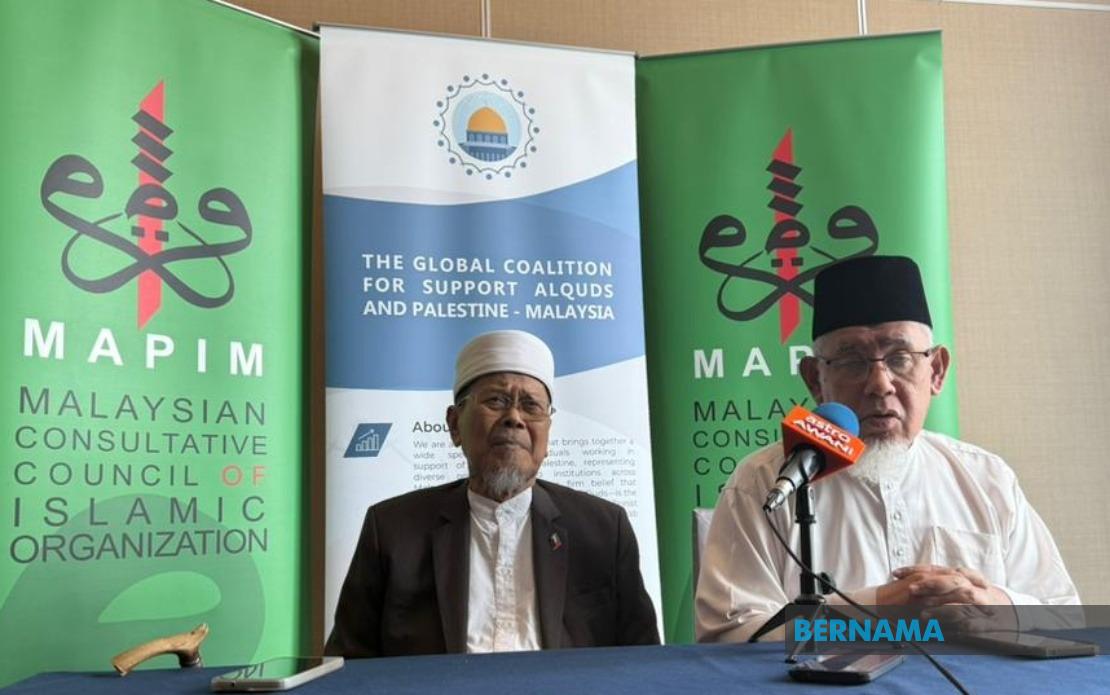
Malaysia's Malaysian Consultative Council of Islamic Organisations (MAPIM) is mobilising a humanitarian response to the devastation unfolding in Nepal following this month's catastrophic flash floods. The organisation announced plans to deploy an initial assessment team of four volunteers on September 5 to evaluate conditions on the ground and coordinate relief efforts in affected communities.
The disaster struck Nepal on August 26 when an avalanche-triggered flash flood tore through the Himalayan region with devastating force. The torrent of rocks, ice, mud and debris swept across mountainous terrain, destroying villages and critical infrastructure along a major trekking corridor that connects Kathmandu to Lhasa in Tibet. Official counts indicate at least 469 fatalities with more than 1,400 individuals reported missing, including approximately 540 foreign nationals caught in the disaster zone.
The scale of the tragedy has implications for Malaysia, where the Ministry of Foreign Affairs confirmed that 57 citizens remain unaccounted for as of late August. Families and employers of missing Malaysians have filed reports expressing concern about loved ones and colleagues who were in the region when the calamity occurred. This toll underscores the region's popularity among Malaysian trekkers and adventure tourists seeking experiences in the Himalayan range.
MAPIM president Mohd Azmi Abdul Hamid outlined the organisation's coordinated approach during a press conference in Ipoh. Prior to deploying the volunteer team, MAPIM had already established contact with the Embassy of Nepal to develop a preliminary understanding of conditions and identify critical gaps in assistance. This diplomatic groundwork reflects the importance of working through official channels to ensure relief operations complement rather than duplicate government and existing international efforts.
The initial volunteer contingent will perform a dual role, first surveying the extent of damage and humanitarian requirements across affected zones, and second establishing logistical frameworks for channelling aid efficiently to those in greatest need. Rather than operating in isolation, MAPIM has deliberately structured its response to incorporate broader Malaysian civil society. The organisation is actively recruiting participation from other domestic non-governmental organisations and has formed a partnership with MyCare, a well-established Malaysian humanitarian entity, alongside two locally-based Nepalese NGOs that possess on-ground expertise and community relationships.
According to Mohd Azmi, immediate priorities identified for relief assistance centre on medical supplies to treat the injured and prevent disease outbreaks typical following such disasters. The second critical requirement involves distributing basic food packages to displaced persons and survivors lacking access to sustenance. These priorities align with international humanitarian standards for post-disaster intervention and reflect assessment of what communities desperately require during the acute emergency phase.
The collaborative framework MAPIM has assembled represents a significant strengthening of Malaysia's disaster response capability. By pairing international humanitarian organisations with local Nepalese NGOs, the mission maximises cultural competency and operational efficiency. Local partner organisations understand community structures, language barriers, and culturally-appropriate assistance methods, while international partners like MyCare bring technical expertise and logistical resources that accelerate relief delivery. This model has proven effective in other regional emergencies and offers lessons for how Southeast Asian nations can coordinate cross-border humanitarian action.
The decision to proceed with a targeted deployment rather than ad-hoc individual contributions reflects institutional maturity in Malaysia's humanitarian sector. MAPIM's structured approach—first establishing diplomatic liaison, then conducting needs assessment, then coordinating with multiple partners—follows best practices that minimise duplication of effort and ensure resources reach those in greatest need rather than creating additional burdens on overwhelmed local authorities.
Mohd Azmi indicated that formal details concerning the special mission would soon be submitted to Prime Minister Datuk Seri Anwar Ibrahim, signalling government-level coordination of Malaysia's official response alongside civil society initiatives. This integration of governmental and non-governmental channels creates multiple pathways through which Malaysian solidarity can translate into tangible assistance for Nepal's disaster survivors.
The MAPIM initiative carries symbolic weight extending beyond immediate relief operations. At a moment when geopolitical tensions and religious divisions sometimes dominate regional discourse, Malaysian Muslim organisations mobilising resources to assist Nepal—a predominantly Hindu nation—demonstrates the potential for humanitarian imperatives to transcend sectarian considerations. This visible expression of Malaysian concern may strengthen bilateral ties and regional cohesion during a period when communities depend on international support for survival and recovery.
For Malaysians with connections to Nepal or broader interest in the region, MAPIM's mission represents a channel through which domestic generosity can contribute meaningfully to relief efforts. The organisation's transparency regarding priorities and partnerships enables individuals and companies to coordinate independent contributions or provide direct support to the deployment, multiplying the impact of collective Malaysian compassion during Nepal's darkest hour.

