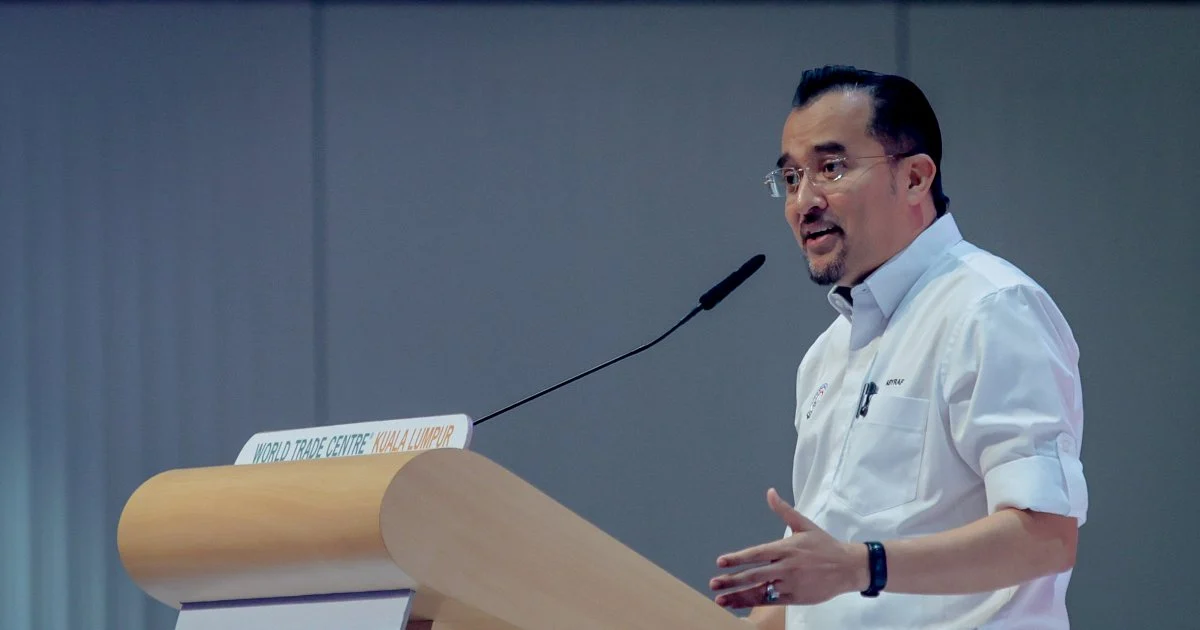
Mara has launched a formal inquiry into reports of bullying occurring within Mara Raj Sekolah Menengah (MRSM) institutions across the country, signalling an escalated institutional response to what appears to be a recurring disciplinary challenge within the elite residential school system. The organisation's decision to initiate a structured investigation suggests that allegations of student-on-student harassment have reached a threshold demanding formal oversight and corrective action.
The scope of Mara's examination extends across multiple MRSM campuses, indicating that bullying complaints are not isolated to any single location but rather represent a systemic concern warranting national-level scrutiny. This comprehensive approach reflects growing pressure on educational administrators to address toxic peer dynamics that can significantly undermine the learning environment and student wellbeing at boarding institutions. By casting its net widely, Mara appears committed to developing unified protocols for identifying, investigating, and punishing bullying behaviour across all facilities under its purview.
Central to Mara's response is an explicit warning that students found culpable of bullying face expulsion from their respective institutions. This disciplinary threshold represents a significant escalation in consequences, positioning bullying not merely as a behavioural infraction subject to detention or suspension, but as a serious breach of school conduct codes. The severity of this penalty underscores institutional recognition that bullying can cause profound psychological harm to victims and corrodes the communal trust essential for healthy residential school operations.
The MRSM system, which enrolls high-performing students across Malaysia, has historically maintained a reputation for academic rigour and character development. However, residential schools by their nature concentrate large cohorts of adolescents in enclosed environments where peer hierarchies can become pronounced and power imbalances easily exploited. Bullying in such settings often goes undetected by staff, as perpetrators exploit the relative privacy of dormitories and leisure spaces away from direct adult supervision. Mara's investigation represents an acknowledgment that this vulnerability exists within their institutions.
For Malaysian parents who have enrolled children in MRSM schools with expectations of safe, nurturing environments, the disclosure of bullying allegations and subsequent investigation may trigger both reassurance and concern. Reassurance stems from the demonstrable institutional response and stated commitment to accountability. Concern arises from the mere fact that such allegations exist at facilities commanding premium reputations and substantial tuition investment. This dynamic mirrors broader global conversations about safeguarding in elite educational institutions, where reputation and operational autonomy have sometimes allowed misconduct to persist unchecked.
The investigation's timing and intensity likely reflect cumulative complaints or specific incidents that triggered formal action. Social media and increased student activism regarding school experiences mean that bullying cases that might have remained concealed in previous decades now surface publicly, forcing institutional responses. Mara's proactive stance, therefore, may partly represent strategic reputation management alongside genuine commitment to student protection. Both motives, however, serve the same outcome: enhanced accountability and clearer consequences for harmful behaviour.
Expulsion as a consequence carries significant implications for affected students, whose academic records and tertiary education prospects could be damaged by dismissal from a prestigious institution. This severity may deter potential bullies through fear of career consequences, but it also raises questions about proportionality and rehabilitation. Whether Mara's framework includes graduated responses for less severe cases, or whether expulsion applies uniformly regardless of bullying severity or circumstances, remains unclear from the current announcement. Effective institutional disciplinary systems typically incorporate multiple penalty tiers reflecting the seriousness and context of infractions.
The investigation's outcomes will likely inform revised anti-bullying policies, staff training protocols, and monitoring mechanisms across MRSM facilities. Administrators may implement increased dormitory supervision, peer mentoring programmes, reporting hotlines, and counselling services designed to both prevent bullying initiation and support victims. These structural changes would represent the tangible institutional reform expected to follow from any serious investigation into school misconduct.
For the broader Malaysian education sector, Mara's investigation and enforcement posture may establish precedent pressuring other institutions toward comparable transparency and accountability. Elite schools nationwide face implicit expectations to match or exceed standards demonstrated by leading peers. If MRSM's investigation yields substantive findings and resulting reforms, other premier institutions may face reputational pressure to conduct similar assessments and implement comparable safeguarding enhancements. This cascading effect could drive meaningful improvements in student safety across the country's most competitive academic environments.
The investigation ultimately reflects evolving standards regarding institutional duty of care toward students in residential settings. Mara's explicit warning of expulsion signals that the organisation has determined bullying incompatible with MRSM's educational mission and values. Whether this deterrent proves effective, and whether institutional reforms address root causes rather than merely punishing individual perpetrators, will shape outcomes for current and future students within Malaysia's residential school network.

