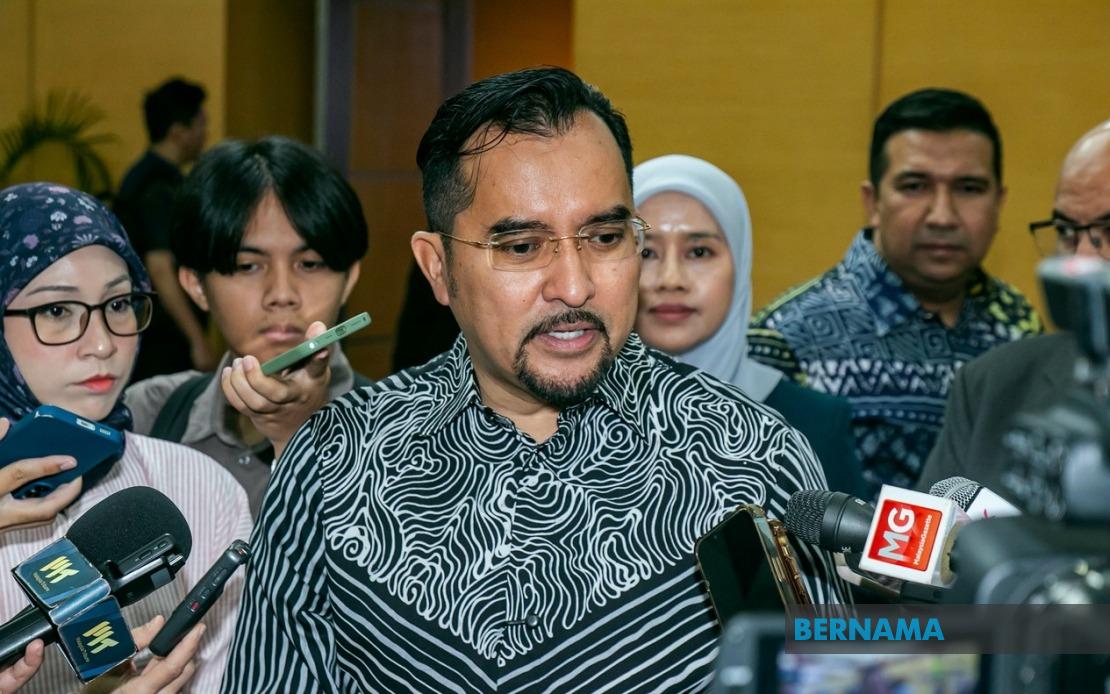
The Majlis Amanah Rakyat (MARA) has initiated a comprehensive review of standard operating procedures governing student outings at its Mara Junior Science Colleges (MRSM) chain in response to last month's disappearance of two Form Four girls. Datuk Dr Asyraf Wajdi Dusuki, MARA's chairman, acknowledged the incident as a catalyst for procedural examination while carefully framing the event as isolated in nature, a distinction he emphasised would inform the scope and intensity of any resulting policy adjustments.
The two 16-year-old students vanished from MRSM Alor Gajah in Melaka on August 11 after leaving a health clinic visit. Their disappearance triggered a four-day search operation that concluded when they were discovered near Pasar Seni in Kuala Lumpur in a distressed state. One of the girls experienced a panic attack following her rescue and required hospital treatment for shock, underscoring the psychological toll of the incident on both the students and their families.
Dr Asyraf Wajdi's measured approach reflects institutional concern about balancing duty of care with the developmental needs of boarding school students. He contended that MRSM students require meaningful opportunities to develop maturity and independence, arguing that completely restricting outdoor activities would undermine longstanding educational philosophy. The colleges have historically permitted students to venture into town approximately once or twice monthly under specified conditions, a practice that has apparently operated without significant incident prior to this case.
The chairman's comments, delivered after a 2026 pre-departure programme for MARA-sponsored students, signal that any policy revision would likely target refinement rather than fundamental overhaul. He specifically cautioned against using this single incident as justification for sweeping restrictions that could disrupt established activities and programmes that "have been running well" across the MRSM network. This framing suggests MARA's leadership remains confident in existing safeguards while acknowledging room for improvement.
Critically, Dr Asyraf Wajdi stressed the importance of allowing police and institutional investigators adequate space and time to complete their investigation before drawing conclusions about causation or determining what preventative measures would prove most effective. This procedural restraint recognises that premature policy changes risk being poorly calibrated to the actual circumstances that enabled the disappearance. MARA has already engaged with police in Alor Gajah, though investigation findings remain confidential pending completion of the inquiry.
The disappearance raises complex questions about student supervision in boarding environments, particularly regarding the balance between autonomy and security. MRSM institutions serve academically gifted students from across Malaysia, many far from home, making the pastoral duty of care both more demanding and more sensitive than in day schools. The incident highlights tensions inherent in preparing teenagers for independence while maintaining reasonable protective oversight.
For parents and policymakers, the case underscores the need for transparent communication about the actual circumstances of the disappearance, the students' condition and welfare, and evidence-based responses. Public confidence in MRSM depends partly on understanding why two Form Four students were able to leave a medical facility without proper safeguards and travel to Kuala Lumpur undetected. Whether this represents a breakdown in specific protocols or a broader systemic vulnerability remains unclear pending the police investigation.
The timing of the review process matters significantly for Malaysian boarding school policy more broadly. With MARA overseeing multiple MRSM campuses nationwide, any procedural changes will likely influence practices across the network and potentially inform best practices at other government and private boarding institutions. This incident may prompt wider sectoral reflection on outing policies, emergency communication procedures, and student welfare monitoring across Malaysia's boarding school landscape.
Dr Asyraf Wajdi's emphasis on avoiding overreaction suggests MARA believes the underlying problem relates to specific procedural gaps rather than fundamental inadequacy of the outing programme itself. Whether this assessment proves correct depends significantly on investigative findings regarding how the students departed and what specific circumstances facilitated their journey to Kuala Lumpur. If the incident resulted from minor procedural deviation rather than systemic failure, measured refinement may suffice. Conversely, if investigation reveals more serious lapses in communication, supervision, or emergency protocols, more substantial restructuring could prove necessary.
The challenge for MARA involves preserving the educational value of student autonomy while implementing safeguards sufficient to prevent recurrence. This may involve enhanced check-in procedures, clearer communication protocols with parents, improved coordination with off-campus facilities where students receive treatment, or better documentation of student whereabouts during approved outings. Any effective solution will likely combine structural adjustments with clearer guidance for students and staff about permissible activities and expected accountability.
As the investigation proceeds and MARA commences its procedural review, Malaysian parents of MRSM students will closely monitor both the findings and institutional response. The case has already prompted conversations among boarding school communities about student safety and the appropriate scope of supervised independence. How MARA calibrates its response—neither dismissing legitimate safety concerns nor implementing restrictions that undermine developmental objectives—will significantly influence confidence in Malaysia's premier government boarding science colleges and serve as a reference point for institutional crisis response across the sector.

