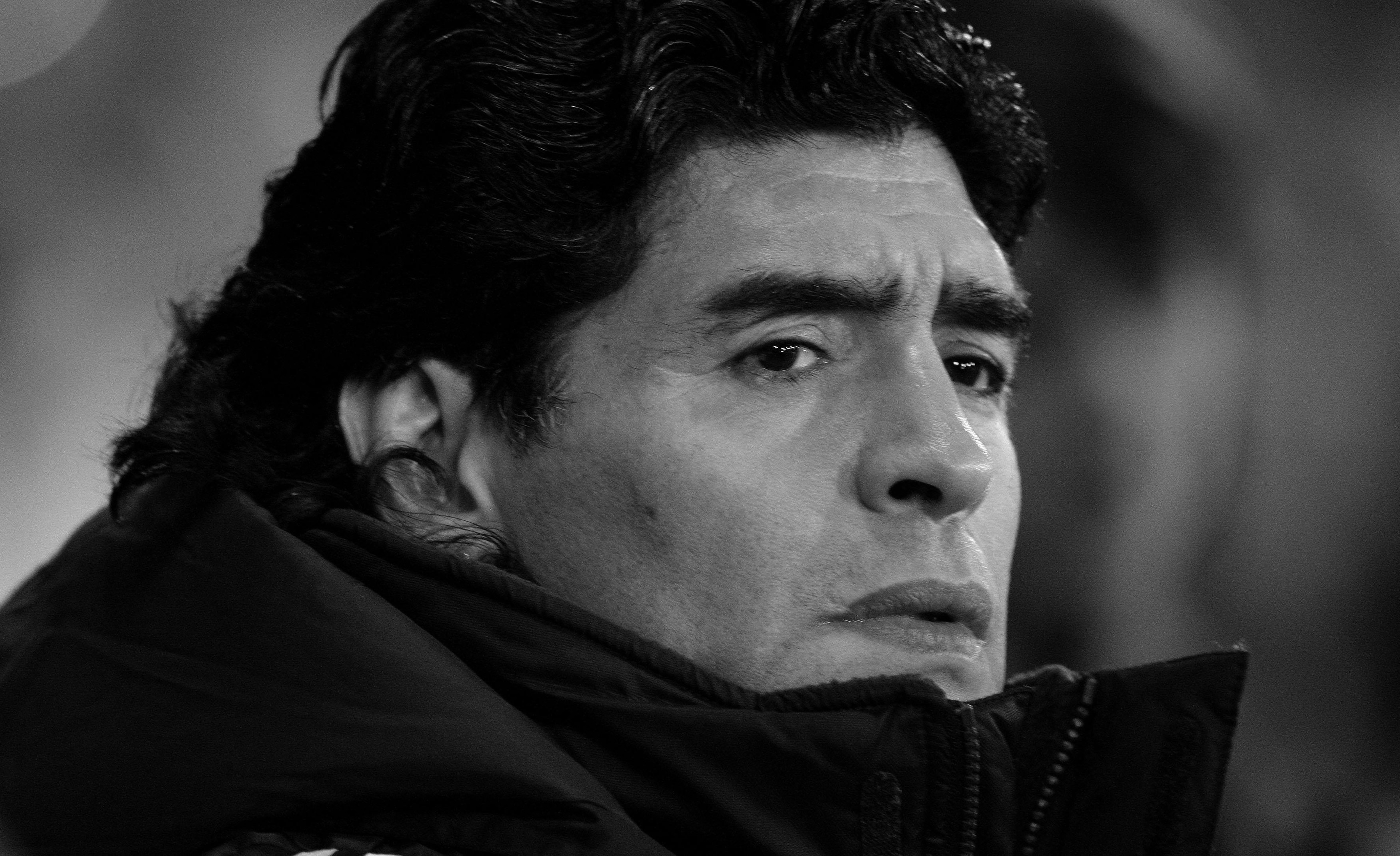
The ongoing legal proceedings examining the circumstances surrounding Diego Maradona's death have been derailed by a significant administrative error involving critical medical documentation. According to reports monitored by German news agencies, kidney test results that should have belonged to Maradona's father were incorrectly attributed to the legendary Argentine footballer, forcing the court to suspend hearings for one week while officials attempt to locate and verify the correct medical records.
Maradona, widely regarded as one of football's greatest players and the mastermind behind Argentina's 1986 World Cup triumph, collapsed at his Buenos Aires residence on November 25, 2020, succumbing to a heart attack at age 60. The circumstances of his final days have become the subject of intense judicial scrutiny, with prosecutors constructing a case that suggests negligence and mismanagement in his medical care contributed to his death. His father, also named Diego, had passed away in 2015, adding another layer of confusion to the documentation that emerged during trial proceedings.
The seven individuals facing manslaughter charges represent a cross-section of those responsible for Maradona's care during his final weeks. Leopoldo Luque, who served as Maradona's personal physician, faces the most direct allegations. Psychiatrist Agustina Cosachov provided mental health treatment, while a psychologist, an additional physician, a health insurer's medical coordinator, and two live-in caregivers round out the defendant list. Each has categorically denied the charges, maintaining that their actions were appropriate and professional. Investigators, however, have identified what they characterise as serious lapses in the at-home medical supervision provided to the ailing footballer.
Shortly before his death, Maradona underwent brain surgery—a procedure that would have required careful post-operative monitoring and management. The prosecution has focused heavily on whether the at-home care regime met appropriate medical standards following this intervention. The theory underpinning the case suggests that compound errors in judgment and care coordination, rather than a single catastrophic mistake, created conditions that precipitated his fatal cardiac event.
This trial represents a second attempt to seek justice through the Argentine legal system. An earlier proceeding was invalidated in May of the previous year after lasting only three weeks, undermining confidence in the judicial process's ability to handle the case competently. The collapse of that first trial stemmed from an extraordinary ethical breach: one member of the three-judge panel had been suspended after her participation in an unauthorised documentary film about the very case she was adjudicating became public knowledge. Such compromises of judicial impartiality strike at the heart of legal legitimacy and public confidence in courts.
The documentation error discovered during this second iteration of the trial raises troubling questions about evidence management and institutional procedures within the Argentine court system. Mixing up medical records belonging to deceased relatives represents a fundamental failure of archival and administrative oversight—precisely the kind of procedural vulnerability that can undermine otherwise meritorious prosecutions. For observers in Southeast Asia, particularly in Malaysia where medical negligence cases periodically surface, the episode underscores the importance of rigorous documentation protocols in complex litigation involving health matters.
The implications of this trial extend well beyond the courtroom. Maradona's iconic status means that how his death is investigated and adjudicated carries symbolic weight in Argentina and globally. The football world has watched closely as the case has progressed fitfully through the system. For the medical profession, the trial essentially tests whether healthcare providers who work with high-profile patients face heightened accountability or identical standards to those treating ordinary citizens.
The decision to seize all medical records for comprehensive verification indicates judicial awareness of how severely the credibility of the proceedings has been damaged. By taking custody of documentation, the court attempts to establish a clear evidentiary foundation moving forward. Yet the week-long suspension, while necessary for administrative correction, extends the uncertainty facing the defendants, who have now endured multiple false starts in their quest for final adjudication.
What remains unresolved is whether the fundamental questions about Maradona's care will receive thorough judicial examination before a properly constituted and ethically sound tribunal. The families of both Maradona and his deceased father deserve clarity about whose medical records were actually under discussion. The defendants merit a proceeding untainted by procedural failures. And the Argentine public, which collectively grieves the loss of a national treasure, requires confidence that their legal system can competently address matters of this gravity. The administrative blunder discovered this week, while ultimately correctable, exemplifies the institutional challenges that have plagued this case from inception.

