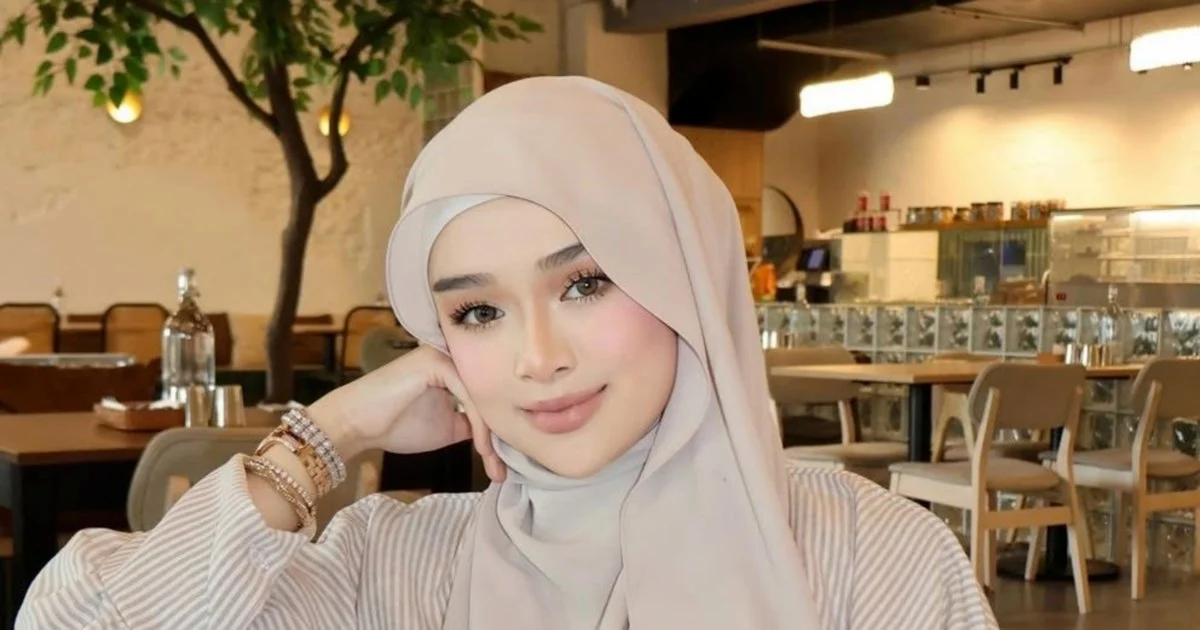
Social media personality Marissa Dania has come forward to refute allegations circulating online that she has deliberately distanced herself from her mother, Abby Abadi, while reportedly prioritising relationships with her father, Norman Hakim, and his wife, Memey Suhaiza. The clarification marks another chapter in the complex family dynamics that have periodically drawn public attention in Malaysian entertainment circles, where fans and observers often scrutinise the personal relationships of prominent content creators and their families.
The accusations, which emerged through social media discussions and online forums frequented by followers of the influencer community, suggested that Marissa Dania's public-facing interactions and content collaborations favoured one side of her blended family over the other. Such allegations have become increasingly common in the digital age, where the visibility of celebrity and influencer families invites constant interpretation and analysis of their social media presence, with followers drawing conclusions based on posting frequency, tagged appearances, and collaborative projects.
Marissa Dania's response emphasises the importance of exercising caution before forming definitive opinions based on limited information. She has requested that the public refrain from jumping to conclusions without understanding the full context of her family relationships and personal circumstances. This appeal reflects a growing frustration among public figures regarding the speculative nature of social media discourse, where fragmentary evidence and selective observation can quickly transform into widespread assumptions about private matters.
The situation underscores broader tensions between the curated nature of social media presentation and public perception. Influencers and content creators frequently face scrutiny regarding how they represent their families and loved ones online, with the assumption that the digital space accurately reflects real-world relationships and priorities. However, the reality often proves far more nuanced, with many personal dynamics remaining deliberately private despite the public-facing careers of family members.
For Malaysian audiences particularly, the matter resonates within cultural contexts where family bonds carry significant weight, and public perception of family relationships carries social implications. The nature of blended families—where biological parents and stepparents coexist—introduces additional layers of complexity, as individuals navigate expectations about equal affection, representation, and involvement across multiple relationships. The assumption that reduced public visibility necessarily indicates diminished personal connection represents a common misinterpretation of how modern families, especially those within the public eye, manage their private affairs.
Marissa Dania's statement appears designed to address concerns among her fanbase while also setting boundaries around what aspects of her family life remain open for public discussion and judgment. This diplomatic approach balances transparency with privacy, acknowledging the legitimate interest her audience holds while firmly rejecting the notion that social media behaviour constitutes definitive evidence of familial standing or personal relationships.
The incident reflects a pattern increasingly visible in Southeast Asian entertainment and influencer spheres, where family-related controversy often originates not from direct conflict but from the interpretive gap between public presentation and private reality. Content creators must constantly negotiate the tension between sharing enough to maintain audience engagement and connection while protecting the privacy and dignity of family members who may not have chosen public life themselves.
Within Malaysia's entertainment ecosystem, where family involvement in careers has become increasingly common, such clarifications serve an important function. They highlight the necessity for media literacy among audiences, encouraging followers to question assumptions and resist narrative-building based solely on social media observation. The tendency to construct elaborate theories about celebrity and influencer family dynamics, while entertaining, can contribute to uncomfortable pressure on families and perpetuate misunderstandings that take considerable effort to correct.
Marissa Dania's public statement also carries broader implications for how social media culture shapes our understanding of modern family structures. In an era where blended families have become commonplace, and where digital presence often misrepresents the depth and nature of personal relationships, public figures increasingly find themselves defending against assumptions rooted in incomplete information. Her appeal for judiciousness and restraint offers a useful reminder that the distance visible in online spaces does not necessarily correlate with distance in lived experience, and that maintaining healthy family relationships sometimes requires boundaries that manifest as reduced public visibility rather than actual disconnection.

