Financial markets are showing no signs of taking a summer break. Even as August typically ushers in quieter trading periods, the coming weeks promise significant developments across currencies, geopolitics, and economic indicators that will reverberate through Asia-Pacific economies and beyond. From Japan's struggle with a weakening yen to emerging diplomacy over the critical Strait of Hormuz, and from US inflation data that could reshape Federal Reserve expectations to central bank decisions across three continents, investors face a crowded agenda that demands constant vigilance.
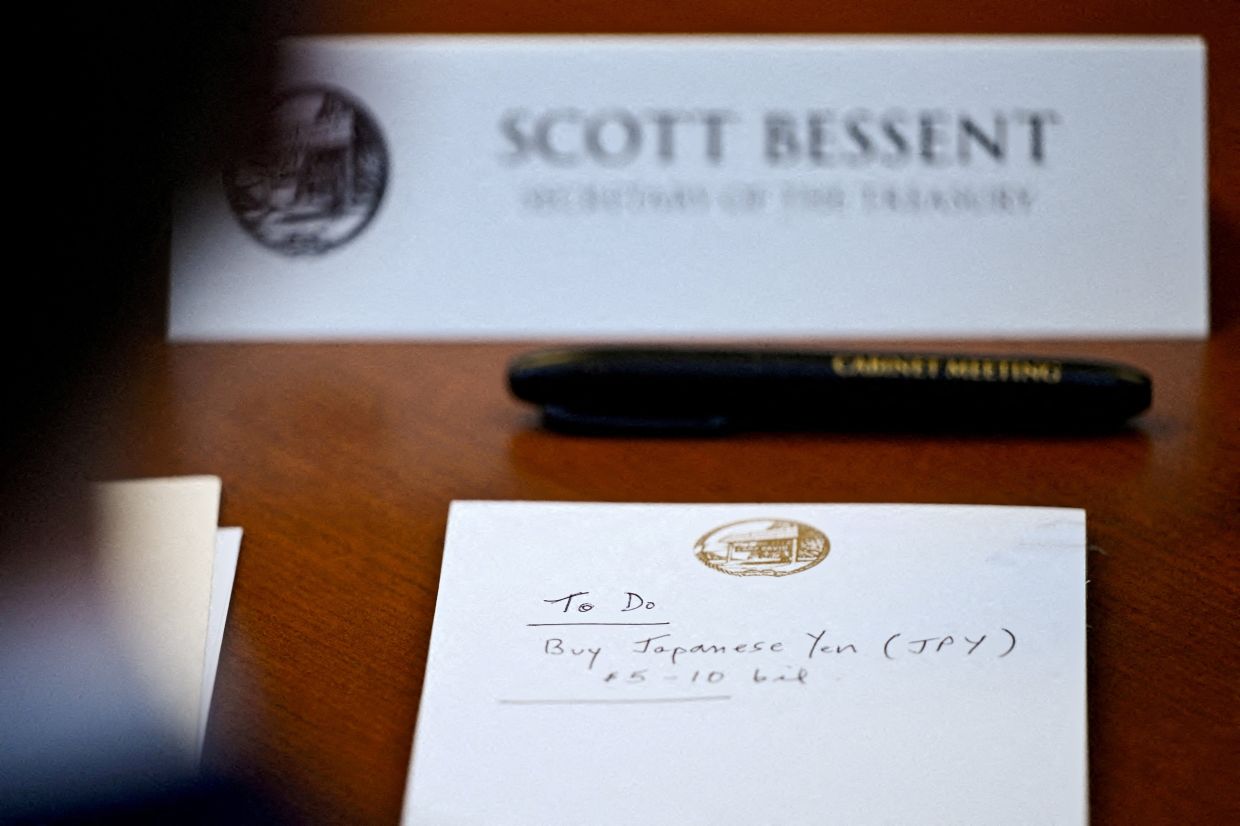
Japan's currency crisis stands as the most immediate concern for policymakers and traders alike. The yen has plummeted to levels unseen in four decades, a development that transforms the economic landscape for an import-dependent nation already grappling with energy security challenges. When a currency weakens dramatically during an energy shock, the consequences ripple through consumer prices and corporate balance sheets with devastating speed. The recent involvement of US Treasury Secretary Scott Bessent, whose leaked to-do list specifically mentioned yen purchases, followed by an unusual joint intervention between Washington and Tokyo, signals how seriously both governments view the situation. This coordinated action represents a rare moment of agreement on currency management between the world's largest and third-largest economies.
However, the currency market's response raises more questions than it answers. Foreign exchange traders are now scrutinizing whether Japan's central bank will signal an imminent rate hike in September, a move that would reinforce the yen's recovery by making the currency more attractive to investors seeking higher returns. Minutes from the Bank of Japan's July meeting, released on Monday, provided ammunition for rate-hike advocates, strengthening expectations of tighter policy ahead. Simultaneously, observers are wrestling with a curious detail from the US intervention strategy: the decision to use euros rather than dollars to support the yen. Some analysts interpret this choice as a deliberate signal from the US Treasury that it wishes to avoid straining bond markets through the sale of American government securities by foreign central banks to finance currency operations. This subtlety speaks to deeper anxieties about the dollar's long-term status as the world's reserve currency, a debate that extends far beyond currency traders and directly affects how central banks worldwide manage their reserves.
In the Middle East, tentative negotiations between Iran and Oman offer a potential pathway toward stabilising one of the world's most critical shipping corridors. The Strait of Hormuz remains an essential chokepoint through which a significant portion of global oil exports flow, and any disruption sends shockwaves through energy markets and inflation expectations worldwide. What distinguishes these talks is their exclusion of direct American involvement or explicit endorsement, creating both diplomatic space and considerable uncertainty. With the conflict in Yemen entering its 24th week, the track record of sustainable agreements remains poor. Iran-backed Houthi militias continue to attack shipping in the Red Sea, another vital export route, demonstrating their capacity and willingness to disrupt commerce despite international condemnation. Investors, however, appear willing to embrace optimism about potential productivity gains from artificial intelligence and continued earnings growth, suggesting that even a temporary diplomatic fudge might suffice to calm market nerves in the short term.
The calculus changes significantly when viewed through the American political lens. With midterm elections approaching in less than five months, incumbent policymakers face mounting pressure to demonstrate progress on energy security and inflation control. Petrol prices remain stubbornly above $4 per gallon across the United States, a persistent thorn in the side of any government hoping to improve its standing with voters. While inflation has moderated from its peaks, it continues to exceed the Federal Reserve's 2% target and remains a source of genuine public concern. Any diplomatic breakthrough that reduces energy price pressures could provide valuable relief heading toward the election, making the Iran-Oman talks strategically attractive regardless of their ultimate durability.
US inflation data arriving on Wednesday carries the potential to create genuine difficulties for the Federal Reserve's policy committee. A higher-than-expected consumer price index would collide awkwardly with last week's revelation of unexpected job losses in July, creating a policy dilemma that economists label stagflation risks. Until recently, the Fed faced mounting pressure from market participants and some officials to raise interest rates; three policymakers actually dissented in favour of a rate increase at the previous meeting. Reuters polling of economists suggests that the July consumer price index will rise 3.4 percent year on year, while core inflation, which strips out volatile food and energy components, is expected to increase 2.5 percent annually. Producer price data released a day later will round out the inflation picture, allowing policymakers to assess whether earlier months' softer readings represented a genuine trend or merely temporary respite. Current market pricing suggests roughly a 40 percent probability of a rate increase at September's Federal Reserve meeting, though this week's economic releases could substantially shift those expectations.
Australia's Reserve Bank will confront similar analytical challenges on Tuesday, though from a different starting position. After delivering three rate increases this year, the central bank must now assess whether its tightening cycle has sufficiently restrained inflation. Recent data indicating slower consumer price growth in the June quarter provides some encouragement, yet RBA Governor Michele Bullock has maintained public signalling that further increases remain possible if inflation proves stubborn. Market analysts detect a persistent hawkish tone from the board, suggesting that policymakers remain prepared to tighten further rather than declare victory prematurely. This measured approach reflects the genuine difficulty of judging whether current inflation reflects passing supply shocks or more durable shifts in the price-setting behaviour of businesses and workers.
Norwegian and British central banks face their own decisions this week. Norway's Norges Bank meets on Thursday with expectations for steady policy rates, occurring in an environment where core inflation has decelerated. Britain's new Prime Minister, who took office in July, awaits second-quarter GDP data also due Thursday, alongside both monthly and quarterly assessments that will shape expectations for economic growth heading into autumn. June retail sales surprised on the upside, buoyed by consumer spending connected to sporting events and unusually warm weather, suggesting that British consumers have retained some spending appetite despite high interest rates. However, the quarterly figures likely reflect a less encouraging trajectory, as the strong momentum of early 2024 dissipated during April and May. An updated estimate of eurozone growth will also arrive Thursday, following preliminary data that exceeded forecasts for the second quarter, potentially providing a template for what the British economy might achieve.
For Malaysian and Southeast Asian observers, these developments carry substantial implications. Currency volatility stemming from Japanese yen weakness and US monetary policy adjustments directly affects regional export competitiveness and borrowing costs for companies with dollar-denominated debt. Energy price stability dependent on Middle Eastern geopolitics influences inflation pressures across the region, where fuel costs feed rapidly into transportation, manufacturing, and consumer prices. Central bank decisions made in Tokyo, Washington, Sydney, and elsewhere establish the benchmark interest rates that guide regional monetary policy, creating transmission channels through which global financial conditions reshape credit conditions and investment opportunities throughout Southeast Asia. The coming week's data releases and policy decisions will provide crucial signposts for how global financial conditions are likely to evolve through the remainder of the year, making attentive observation essential for policymakers, investors, and businesses throughout the region.

