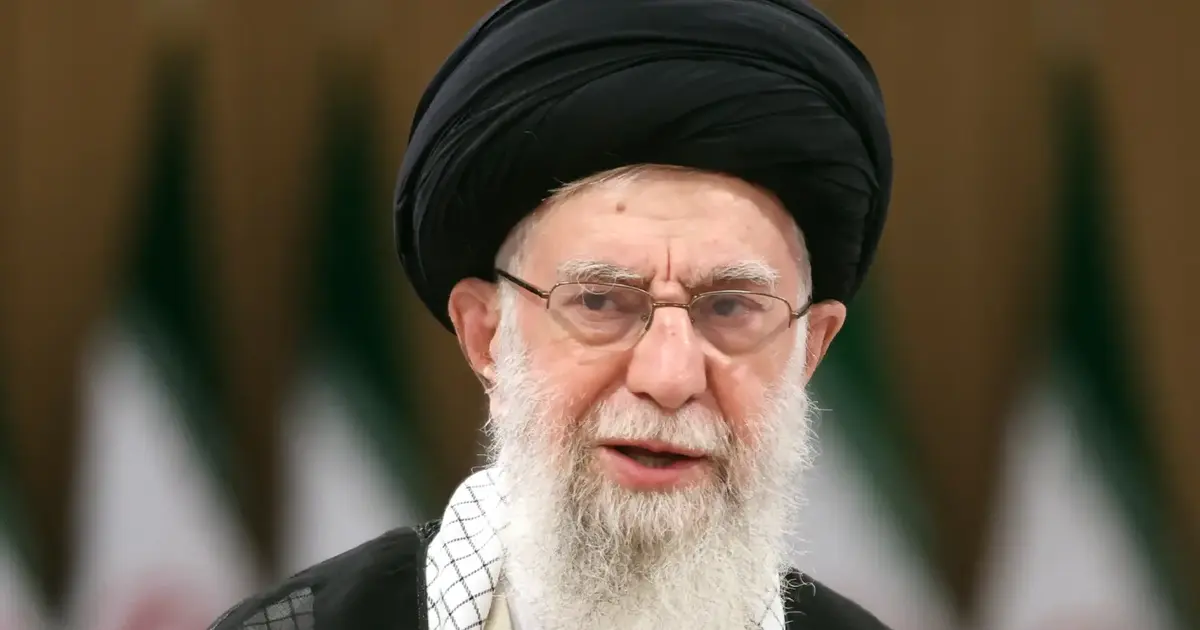
Malaysia will be represented by Agriculture and Food Security Minister Mohamad Sabu at the funeral of Iran's Supreme Leader Ayatollah Ali Khamenei in Tehran tomorrow, according to Prime Minister Anwar Ibrahim. The appointment underscores Malaysia's diplomatic engagement with Iran and reflects the significance Kuala Lumpur places on maintaining relations with the Islamic Republic at a critical juncture in regional and international affairs.
The selection of Mohamad Sabu, popularly known as Mat Sabu, carries symbolic weight beyond a mere ceremonial presence. As a senior cabinet member overseeing agriculture and food security—sectors vital to Malaysia's domestic priorities—his attendance signals that bilateral relations encompass economic and developmental dimensions alongside traditional diplomatic courtesy. Iran, despite international sanctions, remains a significant trading partner for Malaysia and a fellow Muslim-majority nation with whom Malaysia shares strategic interests in regional stability.
Khamenei's passing marks the end of an era in Iranian leadership spanning four decades. As Supreme Leader since 1989, he wielded enormous influence over Iran's domestic and foreign policies, making his funeral a gathering of international significance. Countries sending high-level delegations to Tehran will be signalling their commitment to maintaining relations with Iran's transitional government and any successor leadership. Malaysia's decision to dispatch a cabinet-level representative places it among nations taking the event seriously from a diplomatic standpoint.
The timing of this representation is notable given Malaysia's broader foreign policy positioning. Under Anwar Ibrahim's administration, Malaysia has sought to balance relationships across diverse geopolitical interests—maintaining ties with the United States and Western allies while preserving important connections within the Islamic world and the Global South. By attending Khamenei's funeral through a senior minister, Malaysia demonstrates its commitment to non-aligned principles and its respect for Iran's sovereignty and religious traditions.
MatSabu's portfolio as agriculture minister also suggests potential avenues for Malaysia-Iran collaboration that transcend political symbolism. Both nations face food security challenges and could benefit from knowledge-sharing on agricultural innovation, supply chain resilience, and climate adaptation strategies. His attendance may create informal diplomatic opportunities to discuss trade relations, agricultural expertise exchange, and regional cooperation on food production amid global supply chain disruptions.
The funeral of such a prominent regional figure typically draws delegations from across the Muslim world, neighbouring countries, and nations with strategic interests in the Middle East. Malaysia's participation places it within a broader international context where the funeral serves as an informal summit of sorts, allowing bilateral discussions and multilateral networking at the margins of the formal ceremony. Mat Sabu may use the occasion to engage with counterparts from other nations, reinforcing Malaysia's voice in regional affairs.
For Malaysia's domestic audience, the government's decision reflects respect for Iran's Islamic governance system and acknowledgment of Malaysia's own Islamic identity. While Malaysia maintains democratic institutions and constitutional frameworks distinct from Iran's theocratic system, religious and cultural solidarity within the Muslim ummah remains an important element of Malaysian statecraft. The gesture of sending a senior minister acknowledges this shared identity without implying political endorsement of specific Iranian policies.
Iran has historically been an important player in Southeast Asian regional dynamics, particularly through its engagement with maritime security issues, the Persian Gulf's energy significance, and broader Middle Eastern geopolitical competitions. Malaysia's representation at Khamenei's funeral allows the country to maintain its profile as an active participant in international affairs while demonstrating that Southeast Asian nations cannot be ignored in discussions affecting global stability. This is particularly relevant as great powers compete for influence throughout Asia.
The funeral also comes at a moment when Iran faces significant uncertainties regarding its future direction under new leadership. Malaysia's diplomatic presence signals continuity in bilateral relations and openness to engaging with whatever leadership configuration emerges post-succession. This pragmatic approach has characterised Malaysian diplomacy historically—adapting to change while maintaining consistent national interests regardless of which individuals or factions hold power in partner nations.
Mat Sabu's attendance, while primarily ceremonial in nature, carries implications for how Malaysia positions itself in an increasingly multipolar world where relationships with non-Western powers have become more strategically significant. The decision reflects Malaysia's conviction that engaging across diverse international partnerships—from Western democracies to Islamic republics—serves national interests better than alignment with any single bloc or ideology.

