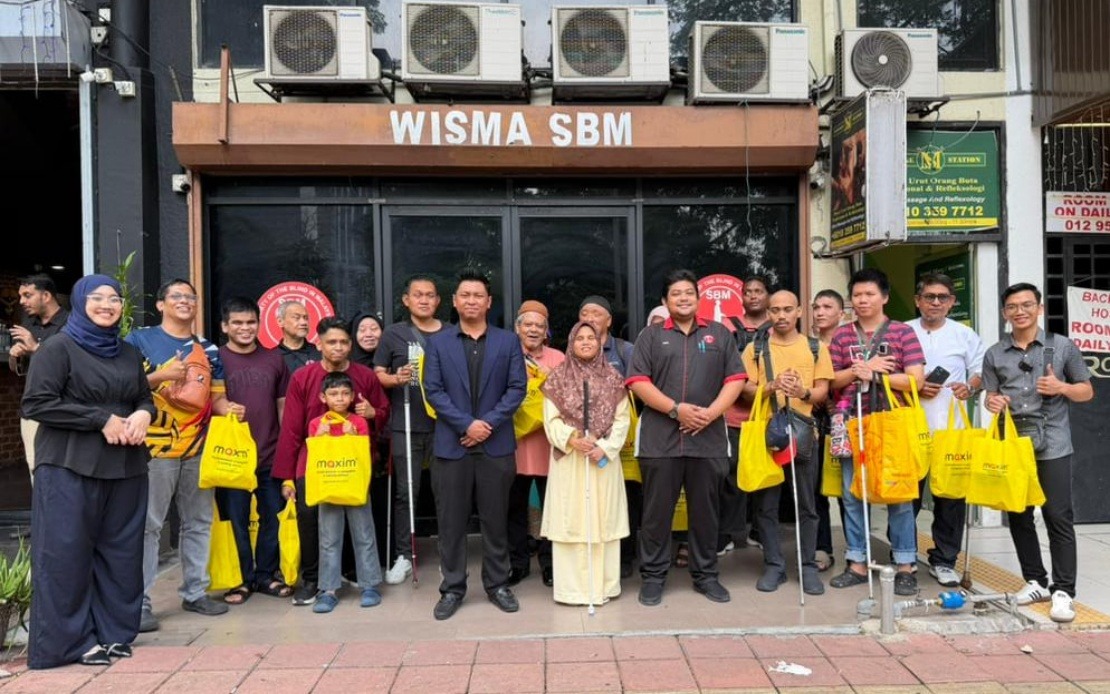
E-hailing operator Maxim has escalated its commitment to dismantling transportation inequalities across Malaysia, targeting persons with disabilities, elderly citizens, low-income households, and remote communities through a combination of reduced fares, technological innovation, and collaborative partnerships with social service providers.
Syed Abdul Syarif Syed Peiaru, the platform's Kuala Lumpur head, positioned mobility not merely as a convenience but as a fundamental enabler of human dignity and economic participation. His framing reflects a growing recognition across Southeast Asia's ride-hailing sector that profitability and inclusive growth need not be mutually exclusive. For Maxim, the strategic pivot toward underserved demographics represents both a social imperative and a market expansion opportunity in a region where accessibility infrastructure remains underdeveloped and transportation costs consume a disproportionate share of lower-income household budgets.
The company's underlying philosophy rests on the premise that affordable, dependable transport unlocks multiple dimensions of human flourishing. When citizens—whether disabled, elderly, or economically disadvantaged—can reliably reach workplaces, educational institutions, healthcare facilities, and community spaces, they transition from economic dependents to active contributors. This logic has proven persuasive among impact investors and multinational ride-sharing platforms seeking to differentiate themselves in saturated urban markets by cultivating loyalty among underserved populations.
Maxim's Mesra OKU service exemplifies this approach, bundling extended driver waiting periods, specialized training for drivers assisting passengers with mobility challenges, dedicated support for wheelchairs and other aids, and voice-activated booking functionality. Users can signal their assistance requirements through the app interface, enabling the platform to dispatch appropriately trained personnel and manage passenger expectations throughout each transaction. Such granularity in service design reflects lessons learned from disability advocacy organizations, which have historically criticized ride-hailing firms for treating accessibility as an afterthought rather than a foundational design principle.
Technological integration forms a critical pillar of Maxim's accessibility strategy. The firm has partnered with the Society of the Blind in Malaysia to promote TalkBack voice recognition features, ensuring that visually impaired users can navigate the platform without visual interface dependency. This collaboration demonstrates how digital tools, when deliberately designed with marginalized communities in mind, can dissolve barriers that previously appeared immutable. The partnership model also signals to other tech companies operating regionally that accessibility innovation need not proceed in isolation; coordinated engagement with specialist organizations amplifies reach and credibility.
Beyond technology, Maxim has implemented tailored pricing structures for persons with disabilities and individuals requiring specialized assistance, recognizing that market-rate fares represent genuine hardship for populations with limited income mobility. This subsidy model depends on cross-subsidization from premium passengers or venture-backed margins, a model sustainable only if investor appetite for social-impact metrics remains robust. For policymakers across Southeast Asia evaluating ride-hailing regulation, Maxim's pricing strategy raises questions about whether public subsidies should complement private-sector initiatives, particularly in rural or low-density areas where unit economics prove unfavorable.
The platform has extended its inclusive vision into community sports and adaptive athletics, providing transportation support for para-athletes preparing for regional and national competitions. Such initiatives cultivate brand loyalty while reinforcing a narrative of corporate citizenship, yet they also expose the reality that isolated transportation solutions cannot substitute for comprehensive accessibility frameworks encompassing housing, employment, healthcare, and education. Maxim's willingness to engage with para-sports communities signals awareness of this limitation while staking a claim within the broader ecosystem of disability support.
Strategic partnerships with hospitals, universities, non-governmental organizations, and government agencies constitute the operational backbone of Maxim's expansion into underserved territories. These collaborations generate reliable demand through institutional booking while embedding Maxim within social infrastructure networks that already serve vulnerable populations. Educational institutions, for instance, can integrate Maxim's services into student support systems, while hospitals can utilize the platform to improve patient and staff mobility. Such embedding enhances Maxim's defensibility against competitors while creating switching costs that benefit the firm long-term.
The geographic dimension of Maxim's strategy warrants attention. Expansion into rural and low-density regions that conventional ride-hailing models have deemed unprofitable reflects either philanthropic conviction or strategic recognition that emerging middle-income populations in secondary towns represent underexploited revenue opportunities. Malaysia's ongoing urbanization, coupled with youth migration toward employment centers, creates genuine demand for reliable intercity and intra-rural transportation among populations traditionally underserved by public transit. Maxim's rural push positions the company as a mobility innovator rather than a luxury convenience provider, a narrative particularly compelling in Southeast Asian markets where ride-hailing has earned reputations as premium services accessible primarily to urban professionals.
For Malaysian readers, Maxim's initiatives offer tangible improvements in transportation access for family members or friends navigating disability, aging, or financial constraints. The Mesra OKU service and voice-recognition features represent concrete investments in infrastructure that the public sector has not yet comprehensively provided. However, the reliance on corporate goodwill rather than regulatory mandate raises sustainability questions. Should Maxim's investor composition shift, executive leadership change, or competitive pressures intensify, commitment to below-market pricing and specialized services could diminish without legislative safeguards mandating accessibility standards across the industry.
Regionally, Maxim's approach signals to competitors and regulators that ride-hailing platforms can profitably serve broader demographics than traditionally assumed. Singapore, Thailand, and Indonesia—markets where Maxim also operates—have observed similar accessibility initiatives, suggesting either sector-wide learning or coordinated corporate social responsibility strategies. Regulators in these countries may leverage Maxim's precedent to establish baseline accessibility requirements for ride-hailing licensing, creating industry-wide standards that prevent companies from competing on convenience while neglecting vulnerable users.
Looking forward, Maxim's stated commitment to continuous platform refinement, community engagement, and inter-agency coordination suggests recognition that accessibility is iterative rather than terminal. Digital platforms serving diverse users require ongoing calibration as user feedback accumulates and technology capabilities expand. The company's emphasis on user-centric design and community partnership indicates receptiveness to input from disability advocates and frontline service providers, a posture that contrasts with earlier ride-hailing entrants that treated accessibility as compliance burden rather than competitive advantage. This philosophical reorientation, if sustained, could establish new benchmarks for inclusive mobility across the region.

