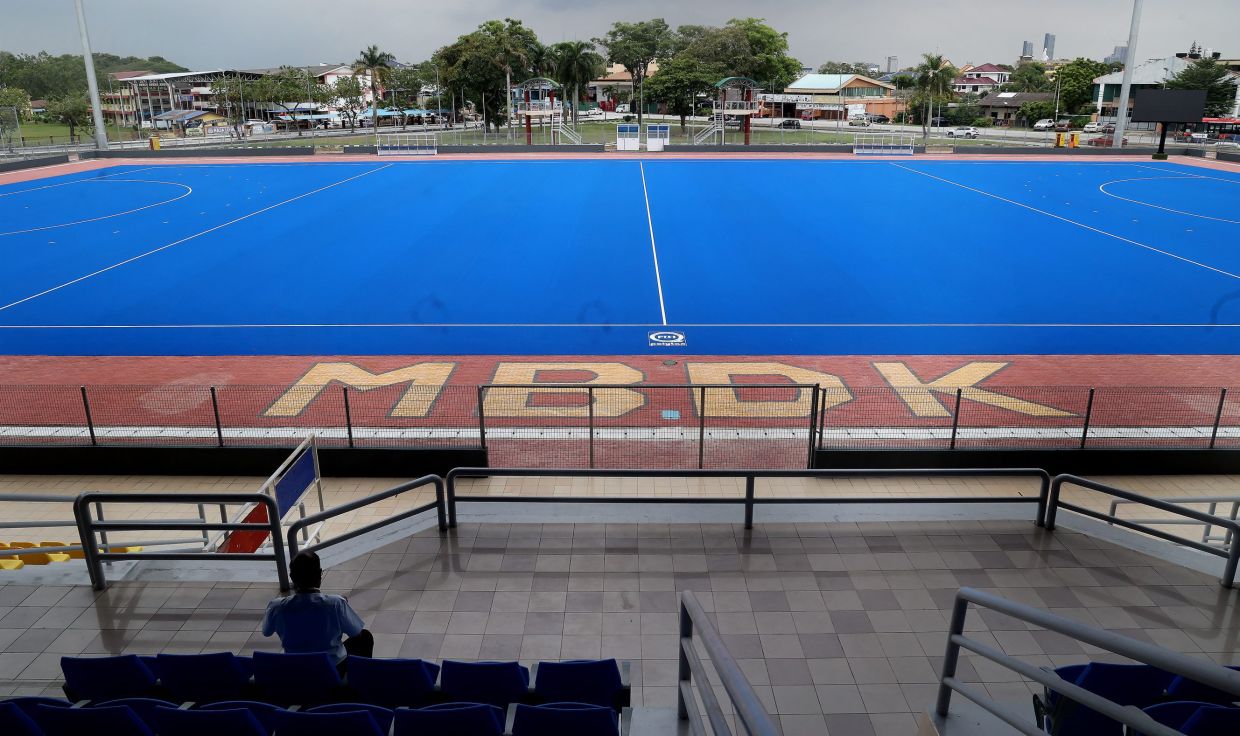
Klang Royal City Council (MBDK) is positioning the Selangor Hockey Association (SHA) as the operational backbone for its newly renovated Pandamaran Hockey Stadium, marking a significant shift towards professional sports facility management in the Klang district. The move reflects MBDK's recognition that modern sports infrastructure demands specialised expertise beyond traditional municipal oversight, particularly as the region prepares to host major national sporting events.
Klang mayor Datuk Abd Hamid Hussain framed the partnership as a strategic investment rather than a mere operational arrangement. According to the mayor, the stadium represents far more than a playing surface—it functions as a critical public asset requiring the kind of structured governance and long-term vision that a dedicated sports association can provide. The SHA's institutional knowledge of hockey operations, tournament coordination, and facility maintenance standards positioned it as the natural choice for managing day-to-day activities and ensuring the venue meets evolving domestic and international demands.
The refurbishment initiative required an outlay of approximately RM9 million from municipal coffers, underscoring MBDK's confidence in transforming Pandamaran into a regional sporting destination. Located strategically between Jalan Sukma and Jalan Raja Lumu in Port Klang's Pandamaran locality, the stadium's revival coincides with Selangor's preparations to host the 22nd Sukma Games scheduled for August 15 to 24, 2026, followed immediately by Para Sukma from September 5 to 10. This compressed timeline intensifies the urgency for operational readiness, and SHA's involvement ensures continuity in facility management beyond the immediate games period.
MBDK's infrastructure investment extends well beyond cosmetic upgrades. The renovated stadium now features cutting-edge components including a synthetic playing surface meeting international specifications, advanced drainage systems designed for tropical weather conditions, comprehensive floodlighting infrastructure enabling evening matches, and an electronic scoreboard supporting live broadcasts. Supporting facilities such as changing rooms, spectator amenities, and administrative spaces have also been modernised to accommodate athletes, officials, and international media. This holistic approach to facility development reflects recognition that hosting world-class events requires attention to every operational detail.
The International Hockey Federation's certification stands as perhaps the stadium's most significant credential. Valid until July 2, 2029, this accreditation signals that Pandamaran meets global standards for equipment, dimensions, safety protocols, and broadcast capabilities. The certification qualifies the venue to host international tournaments and transmit matches to global audiences, effectively placing Klang on the map for international hockey competition. For Malaysia, which has invested considerably in developing hockey talent across both men's and women's categories, having an FIH-certified facility outside Kuala Lumpur enhances geographic distribution of world-class training and competition infrastructure.
The operational framework established by MBDK and SHA encompasses multiple dimensions of stadium management often underappreciated by casual spectators. A dedicated management team will oversee maintenance protocols ensuring the synthetic surface remains playable throughout Selangor's humid climate, coordinate bookings for domestic matches and training sessions, manage security arrangements during high-profile tournaments, undertake promotional activities to build local interest in hockey, and handle ticketing systems for spectator revenue. This professionalised approach contrasts sharply with how many municipal sports facilities operate in Southeast Asia, where deferred maintenance and inconsistent booking systems often render expensive infrastructure underutilised.
MBDK's strategic framing of this investment carries implications extending far beyond Klang's municipal boundaries. The mayor explicitly positioned the stadium as a catalyst for local economic activity, viewing sports tourism as an emerging revenue stream for the district. When international hockey teams travel to Pandamaran for tournaments or training camps, they generate demand for accommodation, dining, transportation, and retail services throughout Klang. The visibility associated with hosting televised international matches elevates Klang's profile among sports enthusiasts globally and creates positive brand associations that can influence investment and tourism decisions over time.
For Malaysia's broader sports development strategy, the Pandamaran investment represents a deliberate attempt to distribute elite-level sporting infrastructure beyond the Klang Valley's established centres. Historically, major facilities have concentrated in Kuala Lumpur and immediately adjacent areas, creating geographic disparities in access to world-class training and competition environments. By establishing an international-standard hockey venue in Port Klang, MBDK contributes to a more geographically balanced sports ecosystem across Selangor, potentially opening opportunities for athletes and coaches from outlying areas to access high-calibre facilities without lengthy commutes.
The soft launch and test match scheduled for today serve practical purposes beyond ceremonial functions. The test game allows stadium operations teams to identify logistical challenges, test technological systems, and refine procedures before the Sukma Games commence. This trial period proves invaluable for SHA in understanding traffic flow patterns, spectator management requirements, media operations, and athlete welfare protocols specific to this facility. Such testing under actual sporting conditions provides insights impossible to glean from operational planning alone.
The Sukma Games represent a critical inflection point for the Pandamaran Stadium. Successfully hosting major national competitions establishes operational credibility and provides SHA with practical experience managing complex sporting events. The immediate follow-up Para Sukma further tests accessibility infrastructure and inclusive sports management practices. These back-to-back events create momentum that can translate into bookings for national team training camps, domestic league matches, regional tournaments, and international fixtures over subsequent years, converting the RM9 million capital investment into sustained facility utilisation and revenue generation.
MBDK's decision to vest operational responsibility with SHA rather than retaining direct municipal management reflects evolving thinking about public sports infrastructure governance. Specialist sports associations possess institutional networks linking athletes, coaches, federation officials, and event organisers that municipal governments typically lack. They understand sport-specific technical requirements, can navigate federation regulations and international standards, and often command greater credibility within sporting communities than general public administration entities. This model of collaborative management—where government provides capital and infrastructure while specialist bodies assume operational responsibility—increasingly appears as best practice for optimising returns on public sports investments throughout the region.
Looking ahead, the sustainability of this partnership depends on multiple factors including adequate funding for maintenance, consistent fixture scheduling, effective marketing to attract teams and spectators, and supportive municipal policies regarding facility availability and pricing. If successfully executed, the Pandamaran arrangement could establish a replicable model for other Malaysian municipalities seeking to upgrade their sports infrastructure while ensuring professional management and long-term viability. For Selangor and Malaysia more broadly, the investment signals commitment to developing competitive sporting ecosystems that can attract international recognition and deliver tangible benefits to host communities.

