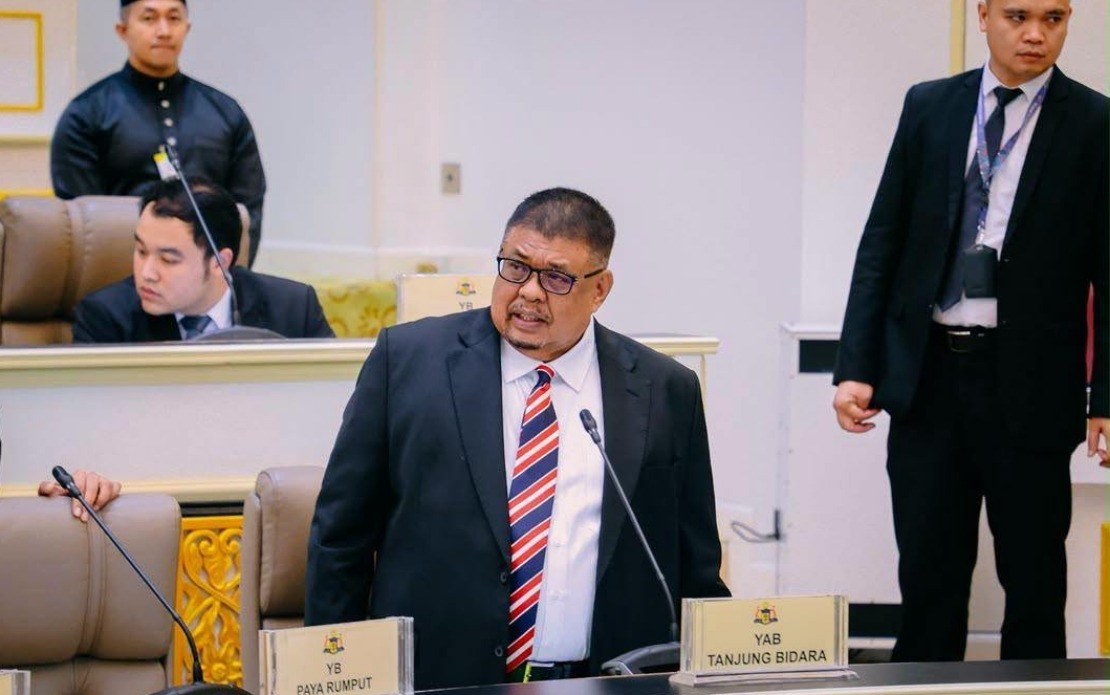
Melaka's government machinery will maintain its normal rhythm despite the Democratic Action Party's dramatic exit from the state administration, Chief Minister Datuk Seri Ab Rauf Yusoh declared on July 15, seeking to reassure stakeholders worried about disruption following the sudden political realignment. The announcement came just hours after four DAP state representatives formally departed their positions, leaving a vacuum in the executive council that has prompted questions about the administration's capacity to deliver services and push forward development initiatives during this transition period.
The withdrawal represents a significant reconfiguration of Melaka's political landscape, fundamentally altering the coalition that had governed the state. Ab Rauf's immediate priority was to neutralise concerns among investors, business operators, and civil servants that the unexpected shift would create administrative instability or delay crucial state projects. Speaking at a media briefing held at the Seri Negeri Complex in Ayer Keroh, the Chief Minister projected confidence and continuity, emphasising that departmental functions, service delivery to residents, and developmental programmes would proceed without meaningful interruption or degradation in quality.
The four DAP assemblymen who tendered resignations—Allex Seah Shoo Chin representing PH-Kesidang, Low Chee Leong from PH-Kota Laksamana, Leng Chau Yen of PH-Banda Hilir, and Kerk Chee Yee from PH-Ayer Keroh—made their departures official in response to the State Legislative Assembly's recent constitutional amendment permitting the appointment of assemblymen to fill vacancies. The amendment triggered immediate backlash from the DAP, which viewed the mechanism as opening pathways to undermine democratic principles and enable arbitrary appointment of legislators without electoral mandate. For the party, the constitutional change represented an unacceptable breach of governance standards that prompted the dramatic walkout.
Ab Rauf's statement that the state would not linger over the disagreement or question the DAP's right to act according to its principles reflected an attempt to lower political temperature and avoid prolonged rancour that might further destabilise governance. He noted that whilst the coalition partnership had ended, this need not herald adversarial relations or mutual antagonism between the two political entities. This framing sought to preserve the possibility of future cooperation on specific policy matters or legislative issues where common ground might exist, despite the formal separation from the executive council.
The Chief Minister declined to fill the vacant executive council position immediately, opting instead to distribute the responsibilities among existing administrative members on a temporary basis. This pragmatic decision avoids rushing into replacements that might appear hasty or create the impression of desperation to restore the numerical strength of the cabinet. The distribution of duties across the existing team also tests whether the slimmed-down administration can function effectively, potentially informing future decisions about the permanent structure of the executive council.
Prime Minister Datuk Seri Anwar Ibrahim had appealed to the DAP to reconsider and postpone the resignation, urging the party to prioritise the welfare and development interests of Melaka's residents above internal party considerations. However, Ab Rauf noted that the DAP's decision had already crystallised into finality once the resignation letter was formally submitted following the party's own press conference, making further negotiations redundant or symbolic at best. This sequence of events narrowed the window for intervention and suggested the DAP had resolved its position before any mediation attempts could gain traction.
The Chief Minister also reaffirmed the state government's commitment to maintaining productive relations with the federal administration, recognising that harmonious centre-state relationships prove essential for accessing development funding, implementing national programmes, and ensuring Melaka's interests receive consideration in federal policy decisions. This emphasis on federal cooperation suggests awareness that the state's economic and social progress depends significantly on support mechanisms and resource allocation directed from Kuala Lumpur.
AbRauf's expression of gratitude towards the DAP representatives who had served alongside him throughout their joint tenure in government struck a more conciliatory tone, acknowledging the contributions made and the collaborative work completed during their time as coalition partners. This gesture appeared designed to prevent the departure from devolving into bitter recrimination, preserving some measure of institutional respect and professional courtesy that might facilitate future interactions on matters of mutual concern.
For Malaysian political observers, the Melaka situation underscores the fragility of multi-party coalitions and the vulnerability of governments built on slender or ideologically diverse majorities. The constitutional amendment that sparked the DAP's departure reflects broader tensions within Malaysia's political ecosystem concerning the balance between appointed and elected representation, with different parties holding starkly opposing views on governance legitimacy and democratic accountability. The DAP's willingness to exit from state power rather than accommodate the amendment signals the party's commitment to its principles, even when doing so diminishes its political influence and removes its representatives from decision-making positions.
The implications for governance in Melaka extend beyond immediate administrative continuity concerns. The state now faces the task of rebuilding political consensus and determining which coalition configuration might stabilise the administration in coming months. Whether Barisan Nasional, which controls the Chief Minister's position, will seek to expand its parliamentary support or govern with reduced executive representation remains uncertain, but Ab Rauf's measured approach suggests preference for stability and demonstrated competence over rapid institutional restructuring.

