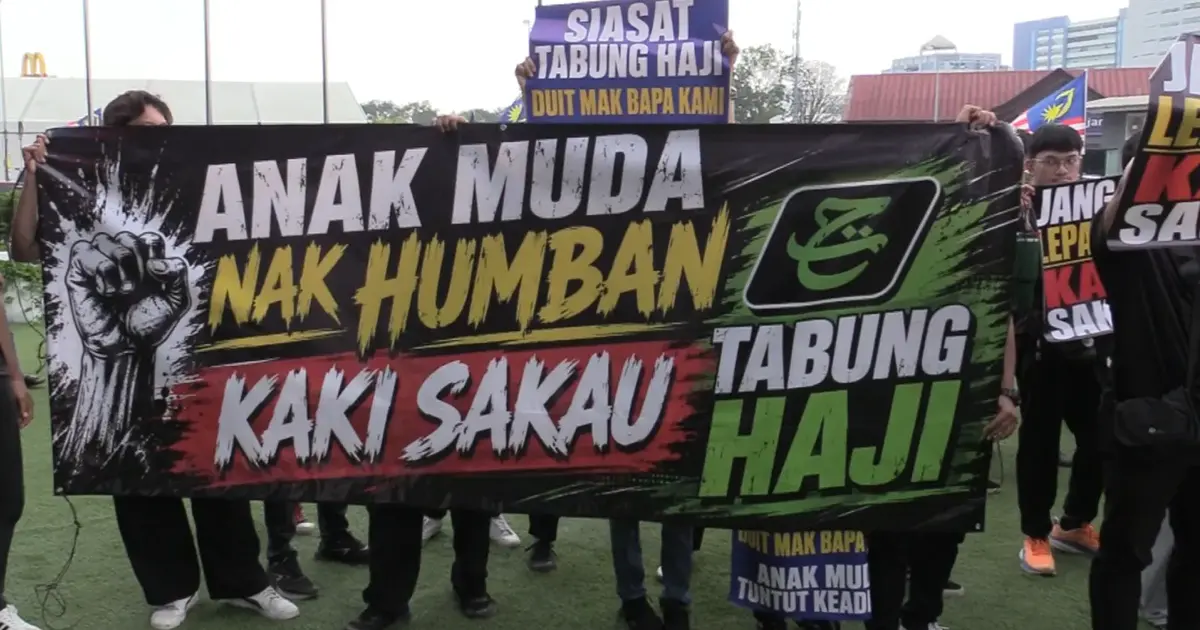
Approximately 250 members of PKR's Melaka chapter assembled outside the party's congress venue in a show of pressure over what they view as an unresolved crisis affecting the nation's pilgrimage savings institution. The gathering reflects growing frustration within the coalition partner regarding the pace and scope of investigations into Tabung Haji, an organisation with profound cultural and religious significance to Malaysia's Muslim majority.
The demonstrators contended that the Tabung Haji issue transcends ordinary political or financial controversy. They framed it as a matter intimately connected to the interests of Malay and Muslim Malaysians, positioning the demand for investigation as both a moral imperative and a defence of community welfare. This framing suggests the protesters view the matter through a lens of religious stewardship and communal trust, not merely fiscal accountability.
Tabung Haji occupies a unique institutional space in Malaysian society. Established as a savings scheme to help Muslim Malaysians accumulate funds for the Hajj pilgrimage, it has evolved into a significant financial entity managing billions in assets. The organisation's integrity therefore carries weight beyond balance sheets; it touches spiritual aspirations, accumulated lifetime savings, and family legacies across the Muslim population. Any controversy surrounding its operations naturally invokes protective instincts among the community it serves.
The rally outside the party congress indicates that members are willing to publicly distance themselves from leadership decisions on this issue. This type of internal dissent, displayed before the broader party gathering, signals that the matter has moved beyond backroom discussion into a phase where grassroots members feel compelled to voice demands directly. For PKR, which positions itself as a reformist party advocating for transparency and accountability, such pressure from its own members carries particular weight.
The timing of the demonstration—coinciding with the party congress—amplifies its message. Rather than privately voicing concerns through party channels, the protestors chose a moment of high visibility within PKR's internal calendar. This suggests either dissatisfaction with previous attempts to raise the issue through conventional mechanisms, or a calculated strategy to ensure party leadership cannot ignore their position. Either interpretation indicates genuine momentum behind the demand for action.
Regionally, Malaysia's handling of significant institutional controversies affects broader perceptions of governance and accountability across Southeast Asia. The Tabung Haji situation has captured attention not only among domestic stakeholders but also among observers in neighbouring countries with similar Islamic finance structures and hajj-focused institutions. The speed and thoroughness with which Malaysian authorities investigate and address such matters influences confidence in the region's regulatory frameworks.
For PKR specifically, the rally represents a test of the party's commitment to its stated values around transparency and public responsiveness. As a party that has criticised corruption and demanded accountability from other political actors, PKR faces scrutiny regarding how it responds when its own members demand investigation into matters of institutional importance. The party's handling of this internal pressure will likely shape member perceptions of whether reform-oriented rhetoric translates into consistent action.
The protesters' emphasis on the issue's centrality to Malay and Muslim interests also reflects broader political dynamics within Malaysian opposition coalitions. PKR, as part of an alliance including DAP and other parties, navigates complex considerations around identity-based politics and inclusive governance. Statements highlighting the specific significance to Muslim communities signal that party members expect their leadership to prioritise issues they perceive as affecting their community's welfare, even within a multiethnic coalition framework.
Investigations into large financial institutions inevitably require time for proper due diligence, forensic analysis, and evidence gathering. However, the distinction between necessary deliberation and perceived delays often proves politically significant. Where the public perceives slowness in addressing institutional failures, frustration can accumulate, particularly when the affected population views the matter through the lens of community trust and religious obligation. The protestors' demand for swift investigation likely reflects impatience with investigative timelines rather than expectation of immediate conclusions.
The gathering also highlights how institutional controversies can mobilise grassroots party members around specific demands. In Malaysian politics, where party machinery and member engagement vary significantly across organisations, visible demonstrations of member activism—particularly when expressing criticism of leadership decisions—merit attention as indicators of internal political currents. The Melaka chapter's willingness to stage an external protest suggests either weak internal resolution mechanisms or member determination to elevate the issue beyond what they consider adequate leadership response.
Looking forward, PKR leadership will likely face pressure to publicly articulate its position on investigation timelines and may need to demonstrate concrete engagement with relevant authorities. For the broader reform agenda that PKR claims to champion, how the party navigates this internal dissent over institutional accountability could carry implications extending beyond Tabung Haji itself, affecting how party members and external observers assess whether reform commitments remain substantive or performative.

