Melaka's occupational safety landscape faced significant challenges in the opening half of 2026, with authorities documenting 277 workplace accidents that resulted in both permanent and temporary disabilities affecting workers across multiple industries. The state's Department of Occupational Safety and Health (DOSH) also confirmed three fatalities during this period, marking a sobering reminder of the human cost of workplace hazards in the region. Two deaths occurred within the construction sector, traditionally one of Malaysia's most dangerous industries, while a third fatality was recorded in manufacturing.
Ramesh Zakir Shamsul, who directs Melaka DOSH, characterised the overall situation as remaining comparatively manageable despite the concerning figures. His assessment reflects an institutional confidence in existing oversight mechanisms, though the raw statistics—277 accidents in just six months—suggest significant underlying risks across Melaka's industrial base. The permanence of injuries sustained by many workers underscores how these incidents create lasting consequences for individuals, families, and employers alike.
The construction sector's prominent role in fatal workplace incidents aligns with established regional patterns. Malaysia's construction industry, critical to the country's development ambitions and infrastructure projects, consistently records among the highest workplace casualty rates. Construction work involves inherent hazards including falls from heights, machinery accidents, and structural collapses. The recording of two deaths in this sector within a six-month window suggests that despite regulatory frameworks, implementation gaps may persist at individual worksites.
DOSH operations in Melaka centre on rigorous investigation and enforcement protocols under the Occupational Safety and Health Act 1994 (Act 514), the principal legislation governing workplace safety nationwide. Ramesh Zakir stressed that employers bear legal responsibility for promptly reporting all workplace accidents, a requirement that establishes paper trails enabling detailed post-incident analysis. These investigations serve dual purposes: identifying immediate causal factors and informing systemic improvements in safety practices across sectors.
The framing of responsibility extends beyond government regulators to encompass employers themselves. Ramesh Zakir acknowledged that raising occupational safety awareness cannot fall exclusively on DOSH's shoulders; rather, employers must champion safety cultures within their organisations. This distributed accountability reflects realistic governance, recognising that meaningful workplace safety requires buy-in from those directly controlling workplace conditions. Companies investing in safety infrastructure, training, and equipment substantially reduce accident incidence.
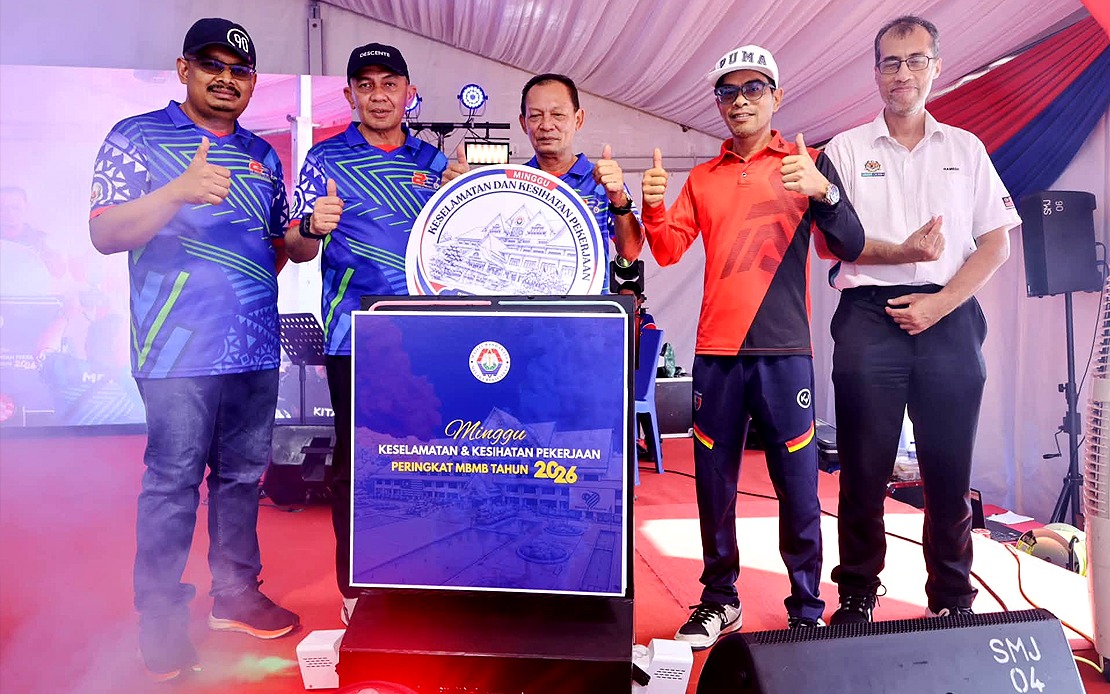
Melaka's local authorities, particularly the Melaka Historic City Council (MBMB), have positioned themselves as collaborative partners in this safety ecosystem. The Occupational Safety and Health Week celebration launched by MBMB during July—officiated by state deputy senior executive councillor Datuk Zulkiflee Mohd Zin—demonstrates this partnership's tangible manifestation. Such events serve multiple functions: they commemorate occupational safety as a policy priority, educate workers and supervisors, and reinforce compliance messaging across business communities.
DOSH's commitment to collaborative programming encompasses workshops and talks (ceramah) delivered in partnership with employers and local authorities. These initiatives target the knowledge-dissemination challenge underlying many workplace accidents—workers and supervisors may lack familiarity with hazard recognition, safe work procedures, or emergency protocols. Educational interventions, especially when tailored to specific industries and delivered locally, demonstrably improve safety outcomes. Melaka's approach reflects evidence-based practice in occupational health policy.
The involvement of multiple stakeholders—represented by Mayor Datuk Shadan Othman and DOSH deputy director-general Ahmad Jailani Mansor at the July ceremony—underscores institutional recognition that workplace safety transcends sectoral boundaries. Manufacturing and construction, responsible for five of the documented fatalities, employ significant portions of Melaka's workforce. Other sectors contributing to the 277 accidents require distinct safety approaches reflecting their unique operational hazards.
For Malaysian employers and workers, Melaka's experience offers cautionary lessons applicable nationwide. The state's accident figures, whilst described as "relatively under control," nonetheless represent preventable human suffering. International comparisons reveal that sophisticated occupational safety regimes, combining strict liability systems, worker education, and ergonomic investment, achieve substantially lower accident rates. Malaysia's regulatory framework possesses strong formal elements; implementation consistency remains the critical variable.
The three fatalities recorded in Melaka during six months translate to an annual rate of six deaths—a figure that, whilst smaller than some Malaysian states by absolute numbers, reflects the concentrated industrial activity in the Klang Valley and northern regions. However, Melaka's strategic location as a gateway to Malaysia's central economic corridor means its workplace safety performance carries implications beyond state boundaries. Supply chains linking Melaka manufacturers and construction firms to national projects mean accidents directly impact regional productivity.
Moving forward, Melaka DOSH's commitment to ongoing monitoring signals continued enforcement activity. The regulatory environment under Act 514 provides substantial penalties for non-compliance, yet deterrence functions optimally only when applied consistently and transparently. Workers' ability to report hazards without retaliation remains crucial; many accidents involve violations known to employees but unreported due to fear of dismissal or other consequences.
The intersection of occupational safety with broader Malaysian labour policy continues evolving. Recent amendments to labour legislation have strengthened worker protections and safety standards, yet implementation across diverse workplace environments remains uneven. Melaka's documented experience—277 accidents, three deaths, sustained regulatory monitoring—illustrates the persistent gap between statutory requirements and workplace reality.
As Malaysia pursues industrial diversification and increased manufacturing investment, occupational safety will increasingly command policy attention. Melaka's half-year statistics serve as a benchmark prompting reflection on whether current prevention measures sufficiently protect Malaysia's workforce. The state's collaborative approach involving government, employers, and local authorities offers a replicable model, yet success ultimately depends on sustained resource commitment and genuine workplace culture transformation prioritising safety over production speed or cost minimisation.

