The Melaka River Cruise is on track to become a major tourism success story for the state, with the managing authority projecting it will welcome its one millionth passenger before December closes. So far this year, roughly 350,000 visitors have experienced the journey along the historic waterway, leaving the operator needing to capture another 650,000 travellers to hit the ambitious target—a figure representing 60 per cent of the annual goal that still lies ahead.
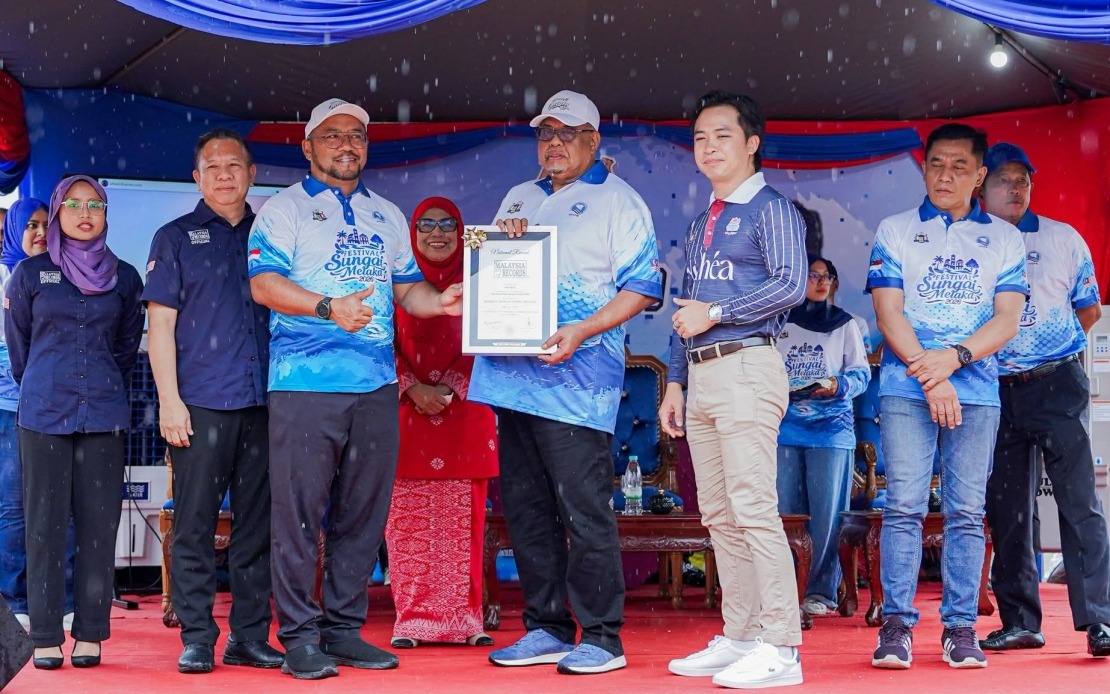
Perbadanan Pembangunan Sungai dan Pantai Melaka (PPSPM), the state body overseeing the cruise operation, frames this milestone as achievable despite the remaining challenge. Chief executive Shaharul Azuar Idris outlined the organisation's confidence during a ceremony at Dataran Pengkalan Rama where Malaysia Book of Records certificates were distributed to Melaka River Festival 2026 winners. The official stressed that competitive pricing on various tour packages, combined with an aggressive marketing push both within Malaysia and internationally, should help convert potential visitors into actual passengers during the year's final months.
The commercial strategy reflects broader efforts to position the cruise as an indispensable Melaka experience. Tourism operators across Southeast Asia understand that experiential attractions—particularly water-based products offering scenic relaxation combined with cultural immersion—appeal strongly to both domestic and regional visitors. The Melaka River Cruise capitalises on the state's historic significance and waterfront heritage, offering passengers what amounts to a moving museum that showcases colonial architecture, local heritage sites, and natural riverside landscapes without requiring visitors to navigate on foot through crowded heritage zones.
Behind the passenger numbers sits substantial infrastructure investment. PPSPM currently operates a fleet of 60 vessels split between two major routes: 30 boats dedicated to the Melaka River Cruise and another 30 operating eco-tourism experiences on Tasik Chinchin. The authority has invested in upgrading premium offerings, including refurbished vessels such as the Everlasting Love Boat and Tun Khalil Cruise, which now feature onboard dining facilities designed to justify premium ticket prices. These enhancements acknowledge that modern tourism consumers increasingly expect integrated experiences combining transport, dining, and curated commentary rather than simple transit from point A to point B.
The organisation acknowledges that maintaining service quality remains critical to achieving passenger targets. Rather than simply expanding capacity, PPSPM focuses on both safety enhancements and passenger comfort improvements. The consistent message from management emphasises continuous boat maintenance, staff training, and operational efficiency designed to ensure that the experience remains memorable. This approach differs from operators who prioritise volume over experience; the philosophy appears to be that satisfied passengers generate word-of-mouth marketing and repeat visits, which ultimately drives sustainable growth beyond any single year's targets.
Future expansion plans remain under evaluation. PPSPM has proposed introducing new vessels equipped with contemporary technology, though budget allocation and final approvals have not yet been confirmed. This deliberation reflects common Malaysian government practice where capital-intensive tourism projects undergo multiple rounds of assessment before proceeding. If approved, new boats would increase carrying capacity and allow the operator to simultaneously serve more passengers while maintaining the premium experience that differentiates the Melaka River Cruise from competitors elsewhere in Southeast Asia.
State government involvement underscores the political dimensions of the tourism initiative. Melaka Chief Minister Datuk Seri Ab Rauf Yusoh officiated the recent ceremony, signalling executive-level commitment to the sector. The prominence given to the cruise within state economic strategy reflects recognition that heritage tourism and water-based attractions represent growth opportunities as visitor numbers to Malaysia recover and regional competition for tourism dollars intensifies. For a state whose historical importance rivals Georgetown or Penang, positioning the river cruise as a flagship product makes strategic sense.
An upcoming National Day promotion illustrates how PPSPM leverages state initiatives for tourism benefit. On August 31, the organisation will offer complimentary rides to more than 5,000 visitors through the Melaka Sayang Rakyat (MeSRa) initiative, a government program intended to distribute state largesse to residents. This approach serves dual purposes: it fulfils the political objective of providing tangible benefits while simultaneously exposing thousands of potential future paying customers to the product. Those who experience free cruises often become repeat visitors willing to pay, particularly if they bring visiting relatives or friends.
Successfully accommodating the expected National Day crowds will test PPSPM's operational readiness. The authority acknowledges this reality, with management committing to deploy sufficient staffing and additional boat capacity to minimise queuing and boarding delays. This operational transparency suggests the organisation understands that poor execution during high-volume promotional days risks damaging the brand perception that premium pricing depends upon. A visitor frustrated by lengthy waits during a free ride promotion may prove less likely to purchase tickets later.
The one million passenger target carries implications beyond raw tourism statistics. Melaka's tourism sector supports hospitality workers, restaurant operators, souvenir vendors, and transportation providers. Each cruise passenger represents downstream economic activity as visitors stay in hotels, dine at restaurants, and purchase local products. State governments increasingly understand tourism as economic development strategy rather than mere entertainment provision. For Melaka, which possesses genuine historical distinction but competes with stronger regional attractions, developing flagship products like the river cruise becomes essential to maintaining relevance in competitive Southeast Asian tourism markets.
The ambitious year-end target also reflects operator confidence in Malaysia's tourism recovery. International visitor numbers to the country remain below pre-pandemic levels, yet leisure travel within the region continues expanding. Domestic tourism from other Malaysian states and Singapore represents significant market opportunity, particularly as consumers increasingly seek short-break experiences requiring minimal planning. The Melaka River Cruise fits this profile perfectly: accessible from Kuala Lumpur and other western corridor cities within reasonable driving distance, requiring no special fitness or equipment, and delivering cultural and natural beauty in concentrated form.
Achieving the million-passenger milestone would provide PPSPM with concrete evidence of the cruise's viability, potentially justifying proposed expansion investments and attracting additional government support for tourism infrastructure. It would also position Melaka competitively against other heritage destinations developing similar attractions. Whether the target proves achievable depends ultimately on execution during the final months of the year—translating promotion into bookings, maintaining service quality under volume pressures, and sustaining the quality standards that distinguish the cruise as a premium rather than merely adequate tourist experience.

