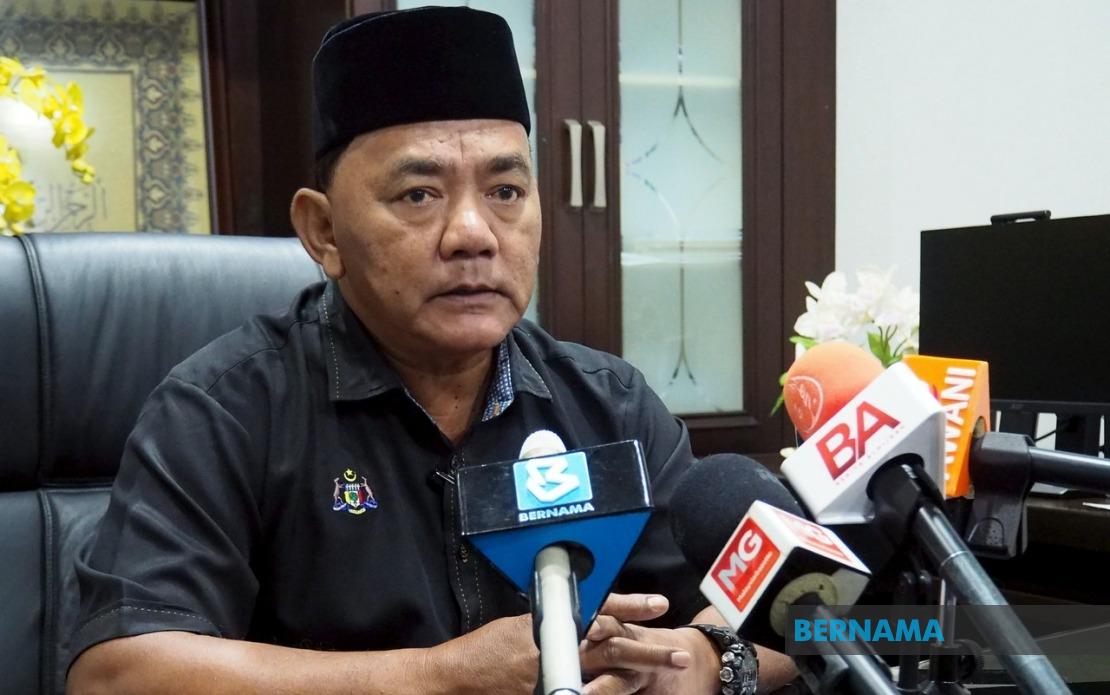
The Melaka state government has set its sights on introducing a Main Syariah Court by 2025, a significant step in restructuring the state's Islamic judicial system. According to Datuk Rahmad Mariman, chairman of the State Education, Higher Education, and Religious Affairs Committee, the new institution will function as an additional layer within Melaka's existing Syariah court framework, pending completion of the necessary legal procedures and State Assembly approval.
The establishment of this court represents part of a comprehensive modernisation agenda for Melaka's Islamic judiciary. Beyond creating the new court, the state government is pursuing parallel reforms through the drafting of the Melaka Syariah Courts Bill and the Syariah Court Civil Procedure (Court Fees) Rules. These legislative initiatives aim to address inefficiencies in the current system and create a more responsive judicial environment for cases involving Islamic law matters.
A key component of the reform package involves overhauling the appointment mechanism for Syarie judges. By streamlining this process, the state hopes to expedite the recruitment and deployment of qualified judicial officers, potentially reducing bottlenecks that can delay case hearings and verdicts. Such procedural improvements are particularly important as Malaysian Islamic courts continue to handle an expanding caseload across civil and criminal matters.
Recent performance data underscores the existing institution's productivity levels. Between January 2024 and August this year, the Melaka Syariah Court successfully resolved 11,037 cases from a total of 13,424 filings, achieving an 82 per cent resolution rate. This figure demonstrates the court's capacity to process disputes involving family matters, inheritance claims, and other Islamic law issues. However, the remaining 18 per cent of unresolved cases suggests that additional institutional capacity—such as that provided by the planned Main Syariah Court—could further improve case clearance rates and reduce wait times for litigants seeking judicial remedies.
Datuk Rahmad unveiled these plans while officiating the Melaka Syariah Court Mahabbah Programme 2026, an outreach initiative that brings the Islamic judicial system closer to ordinary Malaysians. Melaka Mufti Datuk Abdul Halim Tawil and Melaka Chief Syarie Judge Azzeman Omar were present at the event, held at the Melaka Syariah Court Complex in Ayer Keroh, signalling unified commitment from religious and judicial leadership in the state to advance these reforms.
The Mahabbah programme itself reflects a broader shift in how Syariah courts across Malaysia are approaching public engagement. Rather than operating as distant institutions accessible only to those with direct legal needs, these courts increasingly see themselves as educators and community anchors. The initiative aims to clarify the rights and responsibilities of Malaysian Muslims when navigating family law, inheritance matters, and other areas governed by Islamic jurisprudence. This educational component is particularly valuable for ordinary citizens who may struggle to understand when and how to utilise the Syariah court system.
Beyond dispute resolution, Melaka's religious authorities emphasise that the Syariah court serves a stabilising function for family structures and broader social cohesion. Officials characterise the institution not merely as an arbiter of legal conflicts but as a guardian of family harmony and, by extension, community stability. This framing reflects Islamic principles concerning the importance of family as the foundational unit of society, and acknowledges that rapid social change and urbanisation have created new pressures on traditional family arrangements in Malaysia.
The timing of these reforms carries significance for Malaysia's broader Islamic judicial landscape. As other states also grapple with rising caseloads and evolving family law issues—including matters related to non-Muslim spouses, inheritance in plural marriages, and issues arising from delayed court proceedings—Melaka's experience could provide a template for systemic improvements elsewhere. The state's willingness to invest in institutional capacity and legislative clarity demonstrates recognition that Islamic courts, despite their specialised jurisdiction, must operate with the efficiency and transparency expected of modern judicial systems.
Implementation will require careful coordination between the State Assembly, the judiciary, and the religious affairs office. The bill must navigate the legislative process successfully, and adequate resources must be allocated for recruitment, training, and infrastructure. These practical considerations often determine whether ambitious judicial reforms ultimately succeed or stall amid bureaucratic friction.
The Melaka government has also announced that the state-level Maulidur Rasul celebration, scheduled for 29 August at Dataran 1Malaysia Klebang, will feature special awards recognising excellence in Islamic institutional administration. Such recognition programmes reinforce the importance of effective governance within religious institutions and provide public acknowledgment of professional standards within the Islamic judiciary.
Looking forward, the success of Melaka's Main Syariah Court will depend on whether it meaningfully reduces case backlogs, improves access to justice for ordinary Malaysians, and enhances the perceived legitimacy of Islamic courts within the broader legal system. The state's commitment to these reforms suggests a recognition that Islamic judicial institutions, like their secular counterparts, must continually evolve to meet contemporary demands while maintaining fidelity to established legal principles and religious values.

