Meta Platforms faces scrutiny from a coalition of 29 US states in a high-stakes trial centring on whether the technology giant deliberately engineered its products to addict children while extracting their personal data—and whether it misled the public about safety measures designed to counter such harms. With over three billion users worldwide, the company has become a primary target for state attorneys challenging the digital industry's treatment of young users. The trial, which entered its second week in late August, is set to continue into late September, with senior company executives expected to testify.
At the heart of the legal dispute is Meta's handling of two ostensibly protective features launched in recent years: Take a Break, introduced in 2021, and Quiet Mode, deployed in 2023. These tools were meant to help teenagers manage their Instagram usage by triggering reminders to step away from the app and silencing late-night notifications respectively. Yet internal company data presented to the court revealed a troubling reality: adoption of these safety measures remained stubbornly low, with Take a Break reaching only 1.8 per cent of accounts and Quiet Mode achieving 8.7 per cent uptake among teen users.
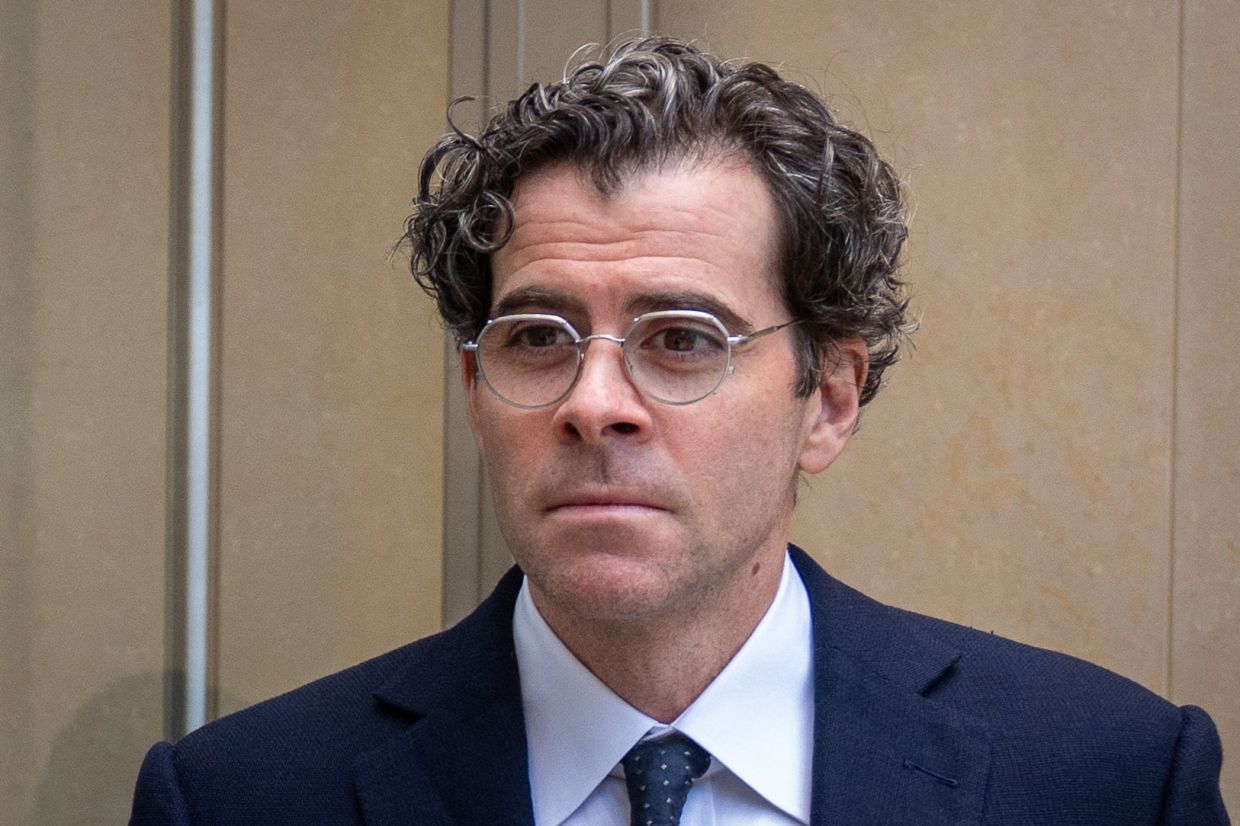
Adam Mosseri, head of Instagram, testified before the court under questioning from Colorado Attorney General's office lawyer Jason Slothouber about the minimal usage figures. Rather than acknowledging widespread failure, Mosseri characterised the low adoption rate as a temporary setback that had subsequently been remedied. He stated that the company had since made "significantly improved" progress on the feature adoption front, though he provided limited concrete evidence of current usage statistics. The defence appeared designed to suggest that early shortcomings had been addressed through subsequent refinements and default settings changes.
The credibility of Meta's public statements came into particular question when lawyers examined a blog post authored by Mosseri himself, published on December 7, 2021—just one day before he testified before the US Congress about social media's negative impacts on young people. In that post promoting the new safety features, Mosseri cited a statistic claiming that "more than 90 per cent" of teenagers who activated the reminder feature kept it switched on. However, this figure masked a critical omission: it referred only to users who had already turned on the reminder, not the broader population of teen users. The statistic thus obscured the actual adoption rate among Instagram's teenage user base.
When pressed by state attorneys about whether Meta had publicly disclosed the actual adoption figures—which hovered between one and two per cent—Mosseri admitted the company had not done so. He then pivoted to explaining that safety features were subsequently activated by default for Teen Accounts, a category launched in 2024 that includes parental control features. However, when asked directly whether Meta had disclosed what proportion of teen accounts actually have parental controls enabled, Mosseri could not recall such disclosures being made. This pattern of selective disclosure suggests a strategy of emphasising positive metrics while downplaying unfavourable usage data.
Testimony from other Meta employees and former staff members strengthened the states' case considerably. Francesco Fogu, Meta's director of product design at Instagram, conceded under questioning that the company anticipated adoption rates would remain significantly lower if the safety tools were not enabled by default. Despite working on these features, Fogu initially claimed ignorance of the internal adoption data—a response that visibly surprised Judge Yvonne Gonzalez Rogers, who is overseeing the case. The implication was clear: Meta's product designers understood the limitations of their safety measures yet proceeded with strategies that prioritised user engagement over protective effectiveness.
The most damning testimony came from former Meta employees with direct knowledge of the safety feature development. Arturo Bejar, a former engineering director at Meta, characterised Take a Break as "a feature that's designed to fail," suggesting intentional design choices that would limit its effectiveness. George Volichenko, a data scientist who worked on Instagram safety features during 2022 and 2023, described the adoption rates as "very low and disappointing"—merely "a drop in the ocean" relative to the platform's teenage user base. He further testified that Meta's leadership actively refused to enable Quiet Mode by default for younger teenagers, a decision that he indicated was driven by concerns about engagement metrics rather than safety considerations.
Volichenko's testimony revealed a fundamental tension at the heart of Meta's business model. The company generates revenue primarily through advertising, and user engagement directly correlates with advertising revenue. Making safety features more prominent or enabled by default would have triggered what Volichenko characterised as a "notable negative impact" on user engagement—a consequence Meta's leadership deemed unacceptable. This creates a damaging picture of a company consciously subordinating child safety to financial interests, choosing instead minimal-effort protective gestures that would garner positive publicity without materially reducing user time spent on the platform.
The strategic significance of this trial extends well beyond Meta itself. If the 29 US states succeed in proving their case, they are seeking approximately USD 200 billion (RM805.46 billion) in penalties. More consequentially, a verdict against Meta could compel fundamental restructuring of the company's business model and operational practices. Such an outcome would send reverberations throughout the technology industry, potentially establishing legal precedents that force all major digital platforms to genuinely prioritise child safety over engagement metrics.
For Malaysian and Southeast Asian technology observers, this trial matters profoundly. Meta's platforms dominate social media usage across the region, where younger demographics comprise a significant proportion of users. The case demonstrates how global technology companies operate under different regulatory frameworks depending on jurisdiction—while facing intense scrutiny in the United States, these same companies may operate with considerably less oversight in other markets. Malaysian regulators and policymakers watching this case may consider whether local regulatory frameworks adequately protect young users or whether tighter restrictions should be implemented.
The trial will continue with additional testimony expected from Mark Zuckerberg, Meta's founder and CEO, though the timing remains uncertain. Mosseri's testimony will resume on August 26. The outcome could reshape how technology platforms balance profit incentives against child protection obligations, establishing whether companies can continue deploying superficial safety measures while maintaining engagement-focused business models, or whether genuine protections must take precedence over revenue considerations.

