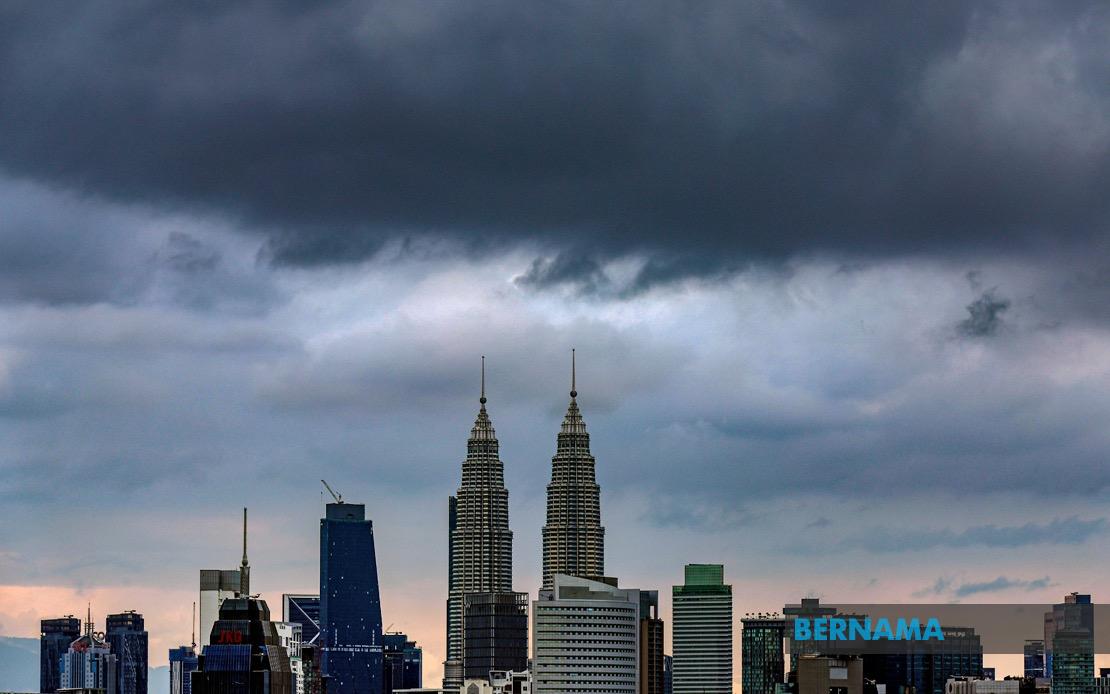
The Malaysian Meteorological Department has issued a weather alert across a significant portion of the Klang Valley and surrounding regions, warning of potentially hazardous conditions including thunderstorms, torrential downpours and gusty winds expected to affect the area until 3 pm. The warning encompasses the federal territories of Kuala Lumpur and Putrajaya, alongside eight other federal and state jurisdictions, affecting millions of residents and commuters across Malaysia's most densely populated corridor.
In Kedah, the department has identified seven districts as falling within the warning zone: Yan, Pendang, Kuala Muda, Sik, Baling, Kulim and Bandar Baharu. These northern districts represent a significant portion of Kedah's populated areas and agricultural heartland. Perak has similarly been placed on alert for Kerian and the Larut, Matang and Selama region, covering important population centres and commercial zones in the state's northern sections.
The entire state of Penang has been included in the warning, a development that carries substantial implications given the state's high population density and major commercial activities. The commercial capital of the northern region could experience significant disruptions to daily operations, transportation networks and outdoor activities. In Selangor, the department has specifically flagged seven districts: Kuala Selangor, Klang, Gombak, Petaling, Kuala Langat, Hulu Langat and Sepang, collectively representing the heartbeat of Malaysia's industrial and commercial sector.
The Pahang alert affects the Rompin district, while Negeri Sembilan residents in Seremban, Port Dickson, Rembau and Tampin have been warned to prepare for severe weather. Melaka and Johor have also been placed on alert, with Johor's warning covering the Tangkak, Segamat, Muar, Batu Pahat and Kluang districts, extending the warning zone across a vast geographic area encompassing multiple economic and population centres.
Thunderstorms of this magnitude can generate significant rainfall within short periods, creating potential flash flooding in low-lying areas and areas with inadequate drainage infrastructure. The combination of heavy downpours and strong winds poses particular risks to outdoor construction sites, temporary structures and activities along coastal areas. Commuters should anticipate disruptions to traffic flow, reduced visibility and hazardous road conditions during the warning period.
For residents and businesses across the affected regions, the meteorological department's warning represents a call to heighten preparedness and take appropriate precautions. This is particularly critical for those in flood-prone areas, where the rapid accumulation of rainfall can overwhelm drainage systems. Motorists are advised to exercise heightened caution, reduce speed on highways and avoid flooded sections of roads that may become impassable within minutes.
The geographic spread of this alert underscores the expansive nature of the weather system affecting Malaysia. Rather than an isolated phenomenon affecting one or two districts, this weather pattern encompasses major population centres, industrial zones and transportation corridors that collectively represent the economic backbone of western and central Malaysia. The timing until 3 pm suggests residents and workers should anticipate that afternoon commute periods could overlap with peak weather intensity.
Outdoor events scheduled for the afternoon should be reassessed, and organisers should consider postponement or relocation to sheltered venues. Schools and workplaces within the alert zones may face disruptions, and parents should monitor weather updates before making transportation decisions. The cumulative economic impact of such widespread weather disruptions, though temporary, underscores the importance of infrastructure investment in weather resilience and drainage capacity.
Residents are encouraged to monitor MetMalaysia's updates closely, as such weather alerts can be extended or upgraded if conditions intensify. Preparedness measures include securing loose outdoor items, ensuring roof drainage systems are clear, and keeping emergency contact numbers readily available. For those in areas historically susceptible to flooding, this represents an opportune moment to review emergency response plans and ensure family members understand evacuation procedures if necessary.

