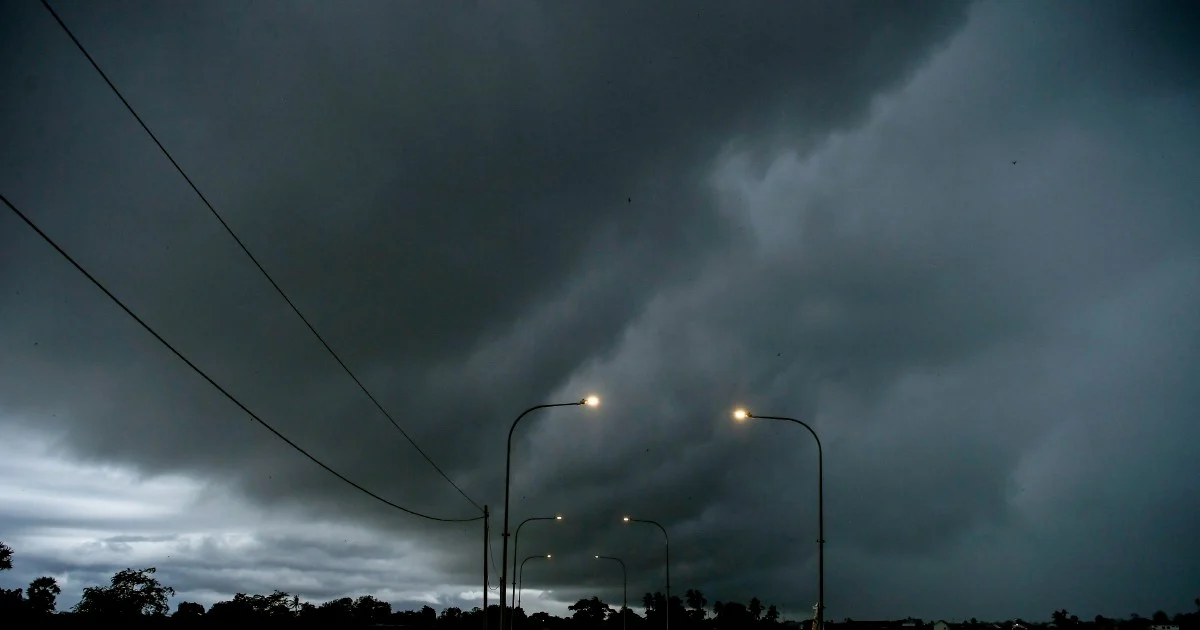
The Malaysian Meteorological Department has issued a wide-ranging weather alert affecting communities across Peninsular Malaysia as well as the states of Sabah and Sarawak in East Malaysia. The warning covers severe thunderstorm activity accompanied by heavy rainfall and potentially dangerous wind conditions, with the alert remaining in effect until 5pm today. This alert underscores the unpredictable monsoon weather patterns that characterise Malaysia's climate during certain periods of the year and emphasises the need for residents to remain vigilant.
Thunderstorms of this intensity pose multiple hazards to the public and infrastructure alike. The combination of heavy rain and strong winds can lead to sudden flooding in low-lying areas and poor drainage zones, particularly in urban settlements where stormwater systems are often strained during heavy downpours. Wind gusts accompanying such weather events have been known to topple trees, damage overhead power lines, and compromise the structural integrity of weakly constructed buildings. The alert serves as an important advisory for residents to take precautions and avoid unnecessary outdoor activities during the warning period.
For commuters and travellers across the country, such weather alerts typically necessitate adjusted travel plans and heightened caution on the roads. Reduced visibility during heavy rain combined with slippery road surfaces increases accident risk substantially, making slower speeds and greater following distances essential safety measures. Public transportation operators often experience delays and service disruptions when thunderstorms sweep through, as safety protocols mandate temporary suspensions of services during the most intense weather activity. Motorists are advised to defer non-essential journeys where possible until conditions improve after the 5pm deadline.
The alert's applicability across both Peninsular Malaysia and East Malaysia indicates a substantial weather system affecting a geographically diverse region spanning thousands of square kilometres. This widespread nature suggests the thunderstorms are part of a larger atmospheric disturbance rather than isolated localized phenomena. Understanding the scale of such weather systems helps residents and authorities comprehend the severity and plan appropriate response measures accordingly.
MetMalaysia's advance warning capability demonstrates the critical role of meteorological monitoring in modern weather forecasting across Southeast Asia. The department utilises sophisticated satellite imagery, radar systems, and computer modelling to detect developing weather patterns and issue timely advisories. These warnings provide essential lead time for government agencies, utility companies, and the general public to implement protective measures before conditions deteriorate. The specific timing of the 5pm cutoff indicates meteorologists' assessment of when the most intense weather activity is expected to diminish based on current atmospheric data and predictive models.
Schools and educational institutions across the affected regions should carefully monitor the weather alert, as such conditions occasionally necessitate early dismissal or closure decisions to ensure student safety during peak weather activity. Parents relying on public transportation for school pickups should prepare alternative arrangements if necessary and check for any official announcements from educational authorities regarding adjusted schedules. The afternoon timing of the alert means the worst conditions may coincide with dismissal periods, making coordination between schools and parents particularly important.
For vulnerable populations including the elderly, those with respiratory conditions, and individuals with mobility challenges, such weather events present additional health and safety concerns. The sudden atmospheric pressure changes often accompanying thunderstorms can exacerbate certain medical conditions, while the restriction of outdoor movement may impact those dependent on daily outdoor activities. Community organisations and healthcare providers should ensure adequate support systems are in place for these groups during the warning period.
Electricity supply disruptions remain a significant consideration during severe thunderstorms, as lightning strikes and wind damage frequently affect power distribution networks. Residents and businesses should prepare for potential outages by charging mobile devices, securing important files, and preparing alternative lighting sources. The period until 5pm provides a window for such preparatory measures before the most intense weather activity develops.
Agriculture and farming communities should take note of the warning's implications for ongoing crop management and livestock welfare. Heavy downpours can damage crops in the field, compromise irrigation infrastructure, and create challenging conditions for farm animals. Farmers in affected areas should implement protective measures for vulnerable crops and ensure adequate shelter for livestock during the warning period, assessing potential damage risks across their holdings.
As climate patterns continue to show increased variability and intensity in precipitation events across Southeast Asia, such weather alerts become increasingly frequent occurrences for Malaysian residents. Building greater awareness of appropriate responses to thunderstorm warnings—including understanding risk zones, implementing personal safety protocols, and following official guidance—strengthens community resilience against such weather phenomena. MetMalaysia encourages the public to remain updated through official channels and news sources for any amendments to the alert as atmospheric conditions develop throughout the day.
%22%2F%3E%3C%2Fpattern%3E%3C%2Fdefs%3E%3Crect%20width%3D%22100%25%22%20height%3D%22100%25%22%20fill%3D%22url(%23phc02cg)%22%2F%3E%3Crect%20width%3D%22100%25%22%20height%3D%22100%25%22%20fill%3D%22url(%23phc02cp)%22%2F%3E%3Ctext%20x%3D%2250%25%22%20y%3D%2250%25%22%20text-anchor%3D%22middle%22%20dominant-baseline%3D%22central%22%20fill%3D%22rgba(255%2C255%2C255%2C0.95)%22%20font-family%3D%22Georgia%2C%20'Times%20New%20Roman'%2C%20serif%22%20font-weight%3D%22700%22%20font-size%3D%22151%22%20letter-spacing%3D%22-0.02em%22%3ESingapore%3C%2Ftext%3E%3C%2Fsvg%3E)