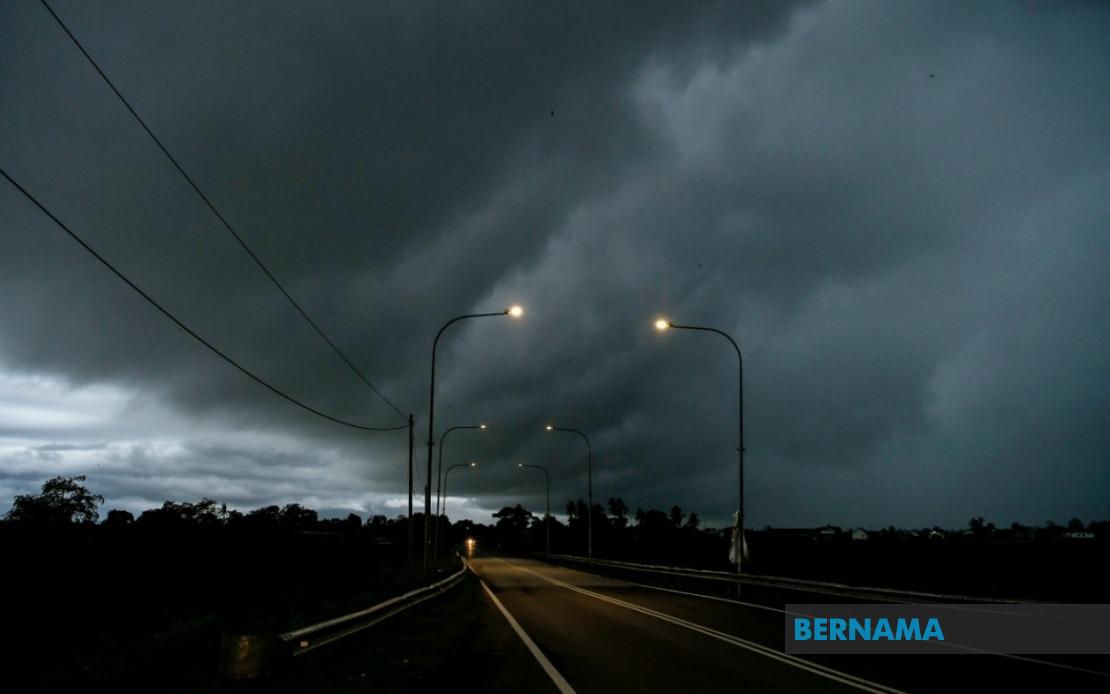
The Malaysian Meteorological Department has put residents across a significant portion of the peninsula on alert, issuing a weather warning that encompasses thunderstorm activity, intense rainfall, and potentially dangerous wind gusts affecting five states. The advisory, issued on July 11, applies to multiple districts spread across Kedah, Perak, Negeri Sembilan, Melaka, and Johor, with conditions expected to persist through the middle of the day.
In the northern state of Kedah, the warning covers the urban hub of Kota Setar along with the towns of Pokok Sena, Yan, and Pendang. These areas form part of the state's densely populated central and northern regions where sudden weather deterioration can disrupt daily activities and pose risks to commuters and residents alike. The inclusion of Kota Setar, the state capital, suggests that weather impacts could affect government and commercial operations in a major administrative centre.
The east coast state of Perak is equally affected, with the warning applying to Manjung, Bagan Datuk, and Hilir Perak. These districts encompass both coastal and riverine areas where heavy rain carries particular risks of flash flooding. Manjung, a major population centre, houses significant industrial and commercial activity, making weather advisories there operationally important for businesses and transport networks.
In the west-central region, Negeri Sembilan's Rembau and Tampin districts face similar atmospheric hazards. Both areas have experienced flooding challenges during previous heavy rain episodes, and rapid weather deterioration in these locations warrants heightened caution from residents and authorities managing drainage and waterway systems.
Melaka, the entire state, is under the warning, indicating widespread potential impact across one of Malaysia's oldest and most densely urbanised regions. Melaka's low-lying topography and proximity to sea level make it particularly susceptible to water accumulation during intense rainfall, and such weather events regularly trigger localised flooding concerns in the state's districts.
Johor, the southern peninsula's largest state, sees six of its districts flagged: Tangkak, Muar, Batu Pahat, Pontian, Kulai, and Johor Bahru. This extensive coverage reflects the broad geographical scope of the weather system affecting the peninsula, with impacts concentrated in Johor's central and southern districts as well as major urban areas like Johor Bahru.
The triad of hazards—thunderstorms, heavy rain, and strong winds—represents a compound weather risk. Thunderstorms bring the potential for localised flash flooding, particularly in areas with inadequate drainage infrastructure or prone to water pooling. Strong winds accompanying such systems can damage structures, uproot vegetation, and compromise outdoor installations, while heavy rainfall itself poses direct flooding risks, especially in low-lying residential and commercial areas.
MetMalaysia's guidance that affected residents remain vigilant reflects standard meteorological alert protocols. The emphasis on obtaining updated information through official channels underscores the rapidly evolving nature of weather conditions and the importance of residents relying on authoritative sources rather than unverified reports. MetMalaysia typically provides updates at regular intervals as conditions develop, allowing the public to adjust their plans and take appropriate precautions.
For residents and workers in these areas, practical responses include postponing outdoor activities, securing loose items that could be caught by wind, avoiding areas prone to flooding, and ensuring that drainage systems around homes and workplaces are clear. Motorists should exercise extreme caution, as reduced visibility during heavy rain and the possibility of water accumulation on roads create hazardous driving conditions. Parents and schools in affected districts may need to evaluate whether outdoor activities or sports can safely proceed.
Government agencies typically activate contingency measures when such alerts are issued. Local authorities may position emergency response teams, ensure drainage systems are operational, and prepare to address any incidents promptly. Traffic management may be heightened along major routes, and civil defence units might pre-position equipment in areas with known flooding histories.
The noon deadline for the alert suggests that the weather system was expected to move through or weaken by midday, though MetMalaysia could extend the warning if conditions persist longer than anticipated. Residents should monitor updates closely, as weather forecasts can be refined as the system approaches and its characteristics become clearer to meteorologists.
For Malaysian businesses with operations across these states, particularly those in logistics, construction, or outdoor services, such alerts necessitate rapid operational adjustments. Supply chains, project schedules, and workforce planning may all require modification to account for disrupted transport or unsafe working conditions.
This alert exemplifies the ongoing challenge of tropical weather management in Malaysia, where seasonal and intermittent systems regularly require public vigilance and coordinated response efforts. The breadth of the affected area—spanning from Kedah in the north to Johor in the south—demonstrates how a single weather system can have impacts across a substantial portion of the peninsula, affecting millions of residents and numerous economic activities.

