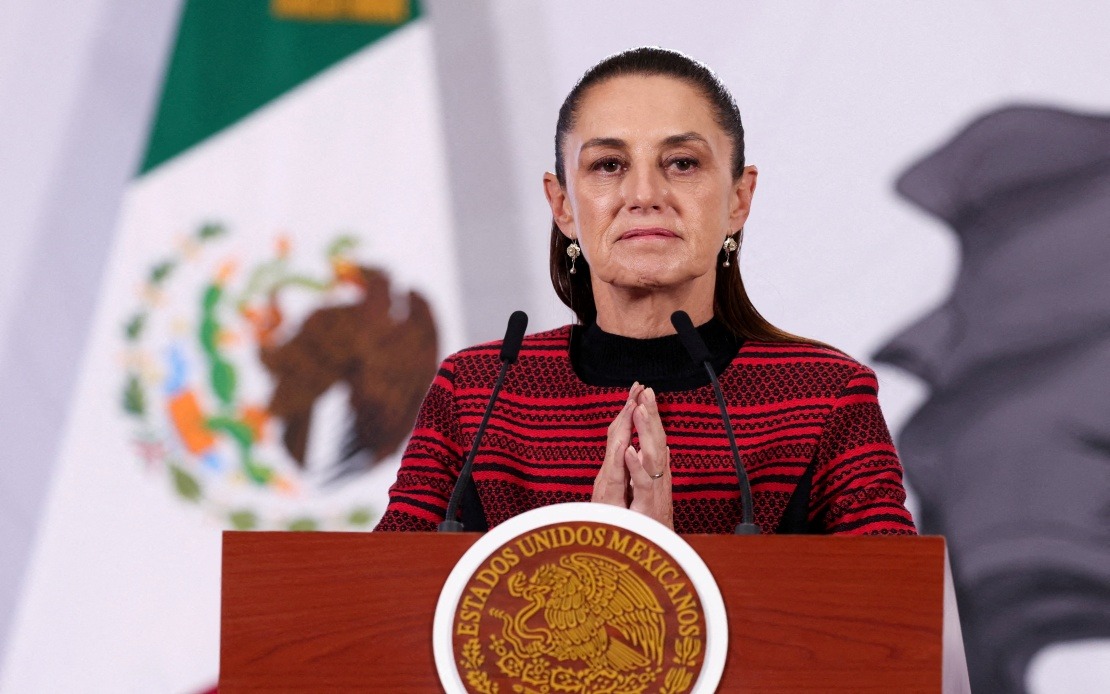
Mexican President Claudia Sheinbaum has made an unexpected decision to travel to the World Cup final at the personal invitation of United States President Donald Trump, according to reports from German Press Agency on July 18. The Mexican leader publicly confirmed the direct invitation from Trump whilst speaking with journalists on Friday, marking a significant diplomatic gesture given the current strains between Washington and Mexico City. Canada's Prime Minister Mark Carney, representing the third co-hosting nation, is also expected to attend the championship match scheduled for East Rutherford near New York.
The acceptance carries particular symbolic weight given the rocky relationship between the two neighbouring countries, which has been strained by disagreements over trade policies and cross-border security concerns. These bilateral tensions have dominated headlines in recent months, making Sheinbaum's decision to accept the invitation a noteworthy move that could signal a willingness to engage diplomatically at the highest levels. For Malaysian observers tracking international relations, this episode highlights how sporting events continue to serve as venues for political engagement and relationship-building, even when formal diplomatic channels are under strain.
Sheinbaum and Trump have limited personal history with one another, having met only once previously. That encounter took place in December at the World Cup draw ceremony held in Washington, meaning the World Cup final would represent only their second face-to-face meeting. Building such relationships through informal settings like major sporting events can sometimes prove more productive than rigid formal protocols, allowing leaders to develop personal rapport that may facilitate smoother negotiations on contentious issues.
The decision carries additional irony given Sheinbaum's earlier stance on the tournament itself. On June 11, when the World Cup opening ceremony took place at the Azteca Stadium in Mexico, the Mexican president chose not to attend in person. Rather than simply skipping the event, she made a deliberate symbolic gesture by giving her ticket to an indigenous woman known to be a passionate football enthusiast. This act reflected her commitment to inclusivity and accessibility, but it also meant she missed her nation's ceremonial hosting moment for the tournament.
Accommodating the World Cup final attendance required logistical adjustments to Sheinbaum's official schedule. Mexican media outlets reported that her itinerary in Quintana Roo, a state in southeastern Mexico, was modified to create space for the New York trip. Such scheduling changes at the presidential level involve considerable coordination among multiple government agencies and the cancellation or rescheduling of other commitments, underscoring the importance placed on this particular engagement.
The final will pit Argentina against Spain, with both nations bringing considerable football pedigree and passionate supporter bases to the contest. Spain's royal family is expected to provide substantial representation at the match, with King Felipe VI, Queen Letizia, Crown Princess Leonor, and Infanta Sofía all planning to attend in support of their national team. The presence of multiple heads of state and members of royal families transforms the sporting spectacle into a major international political and social event.
Argentina's approach to the final differs markedly from most attending dignitaries. President Javier Milei has chosen not to watch the championship match from within the stadium itself, citing superstitious considerations deeply rooted in Argentine football culture. These superstitious rituals, known locally in Argentina as traditional practices believed to influence outcomes, reflect how deeply embedded football is in Argentine national identity and decision-making at all levels of society. Milei's decision to forego stadium attendance for superstitious reasons demonstrates that even modern political leaders can be influenced by cultural traditions and folk beliefs surrounding the sport.
For Southeast Asian readers and policymakers, this development offers several instructive lessons about contemporary international diplomacy. First, it demonstrates that high-level political engagements continue to occur through sporting channels even when official relations are strained. Second, it shows that leaders are willing to invest time and effort in attending major sporting events as part of broader diplomatic strategies. Third, it highlights how personal relationships between leaders, however limited, can be nurtured through informal settings and shared experiences.
The participation of multiple world leaders at the World Cup final elevates the event beyond its sporting significance into a venue for informal multilateral engagement. Sheinbaum's attendance, following Trump's personal invitation, creates an opportunity for bilateral discussion outside the formal constraints of official meetings. Given the ongoing disagreements between Mexico and the United States on trade and security matters, such informal settings often prove valuable for exploratory conversations and relationship maintenance. Whether the final itself becomes a venue for substantive negotiations or merely serves as a backdrop for cordial interactions, its diplomatic importance cannot be overlooked.
From a Malaysian perspective, the tournament itself represents a significant moment in global sports and international relations, with Southeast Asian nations watching closely how regional powerhouses manage their external relationships. The willingness of nations to use sporting events as diplomatic platforms reflects the universal understanding that football transcends politics whilst simultaneously serving political purposes. As Malaysia continues to navigate its own regional relationships and international engagements, the example of how major sporting events can facilitate dialogue between nations with divergent interests offers practical insights into soft diplomacy and relationship management on the global stage.

