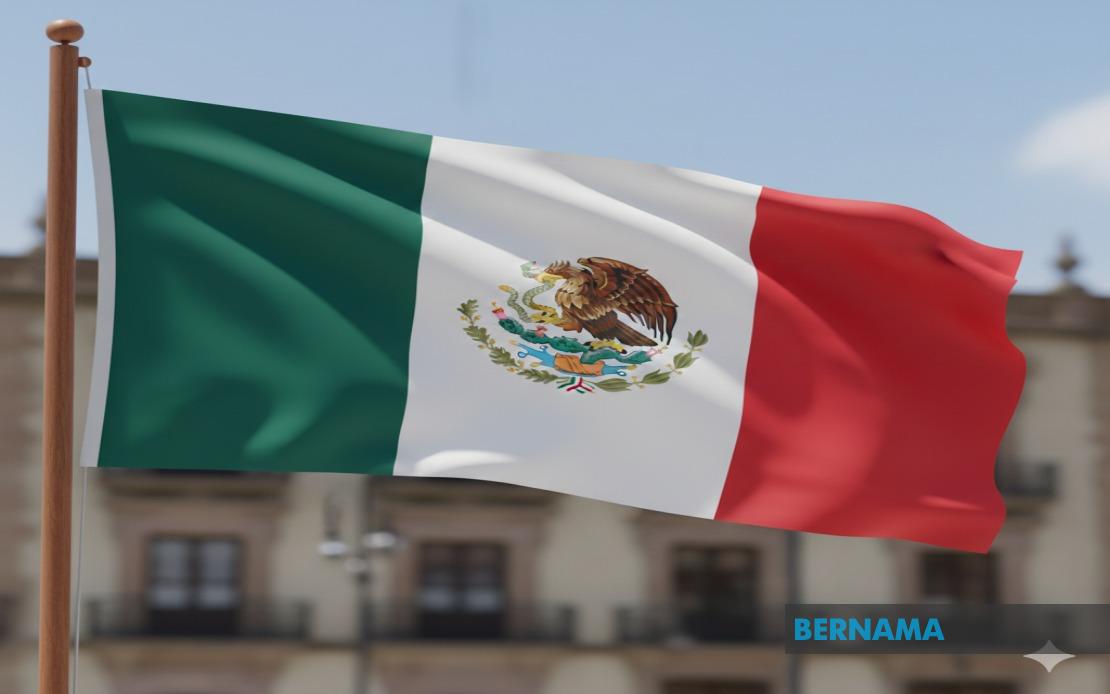
Mexico is taking its grievances over the deaths of Mexican citizens in connection with United States immigration enforcement directly to the international stage, having formally asked the UN High Commissioner for Human Rights to investigate a series of fatalities linked to the Immigration and Customs Enforcement agency. Foreign Minister Roberto Velasco submitted a letter to High Commissioner Volker Türk this week requesting a comprehensive examination of the deaths and seeking disclosure from Washington authorities about the circumstances surrounding them.
The diplomatic escalation marks a significant shift in Mexico's approach to what has become an increasingly contentious issue straining bilateral relations. For years, Mexico operated primarily through official channels and diplomatic protests, but President Claudia Sheinbaum signalled last week that the government would no longer confine itself to traditional diplomatic remedies. Instead, Mexico intends to pursue legal accountability against individuals responsible for the deaths, combining international pressure with formal litigation.
The scope of the tragedy is substantial. According to Mexico's government, three citizens have been killed during active ICE operations, while fourteen others have died whilst in deportation detention facilities. These figures underscore a pattern that extends beyond isolated incidents and suggests systemic concerns about the treatment and safety of Mexican nationals within the American immigration enforcement system. The UN's involvement could bring international scrutiny to practices that Mexican officials contend violate fundamental human rights principles.
The High Commissioner's office has been asked to assess whether the documented incidents align with the United States' obligations under international human rights law, formulate recommendations for preventing future deaths, and if warranted, escalate the matter to specialized UN Human Rights Council procedures. This multi-layered approach aims to create both immediate accountability mechanisms and longer-term institutional change within how the United States conducts immigration enforcement operations.
Simultaneously, Mexico is mobilizing its domestic legal system. The Mexican Attorney General's Office is preparing a formal complaint to be submitted to the US Justice Department through Mexico's Washington embassy. This complaint will document the cases and demand investigation and accountability. Beyond the federal level, Mexican embassies and consulates throughout the United States have begun filing separate complaints with state-level prosecutors in jurisdictions where deaths occurred. This multi-jurisdictional strategy recognizes that both federal immigration enforcement and state authorities may bear responsibility for ensuring detainee safety.
Mexico has also begun sending legal cease-and-desist letters to detention facilities involved in the deaths. The Adelanto detention centre in California received the first such letter, representing a formal legal step that precedes potential civil lawsuits. These letters serve as official notification that Mexico is asserting claims against the facilities and establishing a documented record of Mexico's formal objections to conditions and practices within them. The strategy suggests Mexico is preparing ground for substantial litigation against both federal agencies and private detention operators.
The most recent case illustrating the tensions involves Lorenzo Salgado Araujo, a Mexican national fatally shot by an ICE officer on July 7 in Houston. Salgado Araujo had established deep roots in the Houston area over more than thirty years, operating a construction business and maintaining community ties. According to the US Department of Homeland Security's account, Salgado Araujo failed to comply with officers' commands, struck a law enforcement vehicle with his car, and then attempted to hit an officer with his vehicle, prompting the officer to open fire.
However, this official narrative has been contested by those close to Salgado Araujo, civil rights organizations, and American Democratic politicians who have called for an independent investigation into the shooting. The divergence between the government's justification and relatives' accounts reflects a broader pattern of disputes over how ICE conducts enforcement operations and whether lethal force is being deployed proportionally. For Malaysia and other Southeast Asian nations with citizens in the United States, the situation raises questions about the safety and due process protections afforded to foreign nationals in American custody.
Mexico's decision to involve the UN reflects recognition that bilateral diplomatic channels alone have proven insufficient to address what Mexican officials characterize as a systemic problem. By internationalizing the issue, Mexico can leverage international legal mechanisms and bring global attention to the cases, potentially influencing how the United States approaches immigration enforcement. The UN's involvement also creates a formal record that could influence future international relations discussions and serve as precedent for other nations advocating for their citizens abroad.
The implications extend beyond Mexico-US relations. For Southeast Asian countries, particularly those with significant expatriate communities in North America, Mexico's assertive legal strategy offers a potential model for protecting citizens and demanding accountability from powerful receiving nations. The approach demonstrates that even nations sharing long borders and extensive economic ties with the United States can pursue formal legal remedies when citizens face harm. As immigration enforcement intensifies globally, the precedent Mexico establishes could influence how other nations respond to similar situations involving their citizens.
The convergence of UN intervention, federal complaints, state-level litigation, and cease-and-desist letters represents a comprehensive legal assault on the practices Mexico views as dangerous and unaccountable. Whether this multi-pronged approach will successfully compel changes to ICE operations or result in compensation for affected families remains uncertain. However, Mexico has clearly signalled that it will no longer accept such deaths as inevitable costs of immigration enforcement, instead positioning them as violations of international law requiring investigation and remedy.

