The Malaysian Golf Association has formally requested government backing to establish a dedicated national coach position, signalling its determination to mount a competitive challenge at the 2027 SEA Games when Malaysia hosts the biennial sporting festival. During recent discussions with the Ministry of Youth and Sports, MGA leadership raised the structural gaps in the sport's development pathway and identified the absence of a permanent coaching position as a critical bottleneck to systematic team preparation.
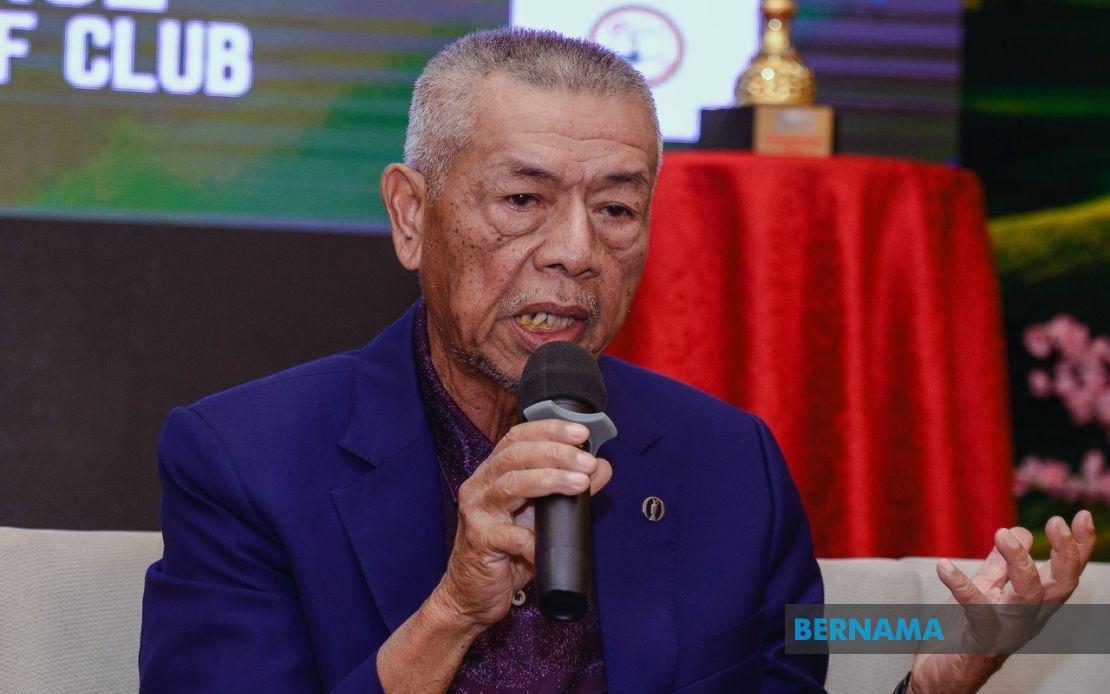
MGA president Tan Sri Mohd Anwar Mohd Nor outlined the ambitious vision during the launch of the 100PLUS MGA National Junior Development Programme Junior Series 2026 at The Mines Resort & Golf Club, underscoring the association's commitment to building a robust competitive framework. The establishment of such a position would enable MGA to implement a cohesive long-term strategy rather than relying on ad-hoc arrangements or external consultants. Anwar stressed that identifying and recruiting a coach of international standing remains essential to the federation's broader ambitions of elevating Malaysian golf's profile across Southeast Asia.
The discussions with Ministry of Youth and Sports secretary-general Datuk Rahimi Ismail reflect growing recognition within Malaysia's sports administration that golf, despite its potential, has operated with structural limitations compared to other Olympic and Commonwealth sports. The sport in Malaysia has historically struggled to attract sustained government investment in coaching infrastructure, talent identification systems, and competitive development pipelines. By securing ministerial support for this investment, MGA believes it can transition from a reactive to a proactive model of athlete development.
Cooperation between MGA, the Ministry, and the National Sports Council will prove pivotal to realising these objectives. Anwar emphasised that collaborative frameworks are necessary to navigate bureaucratic pathways and unlock funding mechanisms that support sports development nationally. Such coordination enables better alignment of MGA's strategic initiatives with broader government sports policy and creates pathways for accessing technical expertise and resources that individual sporting bodies cannot mobilise independently.
Beyond the coaching appointment, MGA has conceived a multi-faceted preparation strategy spanning geographic expansion and enhanced training methodologies. The association is exploring the possibility of conducting specialised training programmes in Sarawak, reflecting recognition that Malaysia's diverse geography offers distinct training environments suited to different aspects of competitive development. This approach mirrors international best practices where elite sports programmes utilise varied terrain and climate conditions to build athlete resilience and adaptability.
Anwar's recent engagement with Sarawak's Minister of Youth, Sports and Entrepreneur Development, Datuk Seri Abdul Karim Rahman Hamzah, demonstrates MGA's proactive approach to mobilising state-level support. Sarawak's golf facilities and geographical characteristics present opportunities for intensive training blocks that complement metropolitan-based programmes. State-level partnerships also expand the talent pipeline by bringing junior golfers from Sarawak into the national development system, potentially uncovering prospects who might otherwise remain outside the federation's awareness.
The timing of these initiatives reflects the compressed window available before September 2027, when Malaysia assumes hosting responsibilities. Unlike nations with established national training centres and full-time coaching structures, Malaysian golf must compress several years' worth of institutional development into approximately three years. This urgency explains why MGA has shifted from requesting modest incremental support to advocating for structural changes that address fundamental gaps in the sport's infrastructure.
From a Southeast Asian perspective, Malaysia's investment in golf coaching reflects the region's increasing competitiveness across individual sports disciplines. Several ASEAN nations have upgraded their coaching and technical support systems in recent years, creating a more challenging competitive environment. Thailand and Indonesia have both strengthened their golf programmes through sustained investment and international recruitment of technical expertise. By securing a dedicated national coach, Malaysia seeks to prevent a competitive slide and establish a foundation for sustained excellence across the 2027 Games and beyond.
The announcement of the 100PLUS MGA National Junior Development Programme Junior Series 2026 must be understood within this strategic context. Youth development programmes generate measurable returns only when embedded within comprehensive systems that include elite coaching, competitive pathways, and sustained funding commitments. Without a permanent national coach to oversee talent progression and maintain consistent standards across development tiers, even well-designed junior programmes risk producing athletes unprepared for the intensity of international competition.
The Ministry's receptiveness to MGA's proposals will significantly influence Malaysian golf's trajectory. Government investment in coaching positions carries symbolic weight beyond the individual appointment—it signals recognition that golf merits comparable developmental support to other sports within Malaysia's national sports agenda. Successful establishment of this role could catalyse broader institutional improvements, from facility development to sports science support and athlete welfare frameworks.
MGA's strategic engagement with both national and state-level authorities demonstrates sophisticated understanding of how resource allocation and institutional cooperation function within Malaysia's political structure. By building relationships across multiple government stakeholders rather than relying solely on federal-level negotiations, the association has created multiple pathways to achieving its objectives. This distributed approach increases the likelihood of securing support and ensures that preparations benefit from the expertise and resources available across different governmental levels.