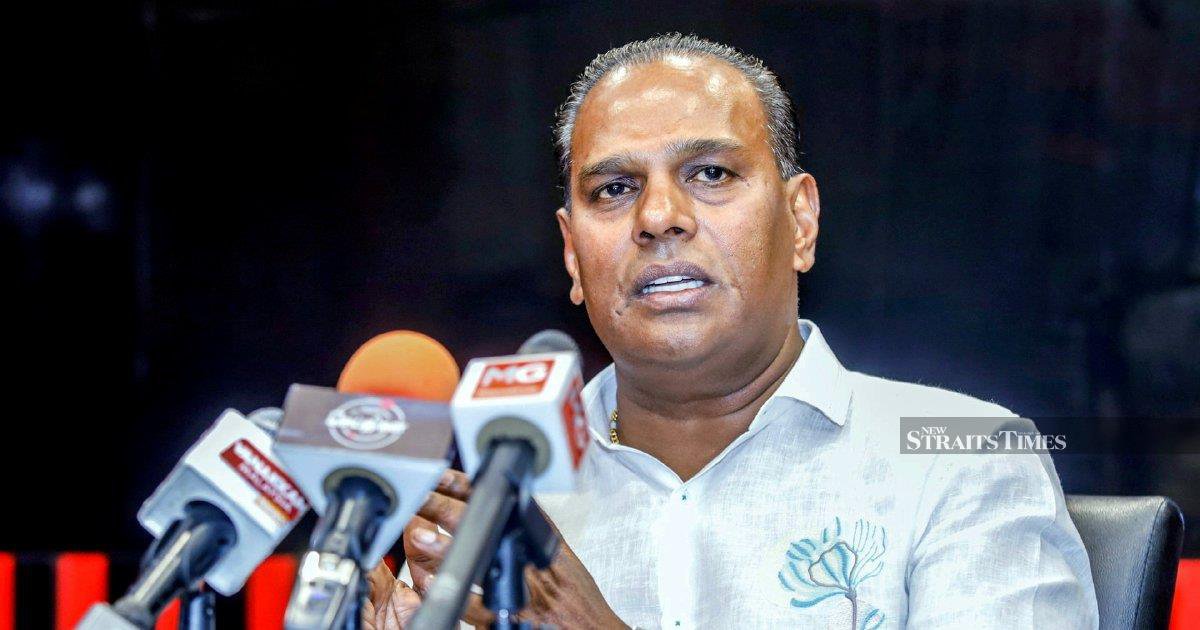
Datuk Seri M. Saravanan, the deputy president of the Malaysian Indian Congress (MIC), announced on Wednesday that he will stand before magistrates at the KL Sessions Court to be formally charged in connection with an ongoing investigation. The prominent political figure's appearance marks another significant development in a matter that has drawn considerable attention within Malaysia's political establishment and the Indian-Malaysian community broadly.
Saravanan's confirmation of his court appearance comes as the case enters a critical phase. The formal charging process represents a transition from investigative proceedings to the judicial process proper, where evidence will be presented and the accused permitted to enter a plea. The specific nature of the charges against the MIC deputy leader remains a focal point of public speculation, though details have been carefully managed by legal and party representatives.
The MIC, a component party within the Barisan Nasional coalition, has maintained a prominent position in Malaysian politics for decades, particularly in representing the interests of the Indian-Malaysian demographic. Saravanan's position within the party hierarchy makes this matter of particular significance to the organisation's leadership and its grassroots members, many of whom view this development with concern regarding both his personal standing and potential implications for party stability.
The timing of the court proceedings carries weight given Malaysia's broader political landscape. The country has experienced considerable institutional scrutiny in recent years, with high-profile cases involving political and business figures becoming increasingly common. This particular matter is therefore viewed through the lens of whether independent judicial processes remain robust and whether prominent political actors face equal accountability regardless of their standing.
Indian-Malaysian community leaders and civil society observers have expressed varied perspectives on the case. Some have called for transparency in the judicial process, emphasizing the importance of fair proceedings and due process, while others have suggested that the matter reflects broader governance questions affecting Malaysia's political institutions. The MIC itself has indicated that it will await the outcome of court proceedings before making definitive statements regarding the internal party implications.
From a legal perspective, Saravanan's decision to confirm his appearance rather than seek postponement suggests a strategic choice by his legal team. Court appearance confirmation often signals preparedness to proceed through the judicial process, though it may also reflect an assessment of the strength of available defences or the advisability of managing public perception through direct engagement with the justice system.
The KL Sessions Court, which handles both criminal and civil matters of higher jurisdiction, will preside over the proceedings. The court's role in this case carries implications beyond the immediate legal determination, as its handling of the matter will be observed for indications regarding the judiciary's treatment of high-profile political figures and whether investigative agencies operate within appropriate oversight mechanisms.
For the MIC and Barisan Nasional more broadly, the proceedings present a complex political calculation. The coalition has faced periodic challenges regarding internal party discipline and governance standards, and senior members' legal difficulties have occasionally created tension within its constituent parties. How the MIC navigates this situation internally—particularly regarding Saravanan's continued role and responsibilities—may influence both internal party dynamics and coalition unity perceptions among the electorate.
The case also arrives amid broader discussions within Malaysia regarding institutional accountability and governance standards. Recent years have witnessed increased public expectation for transparent and thorough investigations into allegations affecting public figures, and this particular matter will be assessed within that context. The court's proceedings will therefore carry significance beyond the individual case, contributing to perceptions regarding whether Malaysia's justice system operates with appropriate independence.
Saravanan's appearance tomorrow represents the beginning of formal judicial proceedings rather than their conclusion. Depending on the charges and complexity of the case, the court process may involve multiple hearing dates, evidence presentation, and various procedural steps before resolution. His confirmation of attendance suggests he is prepared to engage directly with the judicial process, though observers note that confirmation of appearance does not necessarily indicate acceptance of charges.
The MIC has not released detailed commentary regarding the case specifics, maintaining a position that allows for flexibility as proceedings develop. Party leadership has indicated that internal responses will be calibrated according to judicial outcomes rather than predetermined positions, suggesting a cautious institutional approach to a sensitive matter affecting both party image and an individual leader's career.
As Malaysia continues to engage with questions regarding institutional integrity and accountability, this case will be followed closely by political analysts, civil society observers, and ordinary citizens interested in how the justice system treats prominent political figures. The proceedings beginning tomorrow at the KL Sessions Court will provide initial clarity regarding charges and procedural pathway, contributing to ongoing national conversation about governance standards and judicial independence.

