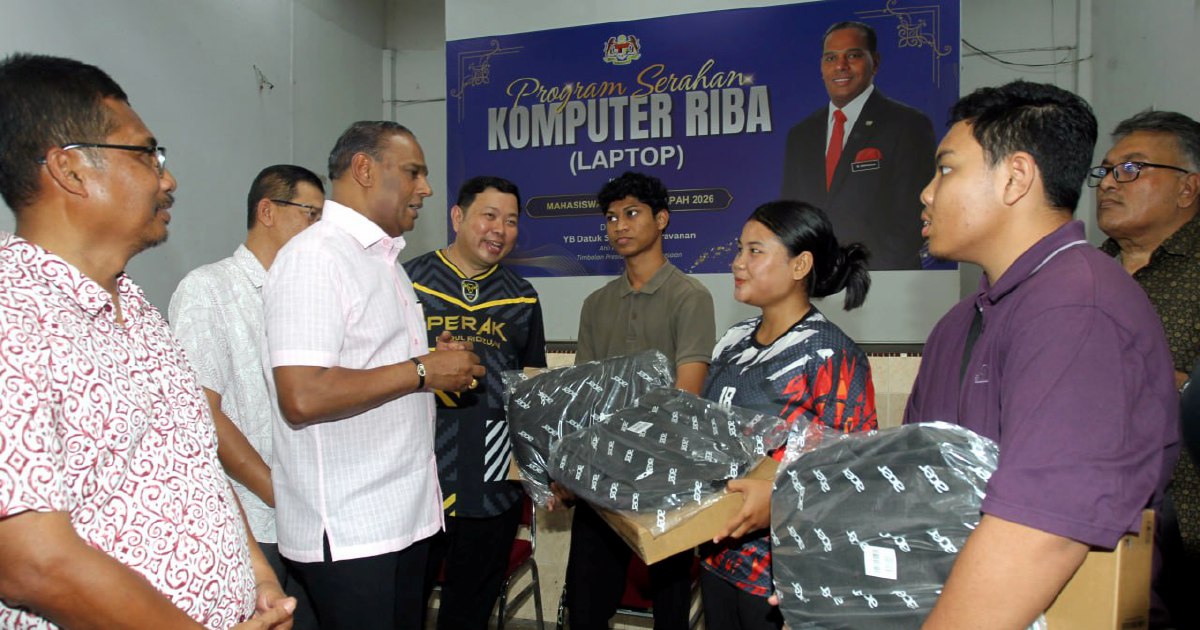
The Malaysian Indian Congress has commenced its electoral groundwork for the impending Melaka state election, undertaking a comprehensive evaluation of prospective candidates and analysing voter sentiment across the state. The party's mobilisation efforts, revealed during meetings in Tapah, signal the organisation's intention to mount a competitive campaign by identifying fresh political talent and understanding the primary concerns affecting the electorate.
The timing of MIC's preparations reflects the party's recognition that success in Melaka requires early strategic planning and careful candidate selection. Rather than approaching the polls reactively, the party is adopting a methodical approach to assess which individuals possess the qualities needed to represent constituencies effectively and connect with voters across different demographic segments. This deliberate process underscores how state elections in Malaysia demand grassroots preparation months in advance, allowing parties to build momentum and establish their campaign narratives.
Among MIC's core objectives is the identification of candidates capable of appealing to Indian voters, who constitute an important demographic bloc in several Melaka constituencies. The party is also examining the composition of what it terms "white" voters—a reference to independent or swing voters not strongly aligned with any single party—recognising that these electors often determine election outcomes in competitive seats. Understanding the political leanings and policy priorities of such voters is crucial for a party seeking to expand its representation or maintain existing seats.
The preliminary assessment phase involves evaluating potential candidates not merely on their political credentials but on their ability to address local issues and build rapport within their communities. This process typically examines factors such as grassroots influence, business experience, educational background, and public reputation. For a party like MIC operating within the broader Barisan Nasional framework, the candidate selection process also involves coordination with coalition partners to avoid internal competition and optimise seat allocation.
Key issues affecting Melaka's electorate are central to MIC's strategic calculations. The party is systematically identifying the economic concerns, infrastructure needs, and social issues that resonate most strongly with voters across different districts. In Melaka, these could encompass employment opportunities, education provision, healthcare access, and matters affecting the Indian community specifically, such as vernacular education funding and temple management issues. By understanding these priorities early, MIC can craft campaign messaging that speaks directly to voter concerns.
The voter profiling exercise reflects broader trends across Malaysian politics, where data-driven approaches to electioneering have become increasingly sophisticated. Parties now invest considerable resources in understanding voter demographics, geographic distribution, and shifting political preferences. For MIC, which has historically represented the Indian community but faces competition from opposition parties, such analysis is particularly vital for identifying both reliable support bases and areas where the party's appeal has weakened.
Melaka presents a distinct electoral landscape within Malaysian state politics. The state has experienced multiple transitions between different ruling coalitions in recent years, creating a dynamic and sometimes unpredictable political environment. This volatility makes thorough preparation essential, as parties cannot assume traditional support patterns will hold. MIC's early engagement with the electoral process suggests the party recognises that defending or improving its position in Melaka requires sustained effort and strategic sophistication.
The scope of MIC's assessment work extends beyond candidate identification to encompass broader campaign preparation. This includes resource allocation, volunteer mobilisation, and messaging development. By beginning this process well in advance of any official election announcement, the party positions itself to launch a coordinated campaign that reaches voters through multiple channels and touchpoints. Early preparation also allows time for addressing any organisational weaknesses or recruitment gaps within party structures.
For Malaysian readers, particularly those with interests in Melaka politics or Indian community representation, MIC's election preparations signal that the party views the forthcoming polls as significant for its future trajectory. The careful attention to candidate quality and voter engagement suggests a recognition that electoral success cannot be taken for granted. This approach reflects lessons learned from previous state elections where voter sentiment shifted unexpectedly, punishing parties that neglected grassroots engagement.
The Malaysian Indian Congress continues to navigate a complex political space where it must balance its traditional role within Barisan Nasional with the need to maintain relevance among younger voters and address contemporary concerns facing Indian Malaysians. The Melaka election will provide an important barometer of the party's continuing influence and its ability to mobilise supporters in a competitive electoral environment. How effectively MIC translates its preparation work into actual election performance will likely shape the party's strategic approach to future state and national polls.

