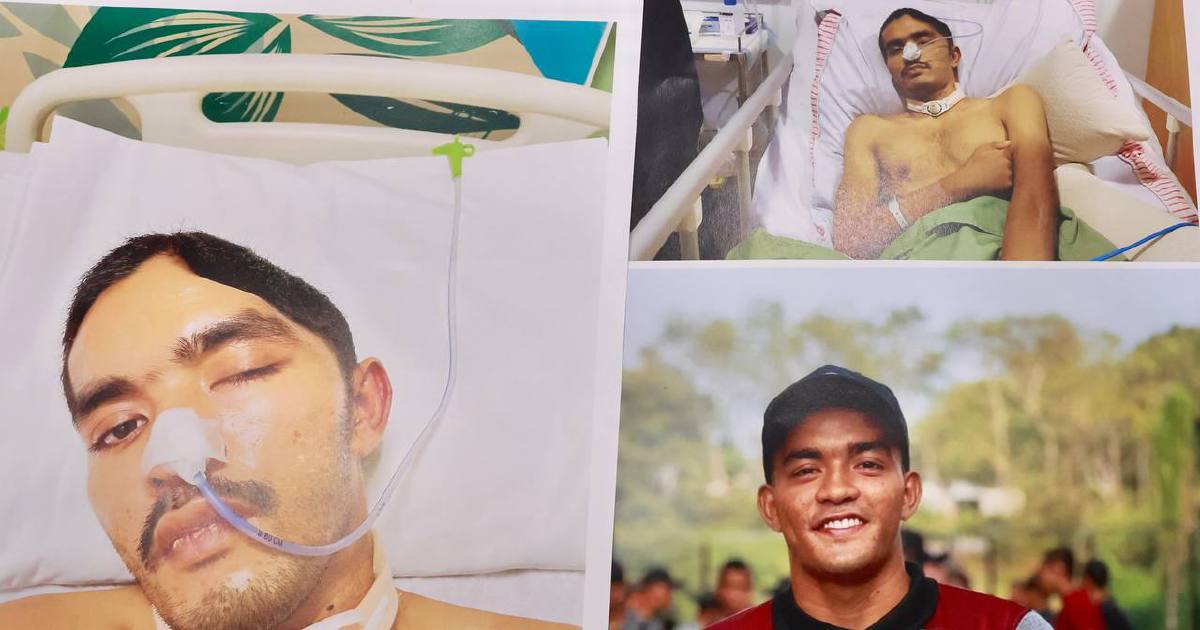
The Malaysian military has concluded its internal inquiry into the March incident that resulted in severe injuries to a commando stationed at a training facility in Johor, clearing the way for disciplinary proceedings against personnel identified as responsible. The completion of the investigation marks a significant milestone in the armed forces' response to an event that raised questions about safety protocols and oversight within military training operations.
The injury sustained by the commando at the Johor camp drew considerable attention to workplace safety standards within Malaysia's defence establishment. Military training environments, particularly those involving specialised commando units, operate under demanding conditions that require rigorous safety procedures and constant vigilance. The March incident prompted the military to launch a thorough examination of the circumstances surrounding the commando's injury, with investigators tasked with identifying contributing factors and establishing accountability.
Internal military investigations of this nature typically examine a range of variables including adherence to operational procedures, equipment functionality, supervision adequacy, and whether training protocols were properly executed. The scope of such inquiries reflects the military's obligation to protect personnel under its command while maintaining the operational effectiveness necessary for national security. The decision to move forward with disciplinary measures suggests the investigation has identified specific lapses or violations by individuals involved in the incident.
The process of dismissals now underway represents the enforcement phase of the military's institutional response. Personnel found culpable through the investigation face potential removal from service, a serious consequence that underscores the gravity with which Malaysia's defence forces regard breaches of duty and safety negligence. Such actions serve multiple purposes: holding individuals accountable, signalling to the broader military community that operational standards will be enforced, and demonstrating to the public that the institution takes internal accountability seriously.
For Malaysian military personnel and their families, the resolution of such investigations carries significance beyond the immediate case. Safety concerns within training environments have historically been a point of tension between military hierarchies and enlisted personnel. When the military transparently concludes investigations and implements disciplinary action, it reinforces the expectation that leadership takes responsibility for subordinates' wellbeing. Conversely, delayed investigations or perceived reluctance to pursue accountability can erode institutional trust and morale.
The timeline from March through to investigation completion reflects the complexity inherent in military inquiries, which must satisfy both internal command-and-control requirements and increasingly scrutinising public oversight. Defence and military affairs fall within the purview of the Ministry of Defence, and incidents involving personnel injuries typically trigger reporting obligations and stakeholder notifications. Transparent handling of such matters becomes increasingly important as Malaysian civil society develops greater expectations for institutional accountability across all sectors, including the armed forces.
From a broader Southeast Asian perspective, how individual nations manage internal military discipline and safety incidents offers insights into institutional governance. Malaysia's military, as a significant regional force and member of various multilateral security arrangements, faces scrutiny not only domestically but also from defence partners and observers concerned with professional military standards. The manner in which the country handles incidents of this nature contributes to its standing regarding military professionalism and institutional integrity.
The commando training pipeline is essential to Malaysia's defence capability, producing specialised personnel equipped to respond to security threats across diverse operational environments. Training facilities in Johor, strategically located in the nation's southern region, constitute critical infrastructure for this pipeline. When incidents disrupt training operations or raise safety questions, there is a ripple effect on force readiness and training schedules. The completion of investigations allows the military to implement any necessary procedural improvements and resume normal operations with enhanced protocols.
Going forward, the incident and its resolution may prompt broader reviews of safety standards across military training establishments. The military could leverage lessons learned from this investigation to strengthen existing protocols, enhance supervisor training, and reinforce a culture of safety alongside operational excellence. Such preventative approaches reduce the likelihood of future incidents and demonstrate that the military institution values continuous improvement and institutional learning.
The disciplinary actions now underway will extend over coming weeks and months as affected personnel move through formal processes. The military's Human Resources and legal frameworks govern how such proceedings unfold, with opportunities for affected individuals to respond to findings and appeal decisions through established channels. This procedural rigor, though sometimes lengthy, ensures that outcomes withstand scrutiny and reflect proper due process within the institutional context.

