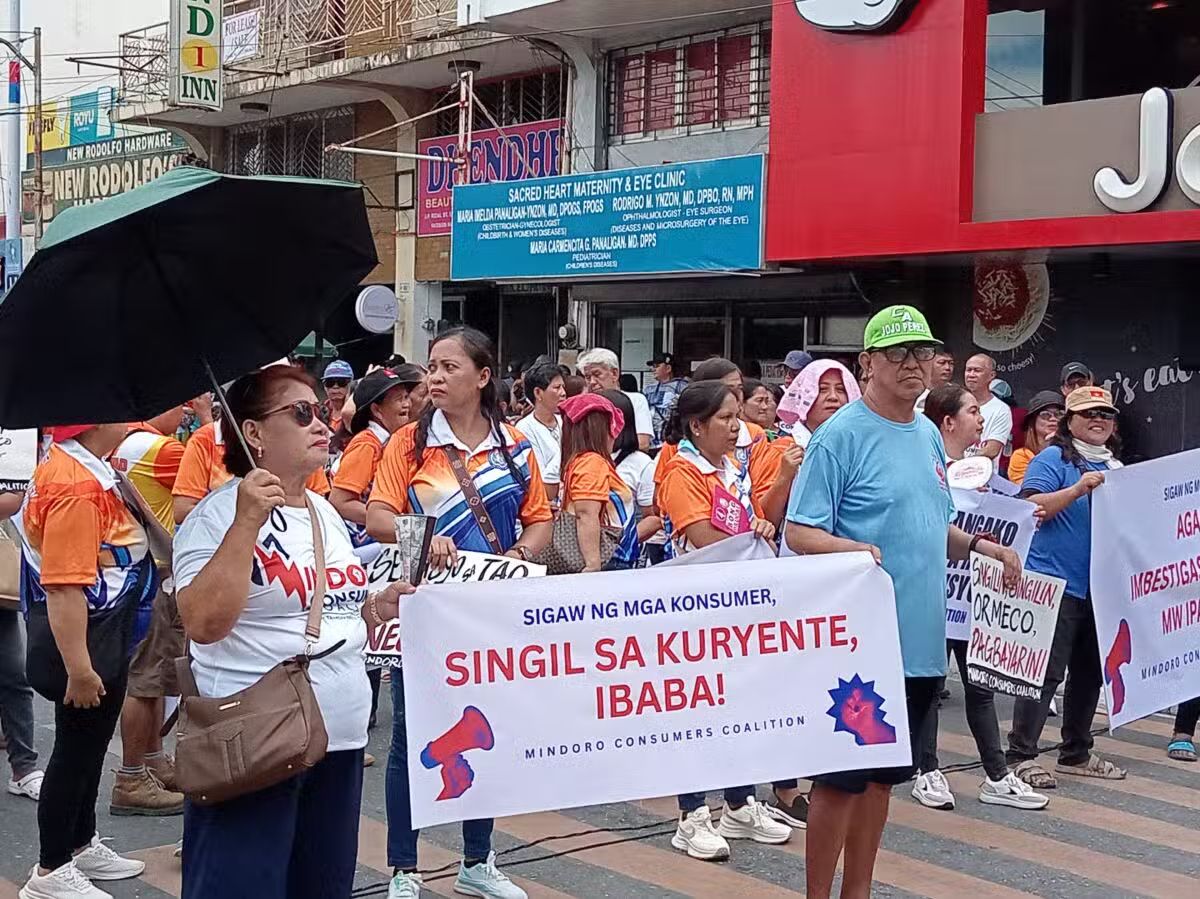
The Mindoro Consumers Coalition has taken aim at Oriental Mindoro Electric Cooperative's account of why it reduced electricity rates by P1 per kilowatt-hour, arguing the cooperative is misrepresenting the reasons behind the cut and masking deeper issues with how the utility manages its costs and communicates with the public. The consumer group, which staged a protest rally in Calapan City on Saturday, contends that the power cooperative's claim attributing the reduction entirely to cheaper electricity from a newly operational independent power producer does not hold scrutiny when examined against the timeline and structure of existing supply contracts.
According to the coalition, two supply contracts under the 57-megawatt Competitive Selection Process—specifically Lots IV and VII—have been running for a full year without any form of subsidy. This timeline undermines the cooperative's suggestion that the rate cut represents a sudden windfall from new supply sources. If those contracts have been operational for twelve months already, the coalition argues, the benefits from cheaper power should have been reflected in consumer bills long before now. The group's logic suggests that management had the ability to pass savings along to customers at any point during that year, raising questions about why it chose to do so only recently and whether other factors were at play.
The coalition has also clarified what it sees as a misleading statement from ORMECO regarding how many independent power producers now serve the region. When the cooperative references two operational IPPs, the consumer group notes, it is speaking only about the generators contracted through the 57-megawatt competitive process, not the full complement of power sources supplying Oriental Mindoro. This distinction matters because it suggests the cooperative's narrative about newly available cheap power is incomplete and potentially designed to downplay management's discretion in setting rates.
Beyond the immediate rate-cut dispute, the Mindoro Consumers Coalition has raised more systemic concerns about how ORMECO operates and reports its financial position. The group has highlighted what it describes as troubling inconsistencies in the cooperative's public statements and regulatory filings. Most notably, the coalition points to a significant gap between the system loss rate ORMECO reports to the National Electrification Administration and the actual charges it passes to consumers. The cooperative claims system losses stand at 10 percent when filing reports with the regulator, yet consumers see charges reflecting a 17.5 percent loss rate.
This discrepancy is particularly significant in the Philippine context, where electricity cooperatives operate under regulatory oversight precisely to protect consumers from cost-shifting and opaque pricing structures. System losses—which account for electricity lost during transmission and distribution—are legitimate operational costs that must be borne somewhere in the rate structure. However, when reported figures to regulators diverge sharply from actual customer charges, it raises fundamental questions about what information the utility is providing to oversight bodies and whether those bodies are effectively monitoring compliance. The difference between 10 percent and 17.5 percent represents a substantial portion of customer bills and cannot be dismissed as rounding error.
The consumer group's challenge to ORMECO's narrative reflects growing sophistication among utility customers across Southeast Asia in scrutinising the relationship between operational costs, regulatory reporting, and final bills. As electricity demand surges across the region and cooperatives increasingly source power from multiple generators, customers are demanding clearer explanations for rate movements and tighter accountability for how utilities justify their charges. In the Philippines, where many provinces depend on cooperatives rather than large commercial utilities, consumer activism can meaningfully influence regulatory outcomes and corporate behaviour.
ORMECO General Manager Engr. Humphrey Dolor has maintained that the July reduction of P1.06 per kilowatt-hour resulted directly from the new generating capacity coming online under the competitive selection process contracts. However, the consumer coalition's interrogation of timelines and reporting practices suggests this explanation, while perhaps containing an element of truth, does not account for the full picture of how the cooperative manages its finances and communicates with regulators versus paying customers. The cooperative has not yet publicly addressed the 7.5 percentage-point gap between reported and actual system loss figures.
The coalition is calling on Congress and relevant government agencies to launch formal investigations into ORMECO's supply contracts and pricing methodology. This escalation reflects a recognition that consumer complaints alone may not prompt the transparency the group believes the utility owes to its customers. Formal legislative or regulatory scrutiny could compel the release of contract details, audits of system loss calculations, and comparative analysis of ORMECO's costs and rates against similar cooperatives elsewhere in the Philippines. Such investigations have historically been instrumental in uncovering cost-padding and unjustified rate structures in utility sectors across the region.
The broader context for this dispute involves the ongoing liberalisation of the Philippine power sector, which has gradually introduced competition into generation while maintaining utility companies as monopoly distributors. This model creates the conditions for exactly the kind of ambiguity the Mindoro coalition is flagging—cooperatives can cite falling wholesale prices as justification for selective rate cuts while retaining substantial discretion over how they pass savings to customers. Without aggressive consumer oversight and regulatory transparency, the benefits of wholesale market competition may accrue disproportionately to utility shareholders and management rather than to households and businesses.
For Malaysian observers, the Mindoro dispute offers insights into emerging consumer power dynamics in Southeast Asian utilities. While Malaysia's larger utilities operate under different regulatory structures, the fundamental tension between utility discretion and consumer transparency is universal. As electricity costs continue climbing across the region and more communities seek explanations for their rising bills, the willingness of consumer groups to demand detailed justification—and the sophistication with which they challenge official narratives—will likely become a defining feature of the sector's political economy.

