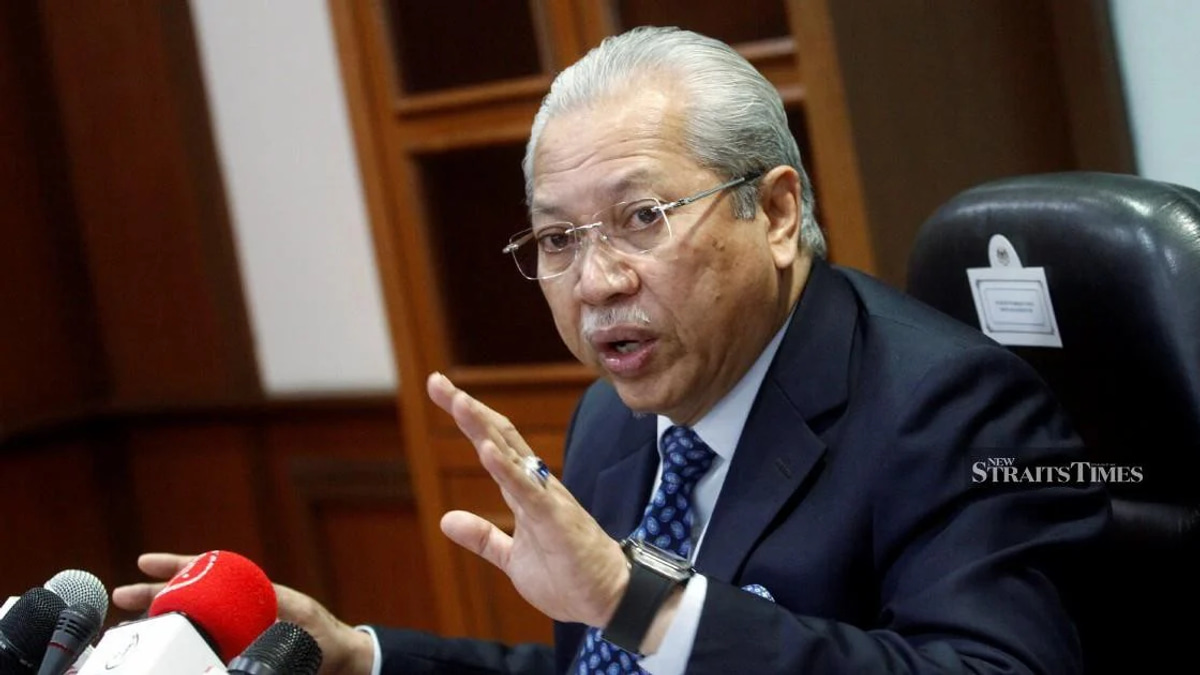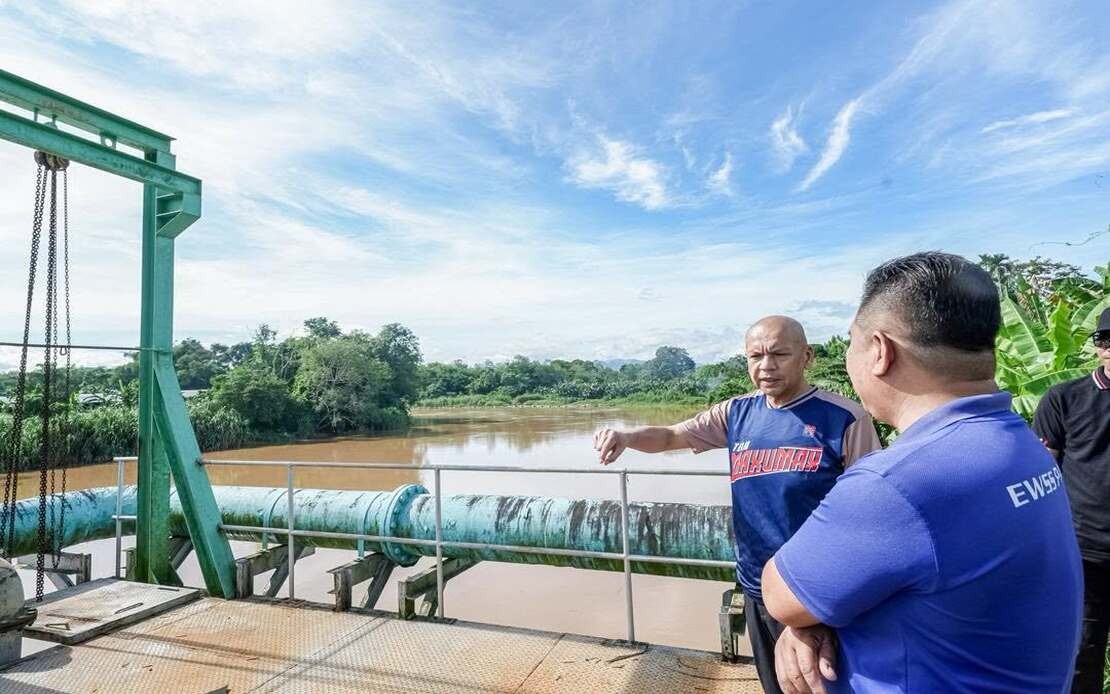
Domestic Trade and Cost of Living Minister Datuk Armizan Mohd Ali has conducted a comprehensive inspection of water supply infrastructure projects across Papar district, seeking to gauge progress and address persistent supply challenges facing the community. The on-site review, undertaken in his capacity as Member of Parliament for Papar, follows a detailed briefing session convened on June 15 to assess implementation status of several water stabilisation initiatives targeting the region.
Two major enhancement projects currently under execution form the backbone of Papar's water supply expansion strategy. The first involves upgrading the Kogopon Water Treatment Plant to double its current capacity from 40 million litres per day to 80 million litres per day, a significant step toward meeting surging domestic and commercial demand. Complementing this effort is an upgrade to the Kampung Kabang intake facility, which serves as a critical collection point for raw water entering the treatment network. Together, these projects represent substantial capital investment aimed at modernising aging infrastructure and bolstering system resilience.
The district's water supply constraints reflect broader Southeast Asian urbanisation challenges, where population growth and economic development consistently outpace infrastructure expansion. Papar, situated within Sabah's growing economic sphere, has witnessed accelerating demand that existing facilities struggle to accommodate during peak usage periods. The twin upgrade programme directly addresses this bottleneck by increasing both treatment volume and raw water sourcing capacity, enabling the system to serve expanding residential and commercial sectors without the supply interruptions that have periodically disrupted normal operations.
However, the inspection revealed more immediate operational complications that complicate delivery schedules. Both the EWSS Plant and JETAMA Limbahau Plant, crucial nodes in Papar's distribution network, experienced recent shutdowns stemming from elevated turbidity levels in raw water supplies. Turbidity, measured in nephelometric turbidity unit (NTU) values, reflects suspended particles and sediment concentration in untreated water. When inlet turbidity exceeds treatable thresholds, treatment processes become ineffective, forcing preventive facility closures to avoid contamination risks and protect public health.
The raw water quality deterioration that prompted these temporary shutdowns underscores seasonal challenges common across Malaysian water systems. Tropical rainfall patterns, vegetation runoff, and agricultural activities upstream of collection points frequently elevate turbidity during monsoon periods and post-rainfall conditions. Such natural variability, compounded by aging catchment infrastructure and inadequate pre-treatment mechanisms, creates operational unpredictability that impacts downstream consumers. The temporary closures, while necessary for water safety, disrupted supply to households and businesses until raw water conditions stabilised sufficiently for normal treatment resumption.
Armizan's direct field assessment reflects recognition among water authorities that frontline operational challenges require hands-on ministerial oversight rather than reliance solely on routine reports. By personally examining treatment plant facilities, monitoring equipment, and workforce conditions, the minister gained granular understanding of technical constraints and staff capabilities that shape infrastructure performance. Such visibility proves essential for coordinating rapid response protocols when disruptions occur and for identifying operational bottlenecks that impede optimal facility function.
The inspection also signals heightened political attention to water services, a perennially contentious issue across Malaysia where supply interruptions generate substantial public frustration. For rural and semi-urban districts like Papar, unreliable water access carries economic consequences affecting agricultural productivity, business operations, and quality of life. The ministerial visit, coupled with accelerated project implementation schedules, demonstrates governmental commitment to stabilising supplies and reducing frequency and duration of service interruptions.
The Papar water situation carries implications extending beyond district boundaries. Sabah, as one of Malaysia's less densely populated states, faces unique water infrastructure challenges characterised by dispersed populations, difficult terrain, and limited economies of scale that inflate per-capita development costs. Solutions developed in Papar—whether technological innovations in treatment efficiency or operational protocols managing raw water variability—offer replicable models for similarly constrained districts throughout East Malaysia and beyond.
Moving forward, sustainable resolution requires multifaceted approaches transcending infrastructure expansion alone. Watershed management and source water protection deserve equal priority to treatment capacity, reducing turbidity at source rather than solely responding downstream. Integration of advanced monitoring systems enabling real-time turbidity detection would facilitate proactive operational adjustments, minimising consumer impact when raw water quality fluctuates. Additionally, planned treatment plant upgrades should incorporate enhanced pre-treatment and sediment removal capabilities specifically designed for tropical conditions characterising Papar's water sources.
The six-month window anticipated for completing major upgrade projects establishes critical timeline pressures, particularly given seasonal variations in raw water quality and potential construction delays inherent to infrastructure development in remote areas. Procurement challenges, labour availability, and supply chain disruptions compound execution risks. Armizan's emphasis on field monitoring seeks to accelerate problem resolution and maintain project momentum through direct stakeholder engagement and rapid escalation of implementation obstacles.
For Papar residents experiencing periodic supply interruptions, the inspection represents tangible evidence of priority attention from federal authorities and concrete progress toward lasting stability. However, short-term relief depends equally on immediate operational improvements at existing facilities—enhanced pre-treatment protocols, workforce training optimisation, and raw water source diversification—rather than awaiting full infrastructure completion. The minister's dual focus on long-term structural solutions and near-term operational excellence reflects pragmatic understanding that sustainable water security requires simultaneous action across multiple implementation horizons.