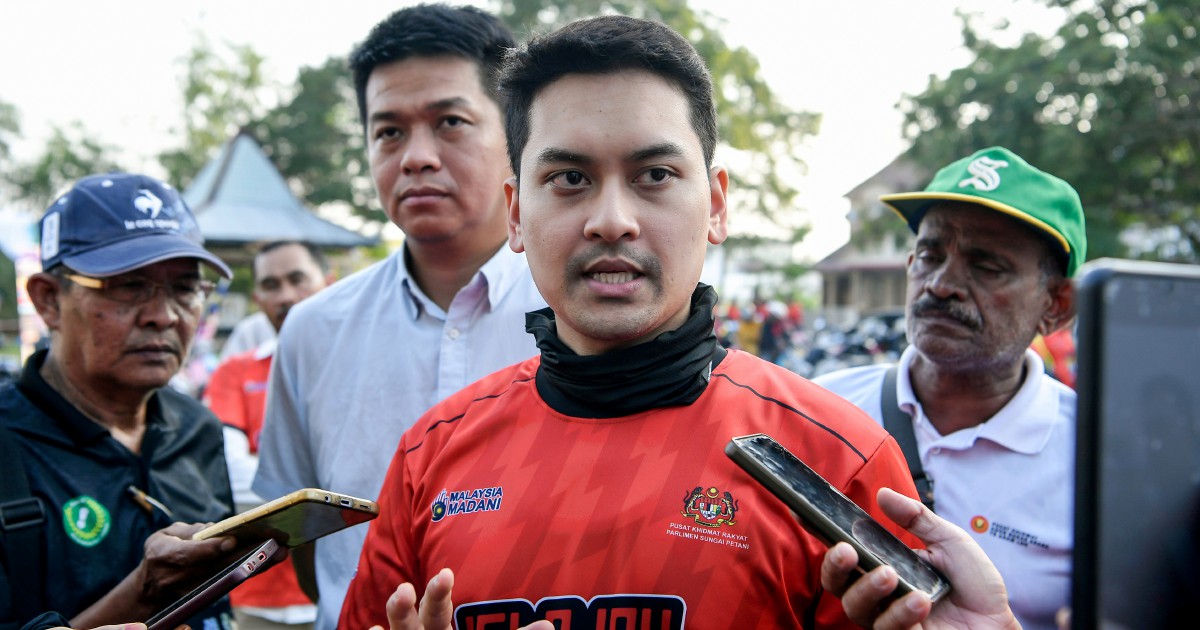
Youth and Sports Minister Dr Mohammed Taufiq Johari has ordered a comprehensive investigation into the death of an 11-year-old schoolgirl, who reportedly collapsed and died from a heart condition following a sporting activity organised by her school. Speaking in Alor Star, the minister indicated that the circumstances surrounding the incident warrant close scrutiny from relevant authorities, signalling heightened concern at the ministerial level about safety protocols in school sports programmes across the country.
The death has triggered renewed questions about how Malaysian schools manage student participation in physical activities, particularly for children with underlying health conditions. The incident raises the critical issue of whether educators are adequately trained to identify warning signs of cardiac distress in young participants, and whether schools have proper medical screening procedures in place before authorising strenuous exercise. These concerns resonate across Malaysian education circles, where schools frequently organise sporting events and physical fitness programmes as core components of the curriculum.
Dr Mohammed Taufiq Johari's intervention signals that the ministry is taking the matter seriously as a systemic issue rather than an isolated tragedy. By requesting a thorough probe, the minister is effectively calling for an examination of broader protocols governing student safety during school-organised sporting activities. This approach suggests the ministry may be considering policy recommendations or revised guidelines that could apply nationwide, affecting how schools structure their sports programmes and handle student participation.
The role of the teacher in directing the student to participate in the sporting activity will likely form a central focus of the investigation. The inquiry will need to establish whether the teacher was aware of any pre-existing health conditions, whether proper consent procedures were followed with parents or guardians, and whether the activity was appropriate for the child's age and physical development. These procedural questions are fundamental to understanding whether systemic failures contributed to the tragedy.
School sporting activities in Malaysia typically range from routine physical education classes to competitive inter-school events and organised athletics programmes. The diversity of these activities means that safety standards may vary considerably between institutions. A thorough investigation could expose gaps in how different schools implement health and safety measures, potentially revealing inconsistencies in medical supervision, emergency response procedures, and baseline fitness assessments.
The mention of a heart condition in this case points to another critical dimension: whether schools possess sufficient information about students' medical histories and exercise limitations. Many Malaysian schools operate without comprehensive student health records that teachers and coaches can easily access. This informational gap could mean that a teacher authorising participation in a sporting activity might be unaware of underlying conditions that would contraindicate strenuous exercise. Addressing this gap could require significant changes to how schools collect, maintain, and share sensitive health information.
Emergency response capabilities also warrant investigation. If the child collapsed during the sporting activity, the timeline and quality of medical intervention could have been crucial. Schools may have first aid personnel on site, but their training and readiness to respond to cardiac emergencies varies widely. The investigation should clarify whether the school had access to automated external defibrillators, whether staff were trained in cardiopulmonary resuscitation, and how quickly emergency services were contacted and arrived.
Parental notification and consent procedures form another investigative avenue. Schools have a fundamental responsibility to communicate with parents about activities their children will undertake, particularly physical activities that carry inherent risks. The investigation will likely examine whether parents were fully informed about the sporting activity, whether they had opportunity to raise concerns based on their knowledge of their child's health, and whether consent procedures were properly documented and followed.
The implications of this case extend beyond the specific school involved. Across Malaysia, thousands of schools organise daily sporting activities involving hundreds of thousands of students. An investigation that identifies systemic weaknesses could prompt the Youth and Sports Ministry to collaborate with the Education Ministry to establish or strengthen nationwide safety standards. This could include revised protocols for medical screening, teacher training in recognising health emergencies, requirements for first aid facilities, and procedures for handling students with known health conditions.
This tragedy also raises questions about the broader conversation around competitive academic culture and pressure on students in Malaysian schools. If the student felt obligated or pressured to participate despite not feeling well, this reflects a troubling dynamic where students may suppress their own health concerns to comply with authority figures or avoid disappointing teachers and peers. Investigating the circumstances that led to the child's participation could illuminate whether such pressures exist and how they might be mitigated.
The minister's call for a thorough investigation represents an important acknowledgment that student safety in sporting activities cannot be treated as routine or inevitable. By elevating this matter to the ministerial level and demanding comprehensive scrutiny, Dr Mohammed Taufiq Johari is signalling that schools must take proactive measures to protect children during physical activities. The investigation's findings could reshape how Malaysian educational institutions approach student welfare in sporting contexts.
Moving forward, the findings from this investigation will be closely watched not only by school administrators and parents, but also by health professionals and child welfare advocates across Malaysia. The recommendations that emerge could establish new baseline standards for student safety in school sports, potentially preventing similar tragedies. The tragedy of this young student's death, while heartbreaking, presents an opportunity for the education system to strengthen its protective mechanisms and ensure that participation in sporting activities enhances rather than jeopardises student wellbeing.

