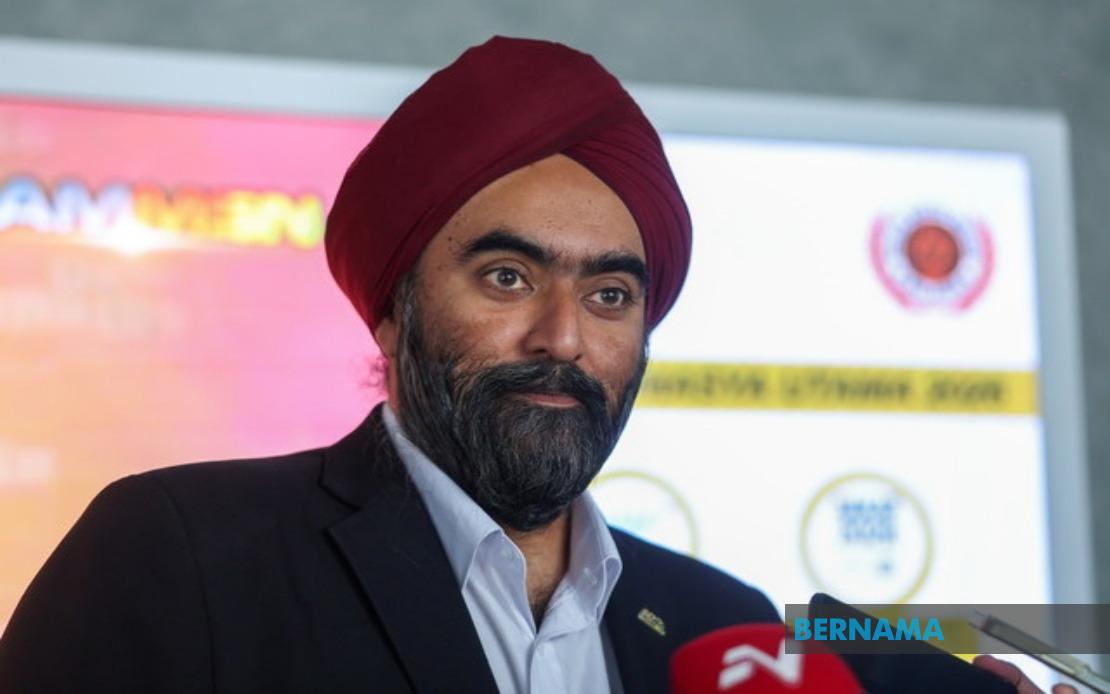
The Malaysian National Cycling Federation has moved to resolve a brewing dispute with Yayasan Sime Darby by requesting an urgent high-level meeting to address the postponement of the YSD Track Cycling and BMX Series 2026. The federation's president, Datuk Amarjit Singh Gill, indicated that direct engagement between senior management from both organisations is essential to break the current impasse and chart a path forward for the talent development programme that forms a crucial component of Malaysia's cycling pipeline.
The postponement announcement emerged following what YSD described as technical complications involving the MNCF, though neither organisation has detailed the specific nature of these difficulties. This vagueness has left the cycling community uncertain about the duration of the disruption and whether the series can be salvaged for the scheduled 2026 calendar. For a country that has invested significantly in track cycling infrastructure and pursues international medals in BMX and track disciplines at regional and global competitions, such programme interruptions threaten momentum in athlete development and sponsorship confidence.
Datak Amarjit's characterisation of the dispute as fundamentally straightforward rather than intractable suggests that both parties may be viewing the situation through different lenses rather than facing genuine incompatibility. He framed the resolution process as requiring a recalibration of working relationships rather than substantive structural changes, indicating that the foundation of collaboration between the federation and the foundation remains intact. This optimistic framing may be a strategic positioning designed to encourage YSD to return to negotiations without appearing to concede territory or acknowledge institutional weakness.
The federation president's emphasis on mutual respect and recognition of equal partnership status points to an underlying power dynamic issue. Such friction often emerges when one party feels its expertise or authority is being undermined or when decision-making processes are perceived as unilateral rather than consultative. In cycling federations across Southeast Asia, tensions between commercial sponsors and governing bodies frequently centre on athlete selection, competition scheduling, or the balance between commercial interests and talent development priorities. The MNCF's repeated invocation of strategic partnership suggests it may be resisting what it views as encroachment on its regulatory prerogatives.
YSD's decision to postpone rather than cancel the series entirely indicates a desire to preserve the relationship and the programme's potential, even amid disagreement. This measured approach contrasts sharply with how some sporting disputes have escalated in the region, where withdrawn sponsorship or public acrimony can poison partnerships for years. The foundation's long-standing investment in cycling development gives both parties incentive to resolve differences rather than allow them to harden into institutional positions.
The timing of this dispute, emerging during the announcement of Le Tour de Langkawi 2026, underscores cycling's prominence in Malaysia's sporting calendar and development strategy. LTdL remains one of Asia's most prestigious road cycling events and continues to attract international UCI-registered teams, providing a global platform for Malaysian cyclists. The YSD Track Cycling and BMX Series operates within a different but complementary ecosystem, targeting younger athletes and disciplines that require specialised facilities and sustained investment. Disruption to either programme reverberates across the entire cycling structure.
For Malaysian cycling athletes currently in the development pathway, particularly those targeting the 2028 Olympic Games in Los Angeles or the Asian Games, the postponement creates uncertainty about competitive opportunities and funding continuity. Track cycling disciplines require consistent access to velodrome facilities and structured competitive scheduling to develop the explosive power and tactical awareness required at international level. BMX racing similarly demands regular event participation to build experience and identify talent. Extended gaps in competition calendars can result in athletes losing form or seeking opportunities overseas.
The federation's stated openness to meetings at any time signals an attempt to position itself as flexible and solution-oriented, potentially building public sympathy if the dispute becomes more contentious. By framing the issue as requiring only good judgment and mutual respect, Datuk Amarjit is essentially calling for pragmatism from YSD's leadership. This rhetorical approach works best when coupled with genuine movement on the underlying technical issues, whatever those may be, and the federation would need to demonstrate concrete willingness to address YSD's concerns to make such appeals credible.
YSD's contribution to cycling development extends beyond funding, as the foundation has historically provided strategic guidance and helped connect the sport with Malaysia's broader business community and international networks. Disruption to this relationship threatens not only the immediate series but also longer-term institutional knowledge transfer and sponsorship relationships that support cycling across multiple disciplines. The foundation's engagement reflects corporate social responsibility initiatives that depend on demonstrable impact, making programme continuity essential to YSD's investment rationale.
Resolution of this dispute carries implications beyond the immediate stakeholders. How the MNCF and YSD navigate this disagreement will signal to other potential sponsors whether cycling federation governance is stable and disputes are manageable through dialogue. If escalation or public conflict ensues, future corporate partners may approach cycling sponsorship with greater caution. Conversely, demonstrating mature dispute resolution would reinforce confidence in the federation's institutional maturity and the cycling sector's professionalism.
The federation's apparent confidence that the matter can be resolved suggests that both parties recognise the shared interest in the programme's continuation. Neither YSD nor the MNCF has indicated fundamental disagreement about the value of track cycling and BMX development, only about the mechanisms and conditions of collaboration. This distinction offers genuine hope that Datuk Amarjit's calls for urgent talks could yield tangible progress within weeks rather than months, allowing the 2026 series to proceed with a recalibrated partnership framework.

