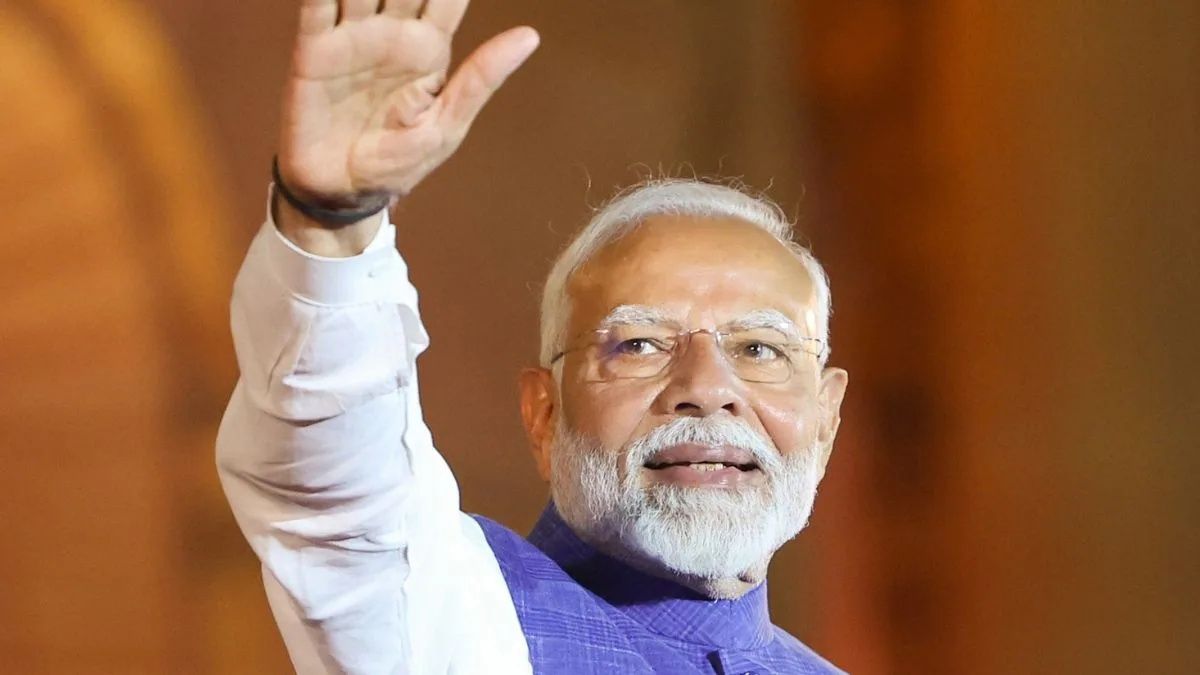
Prime Minister Narendra Modi will personally oversee India's 12th International Day of Yoga (IDY) celebrations from Kolkata's historic Red Road on June 21, underscoring the central government's commitment to promoting holistic wellness across the nation. The choice of venue reflects both the Modi administration's philosophical emphasis on nurturing a healthy populace through mind and body practices, as well as a calculated political statement regarding New Delhi's priorities in the eastern Indian state.
Kolkata, known as the City of Joy, will host the principal gathering in the early morning hours, drawing thousands of participants ranging from senior dignitaries to ordinary citizens who will collectively demonstrate the Common Yoga Protocol (CYP). The scale of the operation underscores how yoga has evolved from a niche wellness practice into a mass mobilisation tool integrated with national governance and electoral strategy. The decision to position Modi at the forefront of these celebrations in Kolkata carries particular significance given the BJP's comprehensive electoral victory in West Bengal's recent Assembly elections, where the party displaced the long-ruling Trinamool Congress from power.
The selection of Kolkata as the primary venue signals unmistakably that the Modi administration intends to place West Bengal at the centre of its developmental and political focus in the coming years. Senior BJP leadership has made clear that accelerated development will now flow towards the state, which party figures characterise as having experienced underinvestment and mismanagement during the previous governance period. This framing positions yoga celebrations not merely as a public health initiative but as a symbolic inauguration of a new developmental era, linking wellness advocacy with implicit promises of administrative renewal and resource allocation.
Red Road itself carries substantial historical and cultural resonance within Kolkata's urban landscape. Beyond its function as a contemporary public gathering space, the location embodies the city's military heritage, civic traditions, and commitment to ecological innovation. Selecting this particular venue for the main IDY event transforms a cherished public landmark into a symbol of the central government's engagement with West Bengal's communities. Organisers anticipate record-breaking attendance, reflecting both widespread interest in yoga practices and the mobilisation power inherent in state-sponsored wellness campaigns.
The 12th edition operates under the thematic banner "Yoga for Healthy Ageing," a framework that resonates particularly across the Indian subcontinent where demographic trends show increasing life expectancy alongside growing concerns about quality of life among elderly populations. According to Union Minister of State for Ayush Prataprao Jadhav, the challenge confronting modern societies involves ensuring that extended lifespans translate into years characterised by physical vitality, mental independence, and meaningful social participation. Yoga represents a time-tested methodology addressing this challenge comprehensively, combining physical conditioning with mental cultivation and spiritual enrichment.
Preceding the main celebration, Kolkata hosted the "Daud Se Dhyan 2026 – From Movement to Stillness" initiative, organised under the government's broader Swachhata Se Swagat (Cleanliness Through Welcome) programme. This preparatory activity synthesised core wellness principles with civic responsibility, demonstrating how yoga advocacy intersects with larger governmental campaigns promoting public health infrastructure and environmental consciousness. The integration of these themes reflects an expansive interpretation of yoga's role within contemporary governance frameworks.
The Ministry of Ayush has orchestrated an unprecedented scale of simultaneous activities across India and globally. Approximately 2,500 organised events will occur worldwide, with participation coordinated through 211 Indian diplomatic missions abroad. This infrastructure enables Indians living internationally to participate in collective yoga practice while maintaining symbolic connection to celebrations transpiring simultaneously within India. The geographical distribution underscores yoga's positioning as a cornerstone of India's soft power diplomacy and cultural export strategy.
The Yoga Sangam Portal, the digital platform coordinating registrations and participation, has achieved the remarkable milestone of 600,000 organisational registrations. This figure reflects genuine enthusiasm among institutions, community organisations, and educational establishments eager to mobilise their constituencies for collective practice. The scale indicates that yoga's appeal extends far beyond individual wellness practitioners to encompass institutional structures from schools to workplaces, suggesting deep penetration of yoga advocacy throughout India's organisational landscape. Registered bodies will simultaneously guide their members in yoga practice, creating a sense of nationwide synchronisation around the wellness initiative.
Cultural dimensions of the celebrations receive emphasis through the Ministry of Culture's parallel initiative, which will facilitate yoga programmes at 100 iconic locations scattered across India. This approach deliberately intertwines yoga practices with preservation and celebration of India's cultural heritage, positioning wellness traditions as integral to civilisational identity rather than modern innovations. By anchoring yoga programming within heritage sites, the government frames these practices as historically rooted and culturally authentic rather than commercially introduced wellness trends.
The West Bengal government has mandated participation in IDY celebrations for all government employees, requiring attendance at designated venues including Red Road and Milan Mela grounds or alternative locations at offices and residential complexes. This top-down mobilisation approach ensures visible, mass participation that amplifies the apparent popularity and institutional support surrounding yoga celebrations. Such mandatory participation, while ostensibly promoting wellness, simultaneously demonstrates state capacity to coordinate large populations around centrally determined objectives.
For Southeast Asian readers, particularly Malaysians, these developments illuminate how neighbouring countries leverage wellness initiatives for political purposes and soft power projection. India's systematic integration of yoga with governance, electoral success, and diplomatic outreach presents instructive parallels for understanding how wellness policies intersect with statecraft. The Kolkata celebrations demonstrate sophisticated coordination between health promotion, cultural nationalism, and strategic political messaging—dynamics increasingly observable across the region's governments.