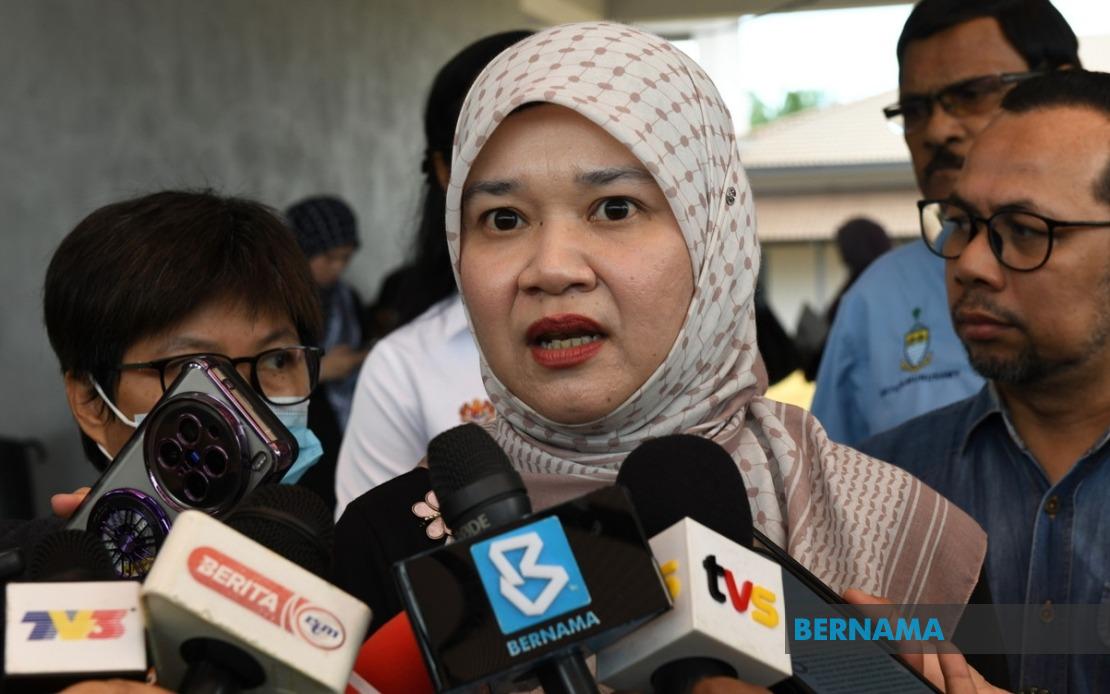
Education Minister Fadhlina Sidek has directed the Schools Inspectorate, District Education Office, and Federal Territory of Kuala Lumpur Education Department to accelerate their internal investigation into the death of a student at a school in the capital. The directive underscores the government's commitment to resolving the matter with urgency while maintaining proper investigative protocols.
In a statement released on her official social media platforms, Sidek expressed condolences to the bereaved family and school community, describing the student's passing as a matter of profound concern. She acknowledged the gravity of allegations surrounding the incident, particularly those touching on bullying and potential racial discrimination—issues that have consistently drawn public attention and scrutiny in Malaysian educational settings.
The Education Ministry is coordinating closely with multiple agencies to ensure comprehensive action on the case. The police investigation runs parallel to the internal MOE inquiry, while collaborative efforts with the Social Welfare Department and Ministry of Health signal a whole-of-government approach aimed at uncovering the full circumstances surrounding the death. This inter-agency coordination reflects lessons learned from previous incidents where siloed investigations have occasionally delayed public accountability and closure for families.
Sidek stressed that matters touching on bullying and discrimination cannot be treated as isolated incidents but must be addressed through rigorous fact-finding and adherence to established legal and administrative procedures. Her emphasis on process-driven investigation suggests the MOE's recognition that rushed conclusions without solid evidence can undermine public confidence, yet delay without progress equally erodes trust in institutional accountability.
Psychosocial support has been mobilised across multiple levels of the affected school community. The MOE's counselling team has been deployed to assist the deceased student's family, recognising that grief in such circumstances is often compounded by questions and uncertainty. Teachers at the school have been briefed on both the investigation's progress and the legal processes unfolding, ensuring they understand their roles and responsibilities during this sensitive period.
The MOE's Smart Support Team has also been activated to provide crisis intervention and emotional well-being assistance to students affected by the incident. This specialised response acknowledges that a student's death within a school environment creates ripples of trauma across the wider school body, potentially affecting academic performance, attendance, and long-term psychological health. By deploying trained crisis specialists, the ministry aims to mitigate secondary harm and create space for healing alongside the investigative process.
For Malaysian schools and parents, this case highlights ongoing tensions around student safety, the adequacy of anti-bullying frameworks, and the potential intersection of bullying with racial or communal dimensions. Malaysia's diverse student population means that discrimination rooted in ethnicity or religion remains a documented concern in some educational settings, despite official policies against such conduct. The explicit mention of bullying and racial elements in the minister's response signals that these potential factors are being taken with appropriate seriousness rather than minimised or obscured.
The speed at which authorities have been instructed to complete their findings also reflects broader public expectation for accountability in cases involving deaths of young people. In recent years, incidents of student deaths attributed to bullying or institutional negligence have galvanised online discourse and parental activism across Malaysia and the wider region, creating political pressure for swift and transparent responses from education authorities.
Sidek's commitment to ensuring the educational environment remains safe and free from bullying carries direct policy implications. Schools may face pressure to strengthen existing anti-bullying protocols, improve reporting mechanisms, and enhance staff training on recognising warning signs of student distress. Whether the internal investigation yields findings will likely influence whether systemic reforms are implemented beyond the immediate school in question.
The involvement of multiple government bodies also underscores that student welfare extends beyond the education sector alone. Health and social work professionals bring complementary expertise in understanding whether any underlying vulnerabilities—mental health conditions, family circumstances, or welfare concerns—may have intersected with the immediate events leading to the student's death. This holistic perspective can reveal whether isolated incidents or systematic failures contributed to the tragedy.
As the investigation progresses, the ministry faces the dual challenge of maintaining confidentiality around sensitive findings while providing sufficient transparency to reassure the public that the case has been thoroughly and fairly examined. Incomplete or delayed communication from authorities often fuels speculation and rumour, particularly in the age of social media where narratives can crystallise quickly regardless of factual foundation.
The outcome of this inquiry will carry implications not only for the bereaved family and school community but also for educational policy across Malaysia. How thoroughly the investigation is conducted, how findings are communicated, and what preventive measures follow will collectively shape public confidence in the MOE's ability to protect students and respond adequately when institutional safeguarding fails. The minister's stated priority of ensuring justice for all parties and maintaining a safe, discrimination-free educational environment reflects aspirations that many families hold, yet achievement of those goals depends on sustained institutional commitment beyond the immediate crisis phase.

