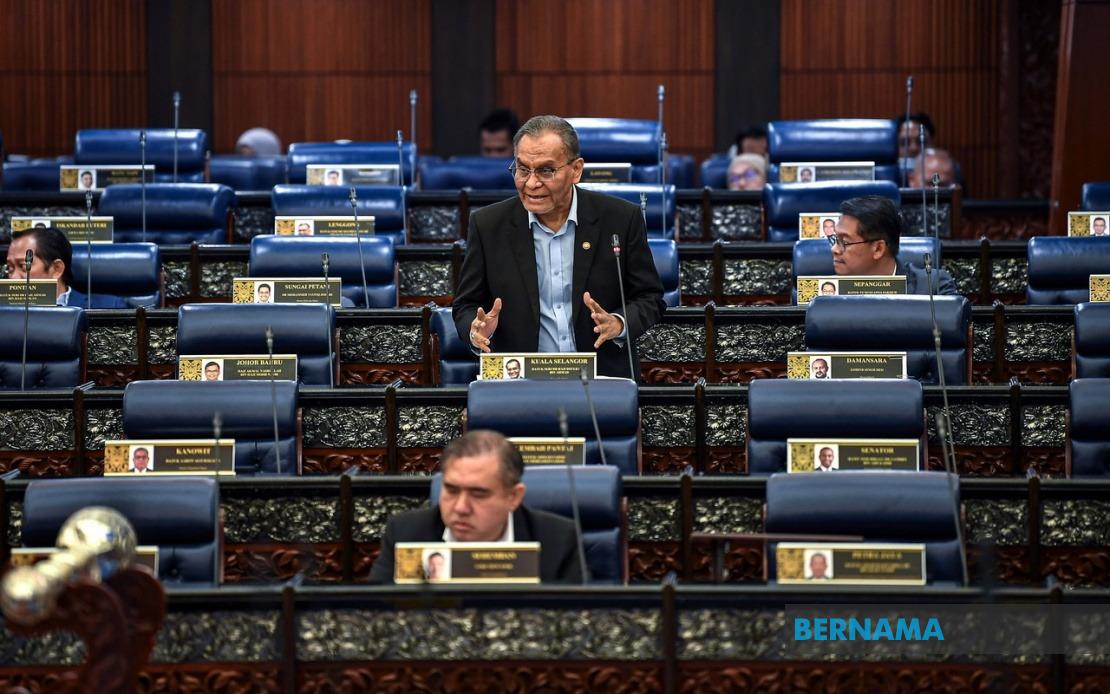
The Ministry of Health has signalled its commitment to preserving the viability of Malaysia's private clinic sector, recognising that these facilities form a critical pillar of the nation's primary healthcare infrastructure. During parliamentary questioning in late June, Health Minister Datuk Seri Dr Dzulkefly Ahmad outlined a multifaceted approach aimed at ensuring private general practitioners not only endure current pressures but ultimately flourish by retaining their market competitiveness. The initiatives represent a departure from purely regulatory oversight, instead positioning government as an active stakeholder in sustaining the private healthcare ecosystem.
The urgency of intervention has become apparent through stark figures reflecting the sector's deterioration. Since 2013, approximately 2,034 private medical clinics have shuttered nationwide, a trend that gained momentum during the COVID-19 pandemic when many practitioners faced simultaneous financial strain and operational constraints. Dr Dzulkefly acknowledged experiencing this crisis directly, indicating that policymakers have moved beyond theoretical understanding to grappling with tangible consequences of clinic closures. The cumulative effect of these closures threatens to hollow out a healthcare tier that traditionally absorbs substantial patient demand, potentially redirecting even routine consultations toward an already overburdened public hospital network.
To address this decline, the government has implemented a concrete fiscal intervention by elevating the minimum consultation fee for private practitioners to RM80, a substantial increase from the previous RM10 baseline. This adjustment represents a recognition that existing price floors had become economically unviable, failing to reflect inflation, rising overhead costs, and the operational expenses inherent to maintaining clinic infrastructure. The new threshold aims to enhance revenue sufficiency without rendering private healthcare inaccessible to ordinary Malaysians, striking a balance between practitioner sustainability and public affordability.
Beyond fee restructuring, the Ministry intends to facilitate outsourcing arrangements that allow private clinics to diversify income streams and reduce operational burdens. Such partnerships could encompass administrative functions, shared diagnostic facilities, or contracted service provision to government or corporate entities. This model acknowledges that independent small practitioners often lack economies of scale to negotiate favourable supplier terms or invest in expensive diagnostic equipment. By enabling collaborative arrangements, clinics can potentially reduce unit costs while expanding service capacity without proportional increases in capital expenditure.
The broader policy context reveals how private practitioners have become indispensable to Malaysia's primary care architecture. The ministry operates 2,916 government health clinics nationally, yet these are complemented and substantially outnumbered by 10,208 private GP clinics. This distribution illustrates that private clinics provide the majority of first-contact primary care encounters, effectively serving as the frontline for acute episodic illnesses, minor injuries, and chronic disease monitoring. Any significant contraction in this network creates cascading inefficiencies throughout the entire healthcare system.
A particular challenge confronting private practitioners involves declining intake of medical house officers. This workforce gap reflects graduate doctors' preferences for government positions offering pension benefits, postgraduate training pathways, and career advancement structures. Private clinics, by contrast, typically offer shorter-term contracts with fewer professional development opportunities, making them less attractive to early-career physicians. The resulting staffing constraints reduce clinic capacity precisely when demand pressures mount across the broader healthcare sector.
Dr Dzulkefly's parliamentary testimony also flagged the government's intention to embed private clinic engagement within the 13th Malaysia Plan framework, particularly in managing non-communicable diseases. This strategic positioning acknowledges that chronic conditions including hypertension, diabetes, and hyperlipidaemia represent the predominant disease burden facing Malaysian society. Managing these illnesses requires sustained outpatient monitoring rather than episodic acute intervention. By structuring collaboration between government clinics and private practitioners, the system can distribute this chronic care load more equitably, reducing pressure on hospital outpatient departments and emergency services that absorb excess demand when primary care capacity becomes saturated.
The reference to international precedent is instructive. Both the United Kingdom and Taiwan have successfully developed integrated primary care models where public and private providers operate within coordinated networks, sharing clinical protocols and information systems while maintaining operational independence. Such arrangements permit flexibility in workforce deployment, allow private practitioners to capture reimbursement streams from publicly-funded care programmes, and ensure clinical consistency across provider types. Malaysia appears to be moving cautiously toward similar integration, recognising that purely parallel public and private systems generate inefficiencies and inequities.
For Malaysian readers, these developments carry several implications. First, private GP consultation fees will rise substantially, potentially affecting out-of-pocket healthcare costs for those without insurance, though the increase reflects genuine operational necessity rather than arbitrary profit-seeking. Second, expanded public-private collaboration may improve healthcare access by distributing primary care load more intelligently across available capacity. Third, sustaining private clinic viability protects patient choice and reduces monopolistic concentration of primary care provision within government facilities. Fourth, strengthening the private sector indirectly benefits the public system by retaining a functional safety valve that prevents complete collapse of outpatient services when government facilities become overwhelmed.
However, the success of these measures hinges on implementation rigour and sustained political commitment. Fee increases alone cannot rescue clinics facing structural challenges such as onerous overhead expenses, limited diagnostic capacity, or weak negotiating positions with pharmaceutical suppliers. Outsourcing arrangements require trust-based relationships between public and private entities, presently complicated by historical tensions and divergent institutional cultures. The integration agenda demands sophisticated information systems and aligned clinical standards currently lacking across much of Southeast Asia's fragmented healthcare landscape.
Moreover, the private clinic sector comprises diverse operators ranging from single-practitioner establishments in residential neighbourhoods to multi-clinic chains serving affluent urban populations. Blanket policy interventions risk neglecting area-specific needs; rural communities may require different support structures than urban centres. Government subsidies or targeted assistance for underserved regions might prove more efficient than universal fee increases.
Looking forward, the Ministry's commitment to private clinic sustainability signals recognition that healthcare systems function optimally when public and private providers coexist in balanced tension rather than competition. This paradigm shift, if translated into concrete partnerships and adequate resource allocation, could substantially improve Malaysia's capacity to deliver timely primary care to diverse populations whilst reducing unnecessary hospital admissions. Realising these objectives requires sustained focus, adequate financing, and willingness to challenge institutional conservatism within both government and private healthcare sectors.