The Ministry of Higher Education is implementing enhanced safety protocols for Malaysian students scattered across West Asian countries, responding to deteriorating security conditions that have prompted major powers to reassess their diplomatic presence in the region. Higher Education Minister Datuk Seri Dr Zambry Abd Kadir outlined the coordinated approach during remarks in Putrajaya on Saturday, emphasising that MOHE will maintain constant vigilance through partnerships with Malaysia's Foreign Ministry and its network of Education Malaysia offices.
The timing of these precautionary measures reflects wider international concerns about regional instability. The United States has issued formal travel advisories recommending citizens depart West Asian territories, a development that MOHE has factored into its risk assessment framework. Dr Zambry acknowledged the inherent unpredictability of geopolitical situations in the region, noting that policy positions adopted by major international actors can shift with considerable speed. This reality underscores why Malaysian authorities favour maintaining flexible, reactive protocols rather than rigid protocols that could quickly become obsolete.
Malaysia maintains a substantial educational presence across three primary West Asian destinations. Egypt hosts several thousand Malaysian students pursuing diverse academic disciplines spanning Islamic studies, medicine, dentistry, pharmacy, and other professional fields critical to Malaysia's future workforce development. Jordan accommodates between one thousand and two thousand Malaysian learners, while Morocco—though currently hosting smaller cohorts—is experiencing gradual enrollment increases. These populations represent significant national assets, constituting pools of future professionals trained in international contexts and equipped with cross-cultural perspectives.
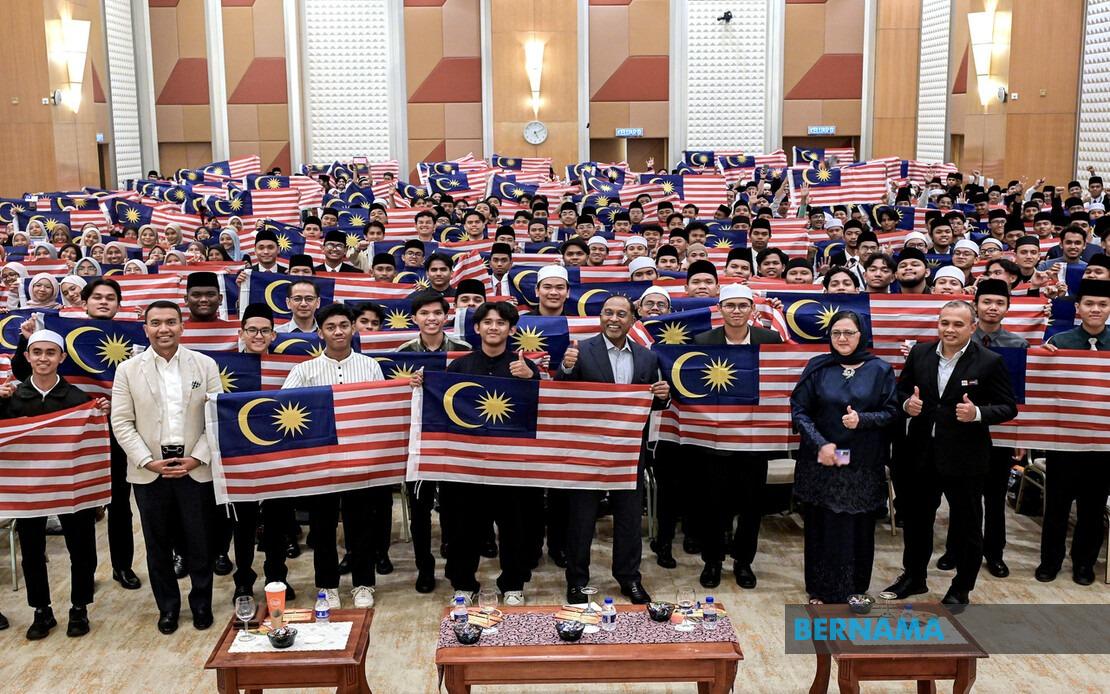
As an immediate priority, MOHE has just completed orientation sessions for 456 Malaysian students scheduled to commence studies in Egypt, Jordan, and Morocco from September onward. These students participated in the International Charisma Programme, a collaborative initiative between MOHE and the Malaysia Nationhood Academy that extends beyond conventional academic preparation. The programme provides comprehensive briefings on regional contexts, direct engagement with ministry officials, and welfare guidance designed to prepare students for their overseas transitions during a period of heightened uncertainty.
The ministry's operational infrastructure supports this oversight architecture. Education Malaysia offices function as frontline coordination points, with established presences in both Egypt and Jordan capable of rapid response to emerging situations affecting student populations. Morocco's lack of a dedicated Education Malaysia office has been addressed through administrative arrangements channeling all student-related matters through Egypt's office, ensuring no gaps in institutional oversight despite geographic constraints. This networked approach reflects practical experience accumulated through years of managing Malaysian student diaspora across multiple jurisdictions.
Dr Zambry emphasised that MOHE has received no reports indicating that current regional tensions have materially impacted Malaysian student communities in these three countries. Nevertheless, the ministry has positioned itself for immediate contingency action should circumstances deteriorate. This stance balances reassurance—avoiding unnecessary alarm that could deter prospective students—against preparedness, ensuring decision-makers maintain capacity to respond swiftly to genuine threats. The distinction between precaution and panic represents a delicate calibration that higher education authorities must navigate consistently.
The underlying diplomatic coordination reflects Malaysia's careful positioning within international systems. By anchoring MOHE's student safety operations to guidance from the Foreign Ministry through Wisma Putra, Malaysian authorities ensure alignment between educational and diplomatic priorities. This alignment prevents institutional friction and enables coherent national response to evolving situations. For Malaysian students abroad, such coordination provides assurance that educational institutions are not operating in isolation from broader governmental awareness and capability.
Beyond immediate safety concerns, MOHE framed overseas students as strategic investments in national development. Dr Zambry articulated an expectation that students completing international education will return to Malaysia equipped with advanced credentials and global experience, subsequently contributing to domestic economic and social advancement. This long-term perspective situates overseas student safety within broader human capital development strategy, suggesting that investments in monitoring and welfare represent prudent stewardship of national resources.
The minister's remarks also reflected confidence in Malaysia's own educational standing. He noted that Malaysia attracts approximately 180,000 international students representing roughly 180 countries, indicating robust global perception of Malaysian higher education quality and competitiveness. This external validation suggests that Malaysia's concerns about student safety abroad operate within context of a bidirectional educational relationship, with significant populations of foreign learners also depending on Malaysian institutions for quality training.
The educational philosophy articulated during the programme closing ceremony extended beyond technical competence. Dr Zambry emphasised integration of Islamic pedagogical concepts—ta'lim (knowledge transmission), tarbiah (personal formation), and ta'dib (ethical cultivation)—suggesting that overseas education should cultivate moral character alongside professional expertise. This holistic conception of educational outcomes reflects particular Malaysian approaches to knowledge development, rooted in Islamic intellectual traditions while remaining compatible with secular professional training.
For Malaysian families with students in West Asia, the ministry's public articulation of monitoring efforts provides procedural reassurance while underscoring the reality of volatile regional circumstances. The transparent identification of specific student populations by destination and field of study demonstrates institutional awareness and operational capability, reducing informational asymmetries that otherwise generate anxiety. Simultaneously, the frank acknowledgement that security situations can evolve unpredictably maintains realistic expectations about MOHE's capacity to guarantee absolute safety.
The coordination framework outlined also signals Malaysian positioning within broader Middle Eastern educational ecology. Egypt, Jordan, and Morocco serve as established hubs for Islamic studies and professional training for Southeast Asian students, roles reflecting both geographic proximity and institutional strengths. Malaysia's engagement with these destinations through formal monitoring arrangements reflects appreciation for their continuing significance within regional educational systems, even as geopolitical circumstances create periodic disruptions.

