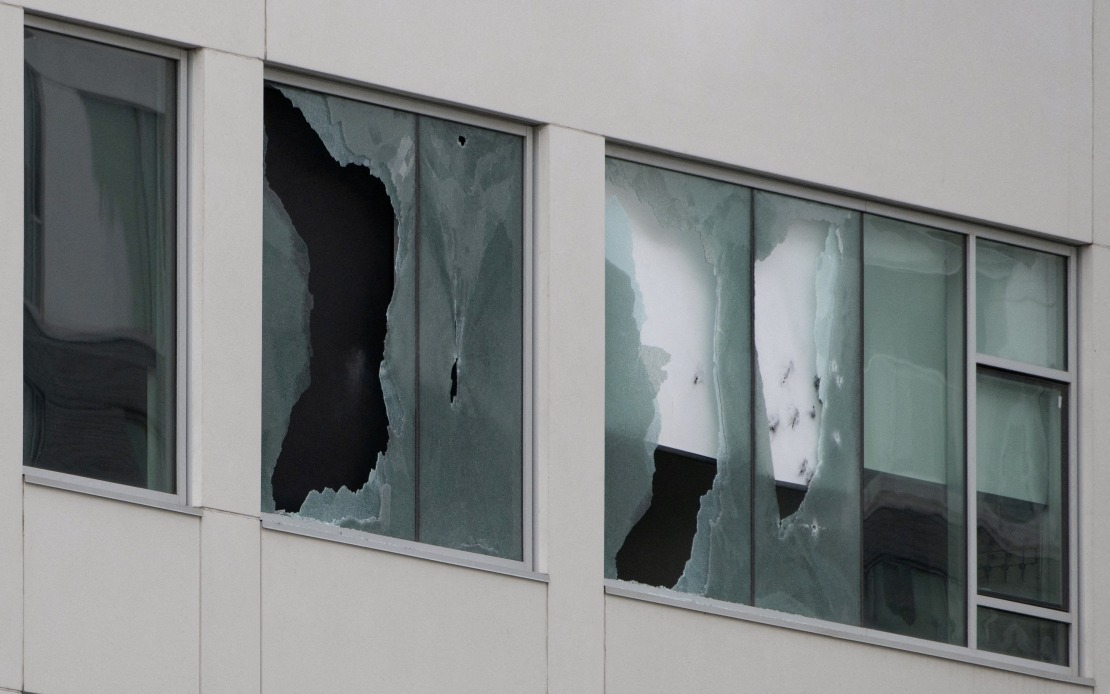
A tragedy unfolded in Montreal on Monday when a shooting claimed the lives of three people, including a member of the city's police force. The incident has shaken the Canadian metropolis and raised fresh concerns about public safety in urban centres across North America. The fatalities comprised a police officer responding to the scene, a civilian resident, and the individual believed to have carried out the attack. Two additional people sustained injuries, though one of the wounded officers has since stabilised and is no longer considered to be in critical danger.
Montreal police announced the death of their colleague through a statement on social media platform X, describing the loss as occurring "while on duty." The force's communications emphasised the gravity of the incident without immediately providing comprehensive details. Police Chief Fady Dagher subsequently briefed reporters, explaining that officers encountered gunfire upon arriving at the location in the Côte-des-Neiges neighbourhood, a densely populated area of the city. The chief indicated that the suspect was ultimately "neutralised" at the scene, bringing the immediate threat to an end.
Authorities moved quickly to contain the situation and prevent further escalation. An emergency alert was issued urging residents in the vicinity to remain indoors, secure their doors, and avoid the affected area entirely. The lockdown procedures followed standard protocol for active shooter situations, where the priority centres on preventing public access to the danger zone whilst law enforcement conducts tactical operations. Broadcaster CBC reported that residents adhered to these directives as police worked to resolve the emergency. The alert was subsequently lifted once authorities confirmed they had neutralised the threat and secured the scene.
Investigators have already reached several preliminary conclusions about the incident's nature and scope. Security officials have definitively excluded any connection to terrorism or ideologically motivated extremist activity. Furthermore, they have determined that no additional suspects remain at large, indicating the shooter was operating independently rather than as part of a coordinated group. This assessment suggests the incident stemmed from factors specific to the individual rather than broader organized threats, though the precise motivations underlying the violence remain under examination.
Media outlets have reported claims that the attacker may have left behind a manifesto containing language consistent with the so-called incel movement, an online community characterised by anti-feminist ideology and often virulent misogyny. The incel movement, comprising individuals who identify as involuntarily celibate, has been associated with several high-profile violent incidents across North America in recent years. Members frequently circulate narratives promoting traditional gender hierarchies and expressing hostility toward women who reject their advances. However, Canadian security authorities have not yet publicly confirmed whether such a manifesto exists or what role, if any, such ideological influences may have played in motivating Monday's violence.
The incident underscores the persistent challenge facing major Canadian cities in addressing gun violence. Whilst overall violent crime rates in Canada remain substantially lower than in the United States, shooting incidents continue to occur with concerning regularity, particularly in major urban areas. The death of a police officer in the line of duty resonates deeply within law enforcement communities and raises broader questions about the safety risks officers face even in nations with relatively stringent gun regulations compared to their American counterparts. The loss represents a stark reminder that public servants responding to emergencies face genuine physical dangers.
Montreal, as Canada's second-largest city and a major cultural and economic hub, has experienced its share of violent incidents over the years. The city's diverse population and urban density create complex dynamics around crime and public safety. Monday's shooting adds to a growing catalogue of such incidents that have prompted ongoing debates among policymakers, law enforcement officials, and community leaders about prevention strategies, mental health resources, and threat assessment mechanisms. The investigation now underway will likely inform discussions about whether warning signs were missed or whether existing protocols could have prevented the tragedy.
The broader context of this incident extends beyond Montreal's municipal boundaries. Across North America, particularly in the United States, the influence of incel ideology on violent extremism has become an increasing concern for law enforcement and security analysts. Several attacks attributed to individuals connected with this online movement have resulted in multiple fatalities, drawing attention from intelligence agencies and researchers studying radicalisation pathways. The possibility that such ideological factors may have contributed to Monday's shooting in Canada suggests that this phenomenon is not confined to the United States but represents a cross-border challenge for North American security.
For Malaysian readers and Southeast Asian observers, this incident highlights the internationalisation of digital extremism and online radicalisation mechanisms. The incel movement and similar misogynistic online communities operate across national borders through social media platforms and forums, potentially influencing isolated individuals regardless of geographic location. Malaysia and other Southeast Asian nations have similarly grappled with online extremism, from jihadist recruitment to other ideological movements that spread through digital channels. The Montreal case demonstrates that platforms facilitating toxic online communities can pose genuine public safety risks far beyond the regions where such movements originally emerged.
The investigation into Monday's shooting remains ongoing, with authorities gathering evidence and conducting forensic analysis at the scene. Whilst initial findings have provided some clarity about the incident's scope and nature, deeper examination of the suspect's background, digital footprint, and psychological state may take considerably longer. The psychological autopsy being conducted will attempt to understand what combination of personal grievances, ideological exposure, and mental health factors converged to precipitate the violence. These findings, once made public, could contribute valuable insights to law enforcement agencies and researchers studying prevention of targeted violence in the digital age.