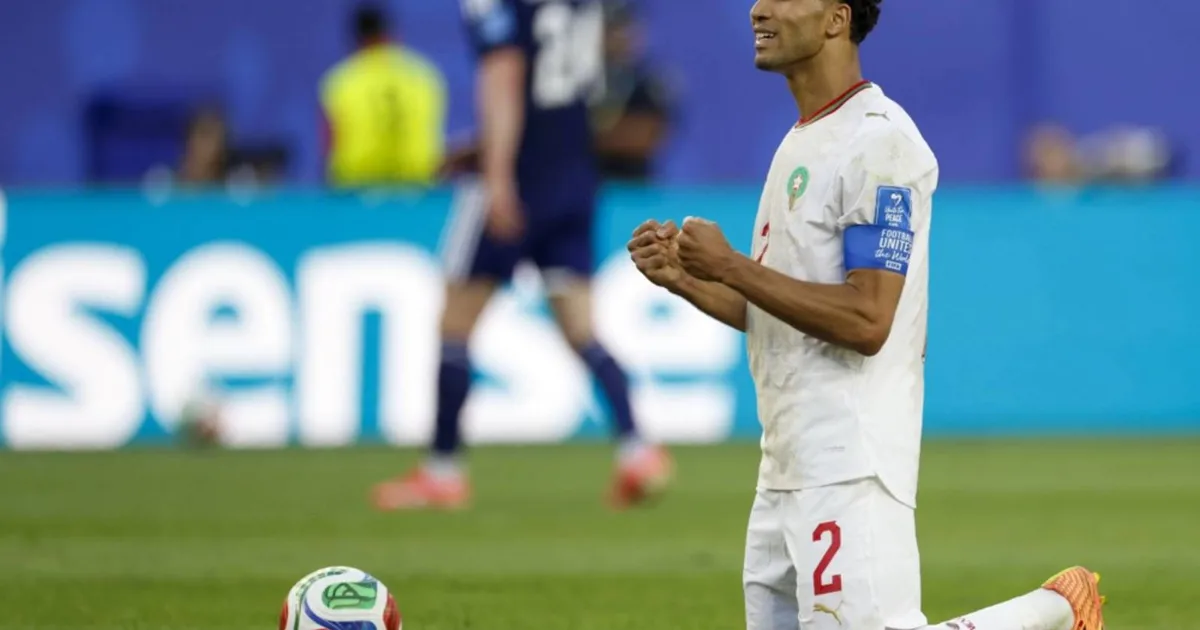
Achraf Hakimi, the Paris Saint-Germain defender and cornerstone of Morocco's World Cup campaign, is navigating a complex legal challenge as he faces trial in connection with rape allegations stemming from an incident in the Paris region during 2023. The player has consistently denied the charges brought against him, and Morocco's World Cup coach has publicly expressed confidence in his composure and character during this turbulent period.
The allegations centre on claims made by a 24-year-old woman regarding an encounter in 2023. The case has drawn significant attention given Hakimi's prominence in European football and his pivotal role in Morocco's recent World Cup performance, where the national team achieved a historic fourth-place finish. The legal proceedings represent one of the highest-profile sports-related court cases involving a player of Hakimi's stature in recent memory.
Hakimi's response to the charges has been marked by a steadfast denial of wrongdoing. Rather than retreat from public life entirely, the player has continued his professional commitments with PSG, one of world football's most visible clubs. This continued engagement with his sporting responsibilities while facing serious allegations presents a delicate balance, as professional athletes often struggle to maintain focus under legal scrutiny.
The national team coach's public statement affirming Hakimi's mental resilience carries particular weight in the footballing community. Coaches typically exercise caution when commenting on players facing legal troubles, aware that any perceived bias could invite criticism or accusations of enabling inappropriate behaviour. The decision to publicly vouch for the player's character demonstrates either genuine confidence in his innocence or strategic support for a key national asset.
For Malaysian and Southeast Asian football enthusiasts, this situation underscores the complex intersection between sports, celebrity, and the rule of law. While Hakimi's individual circumstances are unique, they reflect broader questions about how the sporting world accommodates players facing serious criminal allegations. In many cases, clubs and national federations have adopted cautious stances, sometimes suspending players pending legal outcomes, while other instances have seen protective approaches toward players perceived as valuable assets.
The PSG dimension adds another layer of complexity. French football has increasingly grappled with high-profile cases involving player conduct, and the club's handling of such matters reflects broader institutional expectations. PSG's position on Hakimi's situation—whether maintaining him in the squad or offering public support—sends signals about organizational values and legal due process acceptance across European sports governance.
Hakimi's situation also highlights the vulnerability of athletes at the peak of their careers. At an age when many footballers are consolidating their legacies and maximizing their earning potential, legal complications can fundamentally alter professional trajectories regardless of trial outcomes. The psychological toll of defending oneself in court while maintaining elite athletic performance represents a challenge rarely discussed in mainstream sports coverage.
From a structural perspective, the case raises questions about how national football federations balance their duty of care toward players with their responsibility to uphold moral standards. Morocco's apparent continued backing of Hakimi suggests confidence in his innocence or pragmatic recognition of his sporting importance, though such decisions inevitably invite scrutiny regarding institutional ethics.
The timeline is significant; the alleged incident occurred in 2023, yet the trial is proceeding in a different calendar period. This delay is typical in European legal systems, which prioritize thorough investigation and due process over rapid adjudication. For athletes, these extended legal timeframes create prolonged uncertainty that can affect mental health, public reputation, and career momentum.
Football culture in Southeast Asia, increasingly connected to European leagues through broadcasting and player movement, will likely follow this case with interest. Regional fans invested in the sport understand that international players represent their countries, and controversies involving athletes of Hakimi's calibre carry implications beyond individual cases, touching on broader perceptions of player accountability and institutional responsibility.
The coaching staff's public positioning reflects confidence in Hakimi's ability to compartmentalize legal pressures from professional demands. Such resilience, if demonstrated, would be noteworthy, as it contradicts common assumptions that serious criminal proceedings necessarily devastate athlete performance. However, the sustainability of this composure throughout a lengthy trial process remains uncertain.
Ultimately, Hakimi's situation represents a contemporary challenge for global sport: navigating serious allegations while respecting both the presumption of innocence and the legitimate concerns of those making accusations. His continued presence in professional football, combined with ongoing legal proceedings, embodies this tension. The outcome of the trial will undoubtedly affect not only his individual career but potentially influence how football institutions worldwide handle similar circumstances in the future.