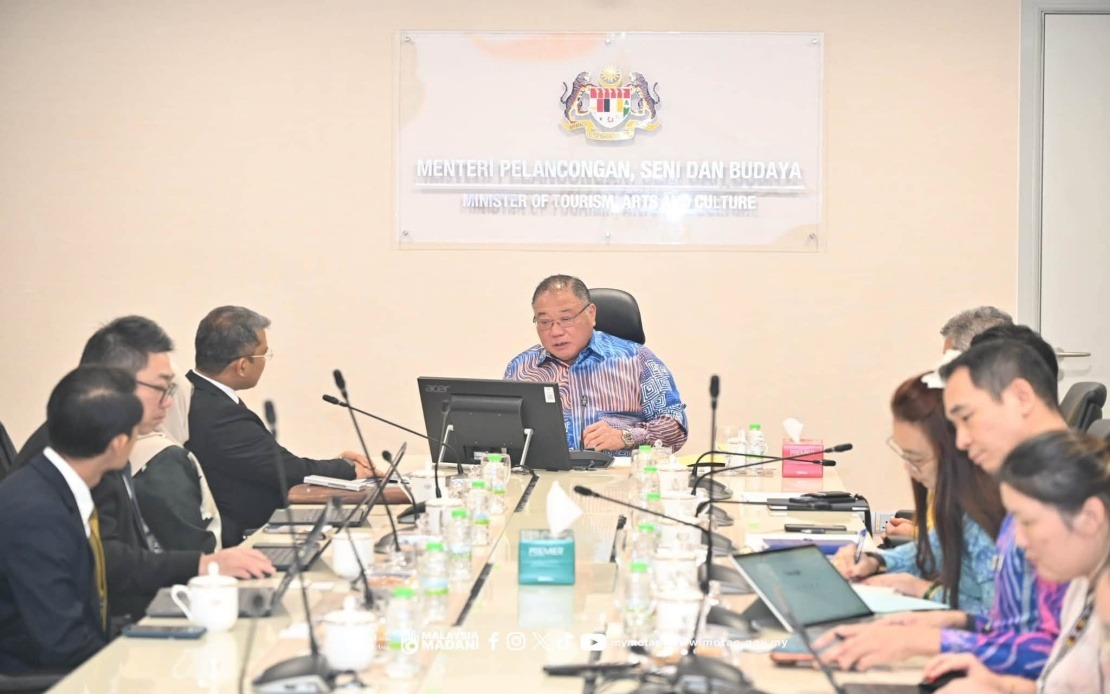
The Ministry of Tourism, Arts and Culture (MOTAC) and Malaysia Aviation Group (MAG) have committed to a strengthened strategic alliance aimed at accelerating tourist arrivals and ensuring the Visit Malaysia Year 2026 campaign reaches its full potential, with the campaign itself extended through next year to maximize impact. The partnership was formalized through discussions between Tourism, Arts and Culture Minister Datuk Seri Tiong King Sing and MAG Group president and chief executive officer Captain Nasaruddin A Bakar, underscoring the government's recognition that aviation connectivity remains fundamental to tourism competitiveness in an increasingly crowded Asian travel market.
Expanding international route networks represents a cornerstone of the collaboration, with MAG planning to broaden its presence across strategic regions including India, China, and Europe—markets with substantial middle-class populations increasingly capable of international leisure travel. The airline is simultaneously exploring opportunities in emerging destinations such as Fukuoka, where growing trade and cultural ties with Malaysia suggest untapped tourism potential. This geographic diversification addresses a critical gap in Malaysia's current connectivity profile, where certain high-value source markets remain underserved relative to competing Southeast Asian nations like Thailand and Vietnam that have aggressively pursued air route expansion.
Beyond route expansion, both organizations will coordinate joint marketing campaigns and promotional flight strategies designed to tackle the perennial challenge facing tropical destinations—managing seasonal demand fluctuations. The tourism industry in Malaysia experiences pronounced low-season troughs during certain quarters, creating capacity utilization problems for airlines and dampening revenue across accommodation, dining, and attraction sectors. Through coordinated pricing, targeted advertising campaigns, and promotional packages, the partners aim to redistribute visitor arrivals more evenly throughout the year, reducing the feast-or-famine economic cycles that burden smaller hospitality operators and ground service providers.
Maintaining competitive advantage in the region requires more than just bringing tourists to Malaysian shores; the entire visitor journey must reflect world-class standards that justify premium positioning. MOTAC and MAG have therefore committed to enhancing the passenger experience through tangible improvements across multiple touchpoints. Cabin facilities modernization, coupled with service excellence upgrades and refined in-flight catering, directly influences how international travelers perceive Malaysian hospitality at the moment they first enter the country. Equally critical is structured cabin crew training that ensures frontline staff project professionalism and cultural competence—particularly important given Malaysia's multicultural identity and aspirations to position itself as a bridge between East and West.
The partnership also acknowledges that sustainable tourism growth requires strengthening the domestic supply chain rather than concentrating benefits among major international players. By deliberately enhancing advantages for local industry stakeholders—hotels, restaurants, tour operators, handicraft producers, and ground transportation services—the collaboration creates multiplier effects throughout Malaysian communities. This inclusive approach to tourism development has proven more durable than models concentrating wealth among foreign operators, as it builds broader political and social support for tourism-friendly policies and infrastructure investment.
Malaysia's competitive position in global tourism markets has shifted markedly over the past decade, with rising competition from emerging destinations in Southeast Asia, South Asia, and beyond. Nations like Thailand have leveraged consistent government-private sector coordination to capture growing Chinese and Indian tourist flows, while Indonesia's natural advantages have been amplified through strategic airline partnerships and infrastructure development. Malaysia's tourism receipts, while substantial, have plateaued relative to potential, suggesting that integrated strategies combining aviation expansion, marketing sophistication, and service excellence offer meaningful returns on public investment.
The Visit Malaysia Year 2026 campaign represents a pivotal moment for reasserting Malaysia's position as a preferred destination for quality leisure travelers. By centralizing resources and strategic planning, MOTAC and MAG signal commitment to moving beyond incremental improvements toward transformative growth. The campaign's extension into 2027 provides extended runway for building momentum and testing innovations in destination marketing that can yield sustained benefits beyond any single promotional year.
The broader implications extend to Malaysia's economic development trajectory, as tourism constitutes a significant component of service sector growth and foreign exchange earnings. Enhanced connectivity and visitor numbers directly translate to employment creation, foreign direct investment in hospitality infrastructure, and technology transfer from international operators to local enterprises. For regional stakeholders, Malaysia's success in tourism directly benefits neighboring economies through improved regional air connectivity, increased business travel flows, and cross-border leisure tourism.
Looking forward, the success of this MOTAC-MAG partnership will largely depend on execution consistency and responsive adjustment to market dynamics. Whether the airline achieves targeted load factors during low seasons, whether marketing investments deliver proportionate visitor increases, and whether service improvements translate to positive traveler reviews remain empirical questions. However, the strategic architecture underlying the collaboration—combining supply-side aviation expansion with demand-side marketing innovation and operational excellence—reflects sophisticated understanding of contemporary tourism dynamics.

