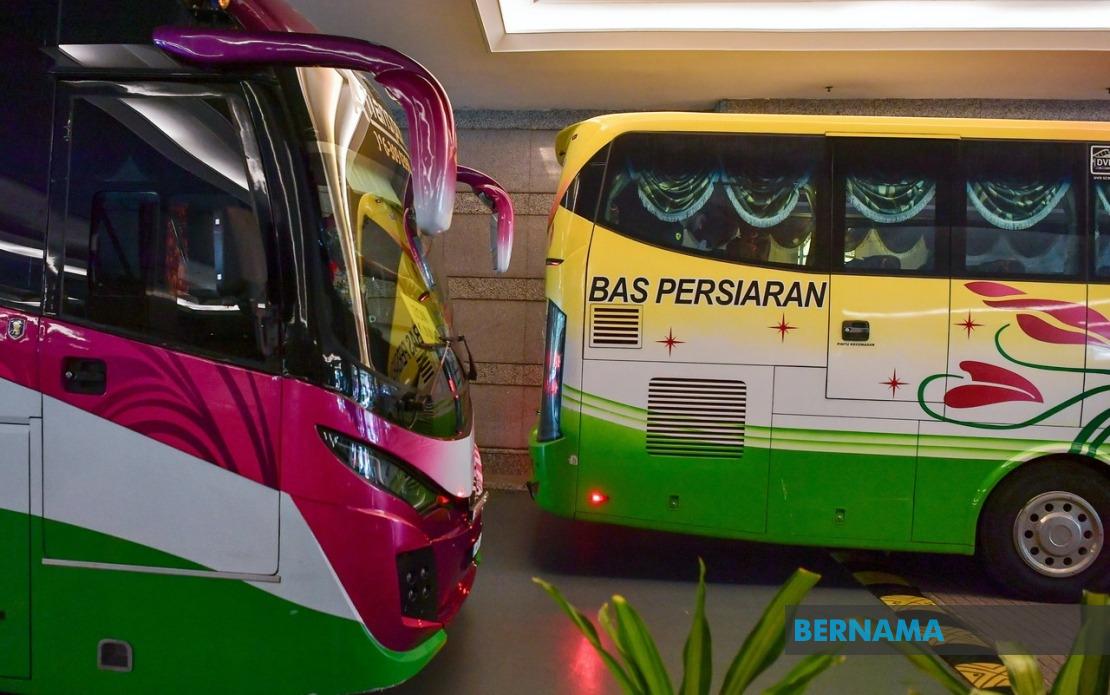
The Ministry of Tourism, Arts and Culture has issued an urgent appeal to tour bus operators and tourism associations requesting the immediate submission of diesel usage records and supporting documentation. The government intends to use this information to determine appropriate forms of financial assistance in response to rising fuel costs that have pressured the transport and tourism sector.
In a statement released on June 30, MOTAC emphasized that accurate operational data forms the foundation for any meaningful relief programme. Without comprehensive information on fuel consumption patterns and cost trajectories, the ministry argues it cannot reliably assess which operators require support and at what level. This data-driven approach reflects a cautious government stance toward expenditure, particularly as fiscal resources remain constrained.
The Ministry of Finance has signalled tentative approval for assistance measures targeting tour bus operators, contingent on the submission of verifiable evidence documenting the financial impact of elevated diesel prices. This conditionality underscores tension between industry demands for immediate relief and government requirements for rigorous financial justification before deploying public funds. The dual ministerial involvement suggests this issue crosses departmental lines and requires coordination between tourism and finance authorities.
Tour operators face particular vulnerability to fuel cost volatility because diesel represents a substantial portion of their operating expenses, directly affecting transport margins. The Middle East crisis referenced in MOTAC's statement appears to have triggered global energy price movements that rippled through Malaysia's economy, affecting logistics, transportation, and tourism competitiveness. Tour bus services depend on predictable costs to maintain margins on domestic and regional packages, making sudden fuel escalations especially disruptive.
Nine tourism associations previously submitted a formal memorandum highlighting diesel price impacts on their operations. MOTAC subsequently conducted engagement sessions with industry representatives to gather qualitative insights into operational challenges. However, the ministry has indicated that anecdotal accounts, while valuable for understanding sector sentiment, cannot substitute for hard data when justifying government expenditure or designing targeted support mechanisms.
The absence of complete data submission from operators raises questions about industry coordination and capacity. Some associations may lack systematic fuel accounting practices, while others might be reluctant to disclose operational costs for competitive or tax-reporting reasons. MOTAC's repeated calls for compliance suggest a frustrating lag between industry requests for assistance and government receipt of necessary supporting information.
Government assistance for transport operators typically takes multiple forms: direct subsidies, tax incentives, loan facilities, or temporary price controls. MOTAC's emphasis on the "suitable form and rate" of support indicates officials remain undecided on the precise mechanism. Tax incentives, commonly referenced in the statement, would provide relief through reduced fiscal obligations rather than direct payments, theoretically encouraging operational efficiency while limiting immediate budget impact.
The ministry's caution reflects broader fiscal constraints facing Malaysia's government. While supporting a strategically important tourism sector aligns with economic development priorities, assistance must be calibrated carefully to avoid creating permanent subsidy dependencies or encouraging inefficient cost structures. Ensuring support reaches genuinely affected operators rather than benefiting those with existing profit buffers requires the granular operational visibility that detailed fuel data provides.
Tourism's significance extends beyond direct economic contributions. The sector supports downstream hospitality, food service, retail, and cultural attractions, meaning tour operator distress reverberates through multiple industries. Regional competitiveness also matters—neighbouring Thailand, Indonesia, and Singapore offer competing tour packages. If Malaysian operators face systematically higher costs without offsetting advantages, they risk losing market share to regional competitors offering better pricing.
The timeline for assessment remains vague. MOTAC mentioned "follow-up measures to be implemented in stages," suggesting a phased approach rather than immediate comprehensive relief. This gradual implementation allows the government to monitor outcomes and adjust support mechanisms, but may frustrate operators seeking urgent relief from accumulated fuel cost pressures.
For Malaysian tourism stakeholders, this situation illustrates the importance of maintaining transparent, standardised operational data systems. Operators able to rapidly produce detailed fuel consumption records and cost comparisons position themselves advantageously in negotiating support, while those lacking documentation face delays or potential exclusion from relief programmes. Industry associations might consider establishing data-sharing platforms to streamline future government inquiries and collective advocacy.
Beyond immediate relief, this episode highlights structural vulnerabilities in Malaysia's tourism transport infrastructure. Heavy dependence on diesel-fuelled vehicles for domestic and regional tourism leaves operators exposed to volatile global energy markets. Longer-term solutions might include gradual fleet modernisation toward more fuel-efficient or alternative-energy vehicles, though such transitions require capital investment that distressed operators struggle to afford.
Ultimately, the government's insistence on comprehensive data before committing assistance reflects standard fiscal prudence, yet creates friction with operators facing immediate cash flow pressures. The resolution depends on industry stakeholders accelerating data submission while MOTAC and the Ministry of Finance expedite their assessment process, balancing competing imperatives of transparency and responsiveness.

