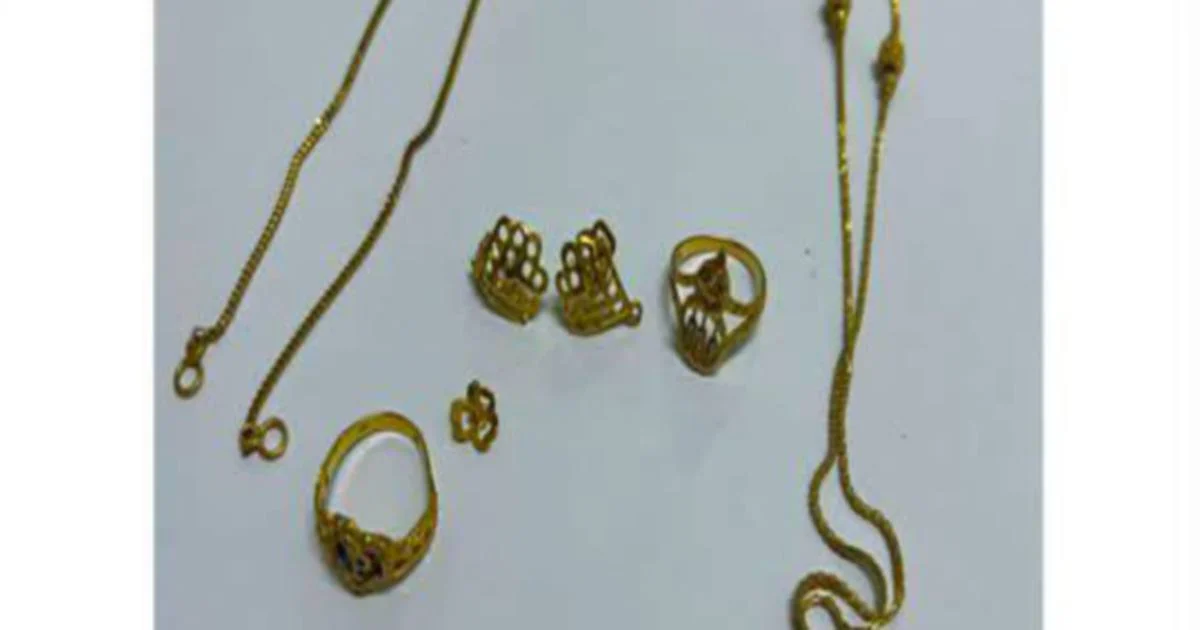
Police in Ipoh have arrested a mother and her two adult children in connection with an alleged confidence scheme targeting an elderly woman, with the suspects accused of impersonating government welfare officers to gain access to the victim's home and belongings. The trio is believed to have deceived a 67-year-old resident out of jewellery estimated to be worth around RM8,000 through a fraudulent operation that exploited the victim's trust in official authorities.
This case exemplifies a particularly troubling category of street crime that has been steadily documented across Malaysia in recent years. Impersonation scams targeting the elderly represent a sophisticated breach of public confidence, as perpetrators weaponise the legitimacy and authority associated with government institutions to manipulate vulnerable populations. The welfare officer disguise proves especially effective because such officials typically conduct home visits as part of routine administrative procedures, making the ruse credible and difficult for unsuspecting residents to question immediately.
Similar schemes have surfaced periodically throughout the region, often involving small family operations or organised syndicates that recruit relatives to participate in the fraud. The involvement of a mother and her children in this particular instance raises concerning questions about how family units become organised around criminal activities, suggesting either economic desperation or deliberate criminal enterprise at the household level. Law enforcement agencies across Southeast Asia have noted an uptick in such family-based fraud networks, which benefit from the inherent trust dynamics within household units and the difficulty in prosecution when family members are involved.
The target demographic in such cases—elderly individuals living in residential areas of mid-sized cities like Ipoh—reflects a deliberate selection strategy by perpetrators. Older citizens are often perceived as more trusting of authority figures, less likely to immediately verify credentials through official channels, and may possess accumulated jewellery or valuables accumulated over decades. The specificity of the RM8,000 valuation suggests that the victims and perpetrators likely had prior knowledge or observation of what goods were available in the home, pointing to a potentially targeted operation rather than random opportunism.
For Malaysian residents, particularly those in smaller cities or suburban areas, this arrest underscores the critical importance of verifying the identity of officials before granting them household access. Government welfare officers typically carry official identification and can be confirmed through government hotlines or local council offices before any meaningful conversation or property access occurs. Establishing this verification protocol is especially important for elderly residents or those living alone, who remain disproportionately vulnerable to such schemes.
The arrest itself represents part of ongoing law enforcement efforts to combat fraud networks that exploit institutional trust. Police investigations into such cases typically attempt to trace the disposal of stolen goods, which often enters the secondary jewellery market or informal pawn networks. Tracking these transactions can sometimes lead to the identification of fence networks that specialise in converting stolen valuables into liquid assets, potentially disrupting larger criminal organisations.
The Perak Police's successful investigation and apprehension in this case demonstrates the application of systematic detective work to fraud incidents that might otherwise be considered low-priority given the relatively modest financial loss compared to other crimes. However, law enforcement has come to understand that addressing these cases matters beyond the individual loss, as such crimes generate psychological impacts within communities and erode public confidence in legitimate welfare services when elderly residents become fearful of opening their doors to actual government officers.
From a community safety perspective, this incident serves as a reminder that elderly care and protection extends beyond physical health monitoring to encompassing fraud awareness and household security practices. Family members of older relatives should regularly discuss security protocols, including the verification of official callers, recognition of common scam tactics, and the desirability of having trusted neighbours or relatives present during any official visits. Neighbourhood watch programmes in residential areas frequented by elderly residents can also serve as early warning systems for suspicious activity or unfamiliar individuals moving between homes in a coordinated manner.
The arrest of all three suspects—a coordinated action suggesting that police gathered sufficient evidence of direct participation by each family member—indicates that the investigation moved swiftly from initial complaint to apprehension. This operational efficiency is partly attributable to improved communication channels between police and the public, though it also reflects the fact that such fraud networks often leave traceable evidence in the form of witness descriptions, footage from neighbourhood security cameras, or financial records linked to the disposal of stolen goods.
Moving forward, public health authorities and law enforcement agencies should consider collaborative awareness campaigns targeting elderly residents and their families, explaining the mechanics of these impersonation schemes and the appropriate procedures for verifying official visits. Providing elderly citizens with reference numbers or contact procedures for confirming welfare officer visits through official channels would significantly reduce vulnerability to such scams without creating barriers to legitimate government services reaching those who genuinely require assistance.
The resolution of this case through arrests and ongoing investigation offers a measure of accountability and may deter similar operations, at least temporarily. However, the underlying vulnerabilities—trust in authority, relative isolation of elderly residents, and the convertibility of jewellery into cash through informal channels—suggest that such schemes will persist without sustained community education and improved security consciousness among potential victims.

