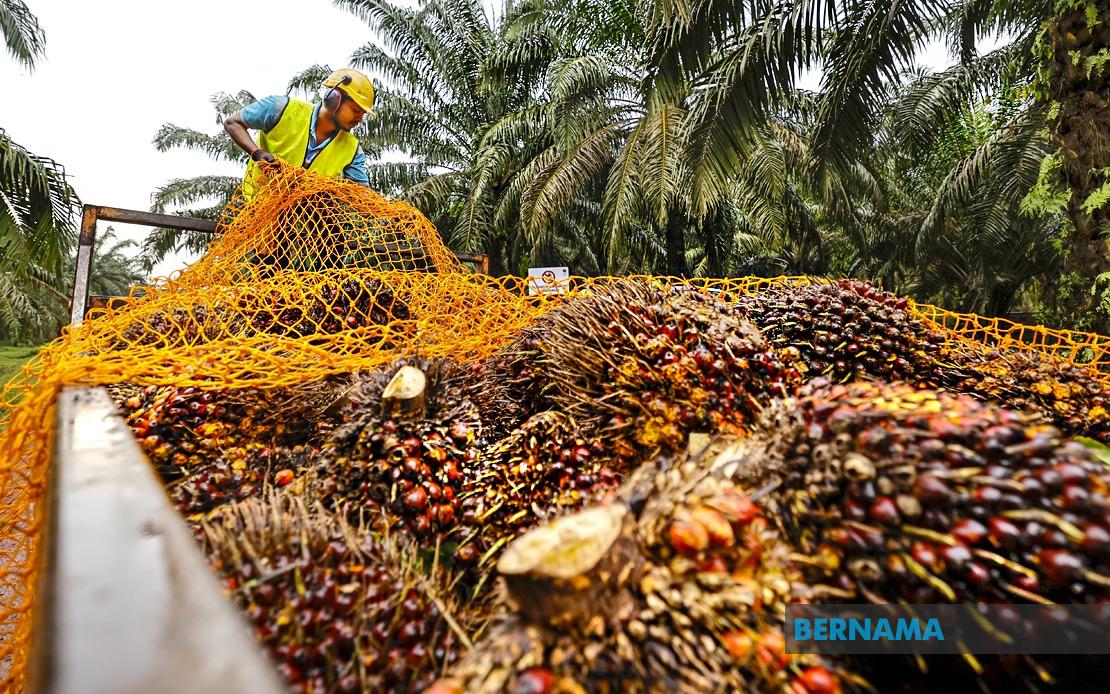
Melaka's palm oil sector is set for a significant modernisation push with the Malaysian Palm Oil Board's (MPOB) commitment to establish a comprehensive research station on a 40.47-hectare site in Seri Mendapat, Sungai Rambai. The facility, estimated to cost between RM20 million and RM25 million, forms part of the 13th Malaysia Plan and represents a strategic investment in transforming commodity-dependent rural communities into knowledge-intensive hubs. Melaka Chief Minister Datuk Seri Ab Rauf Yusoh announced the initiative at Kampung Seri Mendapat, positioning it as one of three flagship programmes designed to reshape the state's agricultural landscape.
The research station will function as a multifaceted facility combining production, education, and support infrastructure. Its design encompasses a functioning model plantation alongside dedicated research and development facilities equipped with modern laboratory capabilities, training spaces for farmers and agricultural professionals, and residential quarters for TUNAS advisory staff and enforcement personnel. This integrated approach reflects a broader shift in Malaysia's palm oil strategy away from production-only models toward ecosystems that emphasise knowledge transfer, technological advancement, and sector-wide capacity building.
Sungai Rambai's emergence as a potential hub for palm oil innovation carries particular significance given the region's agricultural demographics. Nearly 45 percent of the local population depends on farming and smallholding activities for livelihood, meaning the research station's presence could reshape economic prospects for thousands of households. The facility's emphasis on training and advisory services addresses a persistent challenge in Malaysian smallholder agriculture: the knowledge and technology gap that often prevents small operators from achieving competitive yields or accessing modern practices that larger operations take for granted.
The initiative arrives alongside complementary support mechanisms designed to strengthen the sector from multiple angles. The MPOB has recently introduced the Smallholder Oil Palm Replanting Financing Incentive Scheme 2.0, which offers qualifying smallholders up to RM14,000 per hectare to replace ageing, unproductive palms with high-yielding improved varieties. Crucially, repayment obligations do not commence until the fifth year, effectively providing a grace period that shields smallholders from immediate financial pressure during the critical establishment phase when new plantings require intensive care but generate no revenue.
Community infrastructure improvements underway in the area reveal how the state government is attempting to address bottlenecks limiting smallholder competitiveness. A five-kilometre private farm road currently under development at Ladang Lembah Kesang in Mukim Semujuk represents what Ab Rauf characterised as a foundational investment in rural logistics. While the RM400,000 allocation might appear modest compared to the research station's scale, the road's impact on over 200 smallholders is substantial: it reduces transportation time to markets, lowers delivery costs, and improves farmer mobility and market access. For agricultural producers operating on thin margins, such infrastructure efficiencies directly translate into improved profitability and competitiveness.
Flood mitigation efforts running concurrently with these agricultural development initiatives reflect recognition that rural prosperity depends on environmental stability. The state has allocated RM350,000 for drainage improvements along a 300-metre Sungai Sebatu outlet, directly addressing flood vulnerability that has historically damaged crops and disrupted livelihoods in the fishing community. Additionally, the state has requested RM200,000 federal support for upgrading an ageing watergate at Jeti Sebatu, indicating collaborative governance approaches to infrastructure challenges that transcend state boundaries.
The broader strategic logic underlying these investments signals Melaka's determination to transition from commodity producer to value-added agricultural entrepreneur. Rather than accepting the commodity sector as a perpetual source of basic income, the state government articulates a vision of a modernised, competitive agricultural economy positioned to capture greater value along supply chains. For Southeast Asia's palm oil sector, facing persistent sustainability scrutiny and pressure from international markets demanding traceability and environmental stewardship, research-driven approaches like Melaka's offer a pathway toward demonstrating that the industry can simultaneously improve productivity, profitability, and environmental performance.
For Malaysian smallholders nationwide, the Sungai Rambai facility's establishment carries implications extending beyond Melaka's borders. As a centralised research and training platform, it can generate knowledge and best practices applicable across Malaysia's palm oil regions. The facility's dual focus on practical demonstration through its model plantation and formal research through dedicated laboratories creates opportunities for knowledge transfer that benefits not only directly trained farmers but also their peers through networks and agricultural extension services. This multiplier effect amplifies the project's economic impact relative to its direct cost.
The research station's emergence also reflects shifting dynamics in how Malaysian government and semi-government agencies approach agricultural development. Rather than top-down prescriptive approaches, the integrated model combining research, demonstration, training, and farmer support quarters suggests an investment in sustained engagement with rural communities. By creating physical spaces where farmers can access expertise, observe demonstrated results, and network with peers facing similar challenges, the MPOB facility potentially addresses psychological and informational barriers that sometimes prevent adoption of improved agricultural practices.
Melaka's investment in palm oil modernisation must be understood within the context of Malaysia's global positioning in an increasingly challenging sector. International sustainability pressures, volatile commodity prices, and demographic shifts as younger generations migrate from agriculture all create pressure for rural communities to either improve efficiency substantially or face decline. Through combined investments in research infrastructure, smallholder financing, rural logistics, and environmental protection, Melaka is constructing a comprehensive support ecosystem designed to make palm oil agriculture sufficiently profitable and viable to retain young farmers and attract new investment.
The RM20-25 million research station investment and accompanying RM400,000 road project represent meaningful but modest commitments when measured against Malaysia's total agricultural budget. Yet their strategic location in a region where nearly half the population depends directly on farming suggests careful targeting of limited resources toward communities where impact per ringgit invested can be substantial. For other Malaysian states and for regional policymakers observing Melaka's approach, the combination of advanced research infrastructure, targeted smallholder support, and foundational rural development offers a replicable model for agricultural modernisation.
As implementation progresses, the success of Melaka's palm oil transformation agenda will ultimately depend on whether research-generated innovations reach farmers, whether training translates into changed practices, and whether infrastructure improvements materialise the promised cost savings. The research station's establishment marks the beginning rather than completion of this modernisation journey, requiring sustained commitment to moving knowledge into practice across a sector employing tens of thousands in the state. The broader significance lies in demonstrating that Malaysia continues to view agricultural modernisation as central to rural prosperity and national competitiveness.

