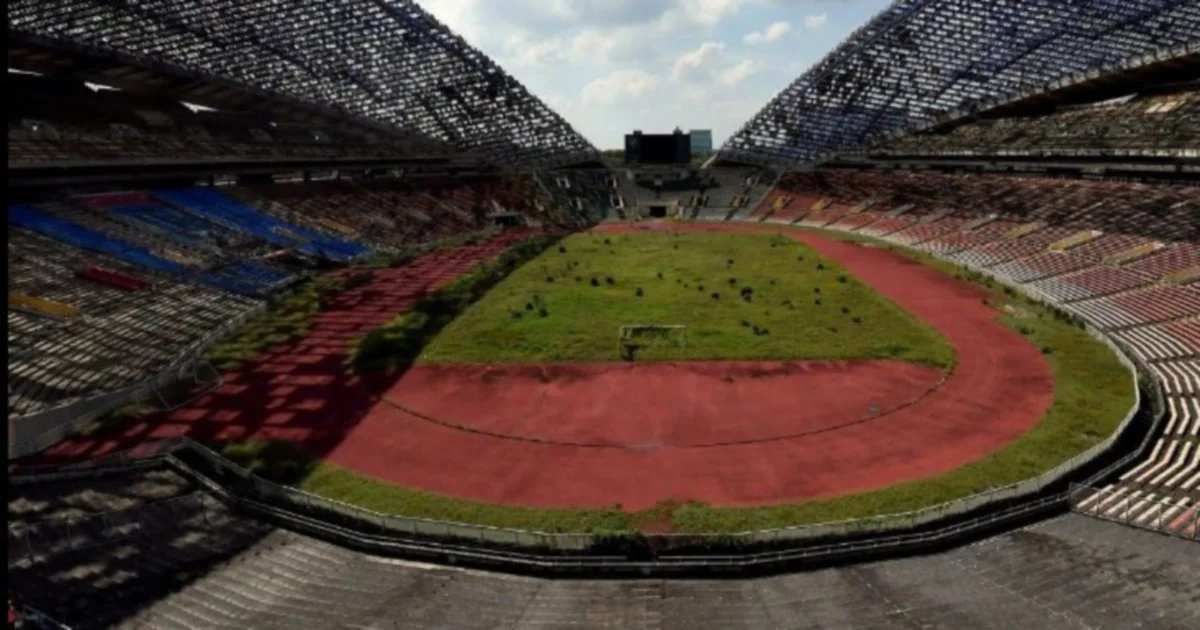
Malaysian Resources Corporation Bhd (MRCB) has successfully obtained a consent judgment through Shah Alam High Court proceedings against activist Abdul Razak Ismail, stemming from online publications the developer claims harmed its interests in connection with the demolition and redevelopment of Shah Alam Stadium. The court order represents an escalation in corporate legal action against digital activism in Malaysia, where developers increasingly turn to the judiciary to challenge online criticism of major infrastructure projects.
The case centres on online content disseminated by Ismail regarding MRCB's role in the stadium demolition and subsequent redevelopment plans. The corporation contended that these publications caused measurable economic damage to its business operations and reputation. The consent judgment—an agreement reached between both parties with court approval—signals resolution of the dispute without proceeding to a full trial, though the terms remain subject to court records.
This legal manoeuvre underscores growing tensions between corporate interests and activist voices in Malaysia's digital sphere. As major construction projects increasingly draw public scrutiny through social media and online platforms, developers have begun deploying legal mechanisms to counter what they perceive as damaging narratives. The Shah Alam Stadium case illustrates how traditional defamation and economic harm arguments are being applied to digital-age activism and protest movements.
Shah Alam Stadium, a prominent sporting facility in Selangor, has been central to debates over urban development priorities in Malaysia's most economically dynamic state. MRCB's redevelopment vision represents significant capital investment and represents the type of large-scale urban transformation that generates competing visions for public land use. Activists like Ismail have questioned whether demolition serves public interest or prioritises commercial development over heritage and community needs.
The broader implications for Malaysia's civic space warrant careful consideration. Consent judgments, while avoiding protracted litigation, can create chilling effects on public discourse when activists face legal jeopardy for expressing concerns about infrastructure projects. The requirement for online publishers to validate claims rigorously—or risk litigation—may discourage legitimate criticism of development decisions that affect communities. Malaysia's media landscape has already experienced contraction in investigative reporting around property development, and courtroom victories against digital activists could further narrow space for scrutiny.
From a developer's perspective, legal action represents a rational business response to reputational threats in an era where online narratives can influence stakeholder confidence, investor sentiment, and regulatory relationships. Major corporations across Asia increasingly litigate against online critics, framing such action as necessary protection of intellectual property, commercial confidentiality, and business reputation. MRCB's case reflects this regional pattern, where traditional defamation doctrines encounter digital-era challenges around scale, permanence, and reach of online speech.
The Shah Alam precedent may influence how other Malaysian developers respond to online activism. If consent judgments prove effective at silencing or deterring critical commentary, similar strategies could proliferate across the property sector. This would likely concentrate power over public narratives about development projects in corporate hands, disadvantaging community groups and individual activists lacking resources for protracted legal defence. The asymmetry in legal capacity between major corporations and grassroots activists creates conditions where litigation itself becomes a tool for narrative control.
For Southeast Asian observers, Malaysia's trajectory reflects regional trends toward increased corporate use of litigation against digital dissent. Thailand, Vietnam, and Cambodia have seen similar patterns where defamation laws and economic harm doctrines are weaponised against online critics. What distinguishes Malaysia is its relatively robust judiciary and established legal procedures, meaning cases proceed through formal channels rather than arbitrary enforcement. This institutional legitimacy, however, may obscure the underlying effect: suppression of speech through legal mechanisms rather than direct censorship.
The consent judgment also raises questions about settlement transparency. Without full disclosure of terms, the public cannot assess whether Ismail agreed to cease criticism, issue corrections, pay damages, or merely acknowledge MRCB's claims. This opacity prevents the public from understanding what speech boundaries the court system is effectively establishing around development projects. In an era of institutional distrust, such secrecy around legal settlements fuels speculation and undermines confidence in judicial outcomes.
Moving forward, this case may prompt Malaysian civil society organisations and digital rights advocates to scrutinise corporate litigation strategies more rigorously. Press freedom organisations and legal reform groups may increasingly monitor defamation cases targeting online activists, recognising that cumulative legal pressure can reshape public discourse independent of any individual case outcome. The Shah Alam Stadium judgment thus represents not merely one developer's victory against one critic, but a potential inflection point in how Malaysian courts engage with digital activism and public debate around major infrastructure decisions.
For policymakers, the case underscores need for clearer frameworks balancing corporate protection with public interest in scrutinising development projects. Whether through defamation law reform, procedural safeguards for defendants facing corporate litigation, or enhanced transparency requirements around settlements, Malaysia faces choices about what kind of public discourse it will cultivate around major infrastructure decisions. The Shah Alam Stadium matter suggests those choices are increasingly being made in courtrooms rather than legislatures.

