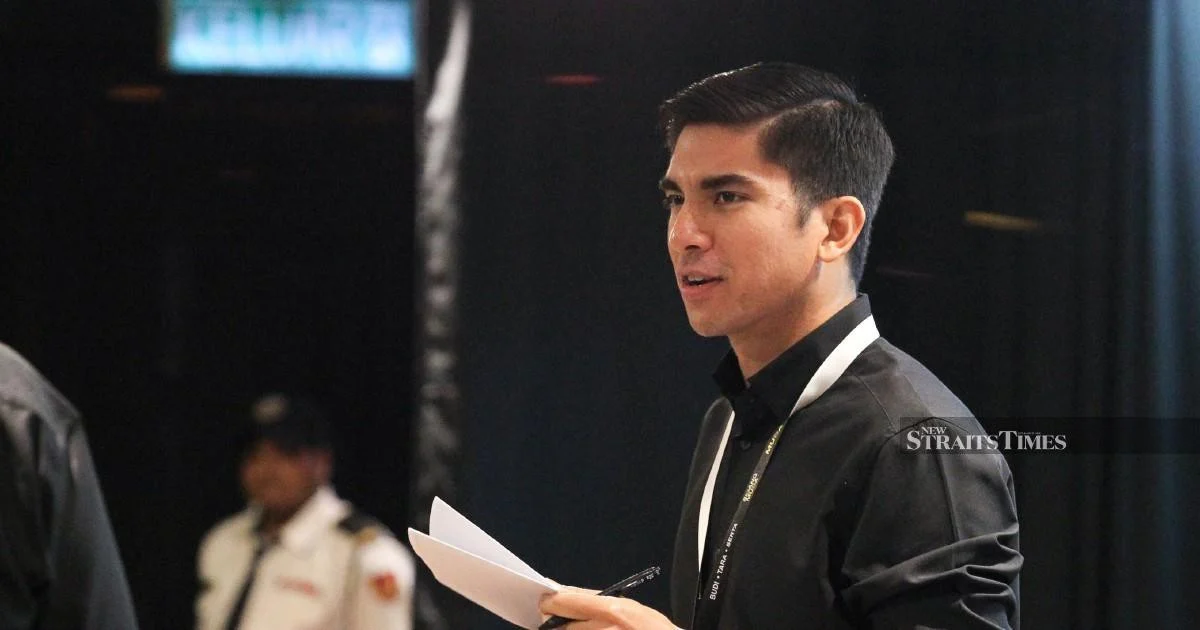
Muar's representative in parliament, Syed Saddiq Syed Abdul Rahman, has announced his intention to dedicate RM115,000 from income generated through a fresh part-time arrangement towards advancing his parliamentary constituency. The commitment reflects an approach where supplementary income derived from professional engagements outside parliamentary duties would be reinvested directly into community-level initiatives and development projects in Muar.
The decision underscores a growing trend among Malaysian legislators who undertake multiple roles while serving their constituencies. Politicians in Malaysia have increasingly taken on consulting positions, corporate board appointments, and advisory roles to diversify their income streams, particularly given the fixed nature of parliamentary remuneration. This practice raises important questions about work-life balance for elected officials and their capacity to dedicate full attention to constituency matters.
For Muar, a parliamentary constituency with a population that has faced competing demands from industrial development and agricultural heritage preservation, the allocation of RM115,000 represents a meaningful injection of resources. This sum could address various constituency needs, from upgrading local infrastructure to supporting community programmes, educational initiatives, or welfare assistance schemes. The specific deployment of these funds will likely reflect priorities identified through engagement with local residents and community leaders.
Syed Saddiq's commitment to channelling external earnings back to his constituency demonstrates awareness of public scrutiny regarding politicians who hold lucrative outside positions. By explicitly committing to redirect these funds locally, he positions the arrangement as a net gain for his constituents rather than a personal enrichment exercise. This transparency is increasingly expected by voters who monitor how their elected representatives manage time and financial resources.
The move also reflects the broader Malaysian political context where younger, more progressive legislators often emphasise greater accountability and clearer linkage between personal gains and public benefit. Syed Saddiq, known for his engagement with youth politics and digital-savvy constituencies, has positioned himself as representing a generation of politicians conscious of ethical governance standards. His explicit declaration of how supplementary income will be utilised sets a precedent that other representatives may face pressure to emulate.
Partisan considerations matter here as well. Syed Saddiq represents Muar under the Malaysian United Democratic Alliance banner, operating within a complex political landscape where both state and federal government support can significantly influence constituency development programmes. How effectively he deploys this RM115,000 relative to government allocations will influence his standing with constituents and his broader political trajectory within the coalition framework.
The timing of such announcements often carries political weight in Malaysia. By publicising his commitment to channel supplementary income towards constituency development before questions arise, Syed Saddiq preempts potential criticism and demonstrates proactive accountability. This approach contrasts with scenarios where politicians face backlash after external income arrangements become public knowledge, forcing defensive explanations or belated promises of fund allocation.
For Muar residents, the practical impact depends on how efficiently and transparently these funds are deployed. RM115,000 is substantial enough to fund several meaningful projects but modest enough that its impact requires careful prioritisation. Whether these resources address immediate infrastructure gaps, support long-term capacity building, or assist vulnerable populations will shape constituent perception of the arrangement's value. The accountability mechanisms for tracking how these funds are spent will also matter significantly.
This development occurs amid broader conversations across Southeast Asia about parliamentarian income sources and conflict-of-interest regulations. Different regional democracies maintain varying standards regarding outside employment, with some countries imposing stricter limitations on supplementary income while others permit broader engagement. Malaysia's relatively permissive approach allows legislators substantial flexibility, making voluntary commitments to redirect earnings like Syed Saddiq's particularly significant as demonstrations of self-imposed ethical standards.
The sustainability of Syed Saddiq's funding commitment also warrants consideration. Should the part-time arrangement extend beyond initial periods, the RM115,000 could represent annual contributions, creating meaningful continuity in constituency support. However, uncertainties inherent in external engagements mean such income streams may not persist indefinitely. Constituents will naturally assess whether this represents a temporary gesture or a durable commitment to enriching local development.
Looking forward, Syed Saddiq's initiative may influence how other Malaysian parliamentarians communicate about supplementary income sources. It establishes a baseline expectation that at least a portion of external earnings should demonstrably benefit the constituencies represented. Whether this inspires broader adoption of similar practices across Malaysia's political spectrum, or remains a distinctive personal commitment, will become apparent as other representatives navigate comparable situations and public expectations regarding parliamentarian conduct continue evolving.