The Malaysian United Democratic Alliance (MUDA) has unveiled Rashifa Aljunied as its chosen representative for the Puteri Wangsa constituency in the upcoming Johor state election, continuing the party's electoral efforts in a seat it held after the 2022 polls. The announcement, delivered by MUDA president Amira Aisya Abdul Aziz during a media briefing in Johor Bahru on June 20, marks a generational shift for the party as it prepares for fresh electoral competition in Malaysia's southern heartland.
Rashifa, who is 26 years old and currently serves as head of the Puteri Wangsa service centre, represents a younger cohort of political candidates stepping into state-level contests. Her nomination follows intensive deliberations among MUDA's senior leadership and party structures, reflecting the organisation's commitment to a structured candidate selection process. The move signals the party's confidence in Rashifa's capability to represent constituent interests despite her relative youth in electoral politics.
Amira Aisya's decision to step back from defending the Puteri Wangsa seat reflects her political repositioning ahead of the 16th General Election, where she intends to contest a parliamentary constituency. This pivot underscores how state elections serve as testing grounds for politicians building national-level credentials, with Amira Aisya using the state contest as an opportunity to consolidate resources for federal politics. The transition also enables MUDA to demonstrate organisational depth by successfully transitioning its parliamentary leader to new frontiers while maintaining representation in previously held territory.
MUDA's Puteri Wangsa victory in 2022 represented a significant breakthrough for the party in Johor, a state traditionally dominated by Barisan Nasional and Perikatan Nasional machinery. Amira Aisya's triumph in that contest was decisive, securing a commanding majority of 7,114 votes despite facing competition from six candidates across the electoral landscape. This achievement established MUDA's foothold in an urban constituency and validated its appeal among younger, progressively-minded voters in Johor's suburban communities.
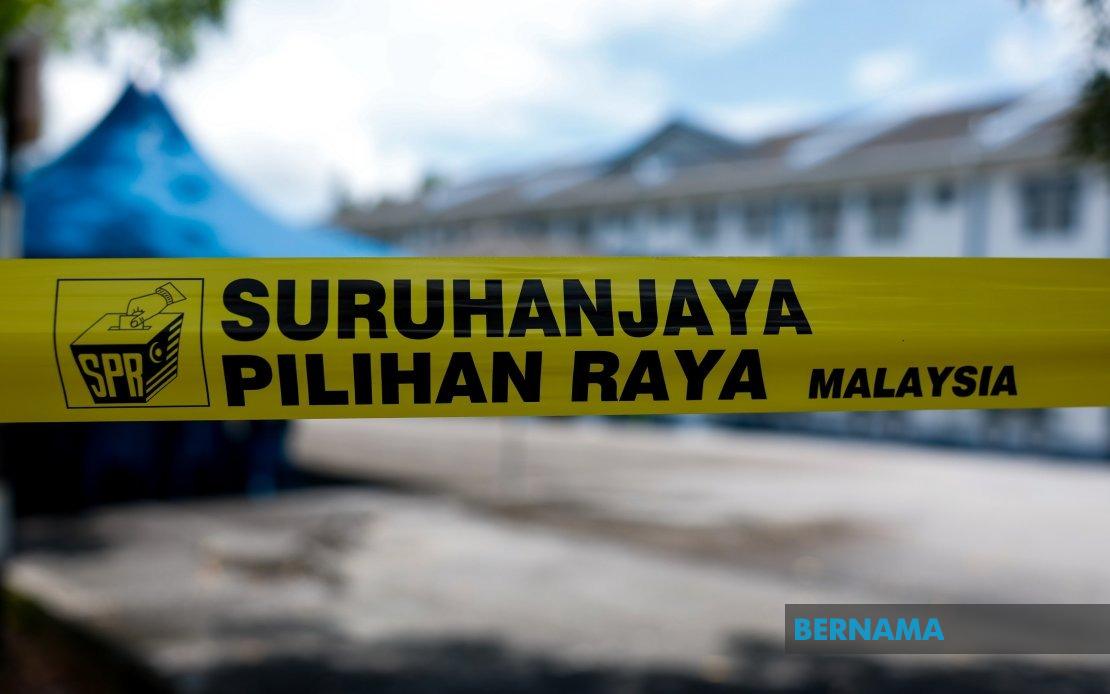
The electoral calendar for the Johor state election emphasises the concentrated timeline parties must navigate. The Election Commission has designated July 11 as polling day, with nomination procedures commencing on June 27 and early voting opportunities available from July 7. This compressed schedule demands efficient campaign organisation, resource allocation, and messaging strategies from all contesting parties, requiring MUDA to mobilise its machinery rapidly across multiple constituencies.
MUDA signalled its intention to provide comprehensive candidate announcements for the Johor state election during a subsequent media engagement scheduled in Kuala Lumpur, indicating the party's systematic approach to revealing its full electoral slate. This phased disclosure strategy allows the party to control media narratives and build anticipatory momentum across different phases of candidate announcements. The decision to hold this additional briefing in the national capital suggests MUDA views the Johor election as part of broader national political calculations.
The nomination of Rashifa carries implications for how opposition parties structure intergenerational leadership transitions in Malaysia. By positioning younger candidates like Rashifa in constituencies where the party has established voter confidence, MUDA demonstrates succession planning that blends continuity with renewal. This approach differs from parachuting inexperienced candidates into hostile electoral terrain, instead leveraging existing voter goodwill to mentor emerging political voices.
Puteri Wangsa's demography and electoral history position it as a critical testing ground for urban opposition politics in Johor. The constituency's previous receptiveness to MUDA suggests favourable conditions for opposition consolidation among educated, employed voters concerned with issues including transparency, meritocracy, and democratic participation. Rashifa's appointment indicates the party believes these voters will remain committed to its political platform despite leadership changes.
The Johor state election assumes heightened significance within Malaysia's political trajectory, occurring amid broader discussions about federal-state power distribution and opposition coalition building. MUDA's performance across multiple constituencies will influence perceptions of third-force viability in Malaysian politics, particularly its capacity to compete effectively outside peninsular urban strongholds. The Puteri Wangsa contest provides a microcosm of these larger strategic questions.
Rashifa's candidacy also reflects evolving gender dynamics in Malaysian electoral politics, where younger female candidates increasingly secure nominations in competitive constituencies rather than being reserved for marginal seats. Her emergence signals MUDA's commitment to substantive female political participation beyond symbolic representation, positioning her as a potential legislative voice shaping policy deliberations.
As campaign activities intensify across the state, MUDA faces the strategic challenge of transferring the voter coalition that elected Amira Aisya to a new candidate while simultaneously contesting across numerous constituencies with fresh representatives. The party's success in Puteri Wangsa will significantly influence broader assessments of MUDA's institutional strength and electoral sustainability in Malaysia's competitive political landscape.
%22%2F%3E%3C%2Fpattern%3E%3C%2Fdefs%3E%3Crect%20width%3D%22100%25%22%20height%3D%22100%25%22%20fill%3D%22url(%23phf3lfg)%22%2F%3E%3Crect%20width%3D%22100%25%22%20height%3D%22100%25%22%20fill%3D%22url(%23phf3lfp)%22%2F%3E%3Ctext%20x%3D%2250%25%22%20y%3D%2250%25%22%20text-anchor%3D%22middle%22%20dominant-baseline%3D%22central%22%20fill%3D%22rgba(255%2C255%2C255%2C0.95)%22%20font-family%3D%22Georgia%2C%20'Times%20New%20Roman'%2C%20serif%22%20font-weight%3D%22700%22%20font-size%3D%22272%22%20letter-spacing%3D%22-0.02em%22%3EAnwar%3C%2Ftext%3E%3C%2Fsvg%3E)