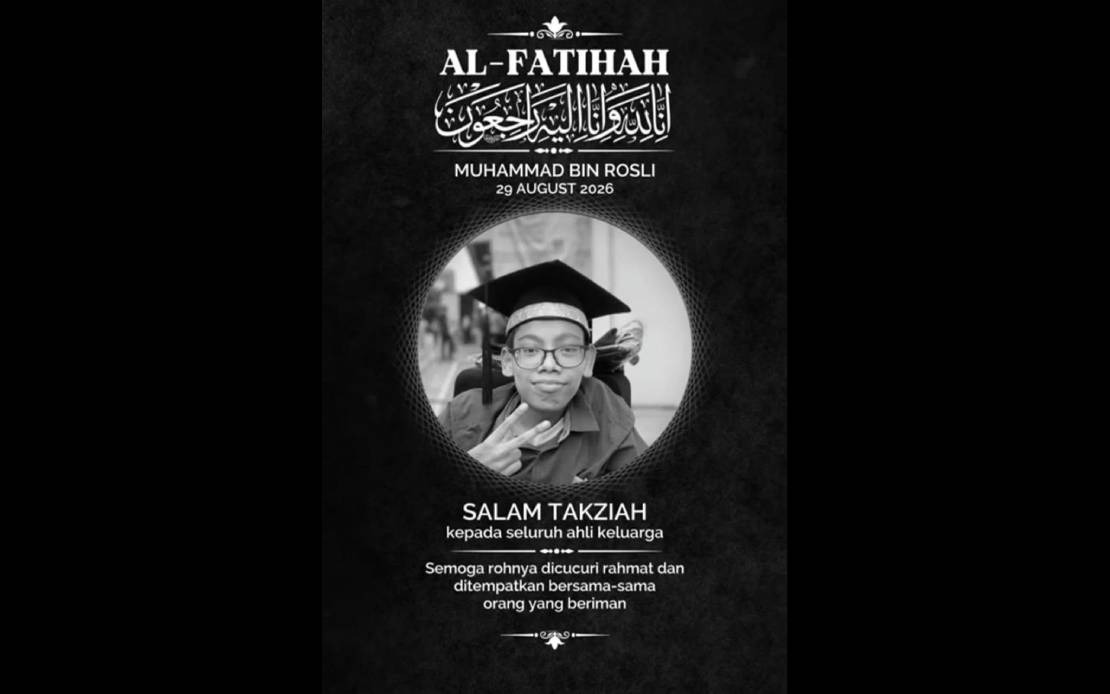
Muhammad Rosli, the Malaysian man who became a symbol of medical triumph when he and his twin brother Ahmad were separated through pioneering surgical intervention in 2002, passed away this morning at Chancellor Tuanku Muhriz Hospital in Cheras, Kuala Lumpur. He was 22 years old. The announcement came through a Facebook post from Ahmad, his older twin brother, who confirmed the death occurred at 10:45 am local time. Ahmad expressed gratitude for the prayers and support that had sustained the family through their long medical journey. Muhammad's remains were laid to rest at USJ 22 Muslim Cemetery in Subang Jaya the same evening, concluding a life that had captured Malaysia's collective imagination two decades earlier.
The separation of Muhammad and Ahmad represented one of the most complex surgical achievements in Malaysian medical history. In 2001, the twins first underwent a liver-splitting procedure at the University Malaya Medical Centre in Kuala Lumpur, representing the initial phase of their separation. The definitive and final separation came in September 2002, when both underwent an extraordinarily intricate 22-hour and 45-minute operation at King Fahd National Guard Hospital in Riyadh, Saudi Arabia. That successful surgery freed them from their physical dependence on one another and allowed each to live independently—a feat that made international headlines and demonstrated the capabilities of Malaysian and international medical expertise.
Muhammad's recent health challenges emerged when he was diagnosed with bladder cancer and admitted to King Fahd National Guard Hospital in Riyadh beginning in July 2025 for aggressive treatment protocols. Over the course of his hospitalisation, he endured five separate surgical procedures and underwent five rounds of chemotherapy as medical teams battled the malignancy. Initially, the intensive treatment appeared to yield positive results, and Muhammad was declared cancer-free, allowing him to transition to a regimen of periodic follow-up monitoring. The family had hoped this marked a turning point toward recovery and a return to normal life.
However, Muhammad's condition deteriorated sharply in recent days. According to Ahmad's communications yesterday, Muhammad's blood acid levels became dangerously elevated, a development that triggered rapid clinical decline. The elevation in blood chemistry pushed him into a semi-conscious state, signalling that his body was entering a critical phase from which recovery seemed increasingly unlikely. This sudden turn came as a shock to those who had followed his medical progress with optimism, given his earlier cancer remission. The specific cause of the elevated acid levels and their role in his final hours remains part of the medical narrative surrounding his death.
The life and medical experience of Muhammad Rosli carries profound significance for Malaysia's medical community and for families facing similar congenital challenges. His case belonged to a rare category of medical conditions requiring international expertise and cutting-edge surgical techniques that were not readily available domestically at the time. The decision to pursue separation surgery reflected the family's determination and the willingness of medical professionals to undertake extraordinary procedures in pursuit of quality of life improvements. The successful outcome in 2002 provided both Muhammad and Ahmad with the opportunity to develop as separate individuals, pursue their own interests, and experience autonomy in ways their conjoined condition had previously precluded.
Muhammad's passage also underscores the precarious nature of life even after major medical obstacles have been overcome. Survivors of complex childhood surgeries often face long-term health complications, as the body adapts to significant structural changes and carries the ongoing effects of extensive surgical intervention. In Muhammad's case, the emergence of bladder cancer in his early twenties may have represented either an unrelated development or a potential late consequence of his previous medical history—a connection that only detailed medical analysis could establish. His journey from celebrated survivor to cancer patient to his death at just 22 represents the unpredictable trajectory that medical marvels can take.
For Malaysia, the loss of Muhammad Rosli closes a significant chapter in the nation's medical heritage. His case had become emblematic of Malaysian resilience and international medical collaboration during the early 2000s, a period when such complex procedures were relatively uncommon and remarkable. Younger Malaysians who grew up during that era remember the extensive media coverage and the national pride that accompanied the successful separation. His twin brother Ahmad remains as a living testament to that surgical achievement, and his passing prompts reflection on how families navigate the long-term consequences of extraordinary medical interventions performed in childhood.
The circumstances surrounding Muhammad's death also highlight the challenges that arise when Malaysian patients require ongoing specialised treatment abroad. While King Fahd National Guard Hospital in Riyadh had provided the surgical expertise necessary for the initial separation, extended cancer treatment overseas involves substantial financial, logistical, and emotional burdens for families. The fact that Muhammad required chemotherapy and multiple surgical interventions across several months illustrates the demanding nature of cancer care, even when initial remission appears achievable. His case may prompt further discussion about developing and strengthening Malaysia's own oncology and specialist surgical capabilities to reduce dependence on foreign healthcare facilities for critical treatments.
Ahmad's public acknowledgment of his brother's death through social media represents a contemporary way of processing grief while sharing important life milestones with the broader community. His gratitude for the prayers and support reflects the spiritual comfort that many Malaysians draw upon during bereavement. The posting also preserves the public memory of Muhammad's extraordinary life and medical history, ensuring that the narrative of their separation and subsequent experiences remains part of Malaysian cultural consciousness. In this way, Muhammad's legacy extends beyond his individual life to encompass the collective national memory of medical achievement and human resilience.

