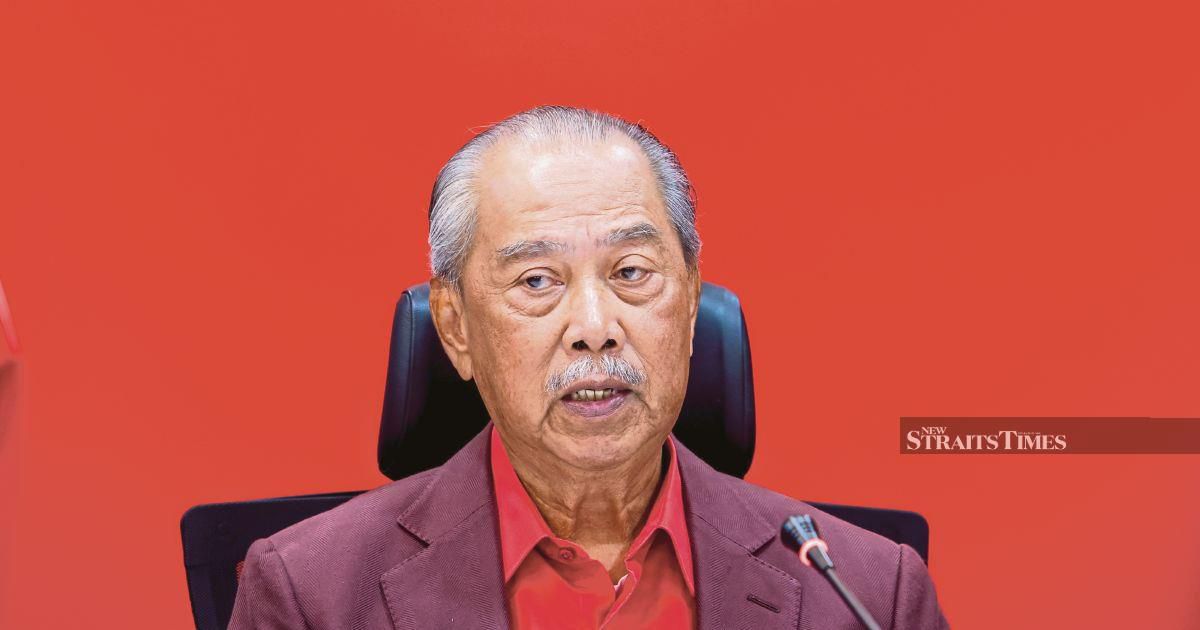
Bersatu president Tan Sri Muhyiddin Yassin has levelled serious accusations at Umno, alleging that Malaysia's largest Malay-Muslim party is orchestrating a coordinated campaign to destabilise the current unity government. The allegation, made in Kuala Lumpur, suggests a pattern of calculated moves intended to fracture the governing coalition that Bersatu formed with Pakatan Harapan following the last general election.
Muhyiddin's warning carries significant weight given his central position in Malaysian politics over the past five years. His administration, which ruled from March 2020 to August 2021, similarly faced internal pressures that ultimately contributed to its collapse. The Perikatan Nasional government he led encountered mounting defections and loss of parliamentary support, eventually giving way to the Umno-led Barisan Nasional administration under Ismail Sabri Yaakob and subsequently Anwar Ibrahim's unity coalition.
The tension between Bersatu and Umno reflects deeper fractures within Malaysia's political establishment. Despite both parties drawing support primarily from Malay and Bumiputera communities, they have emerged as rival factions competing for primacy within these constituencies. Umno, historically the dominant force in Malaysian politics for nearly seven decades, has struggled to come to terms with its diminished standing following the 2022 general election, in which it won fewer seats than Bersatu despite contesting far more constituencies.
The unity government's formation in November 2022 represented an unconventional arrangement. Bersatu joined forces with Pakatan Harapan, a coalition that had previously served as the primary opposition to both Umno and Perikatan Nasional. This merger of former adversaries created inherent tensions, with Umno positioned as the largest single component of a government it does not dominate. Umno members have reportedly expressed frustration at this arrangement, viewing it as diminishing their party's historical role as the natural governing party of Malaysia.
Muhyiddin's allegation that Umno is repeating tactics from the previous government's downfall period suggests that he believes the larger party is employing destabilisation strategies similar to those that eventually undermined his administration. During Perikatan Nasional's tenure, the government faced successive parliamentary defeats, backbench rebellions, and public disagreements between coalition partners that gradually eroded its majority. The pattern culminated in the collapse of the government when parliamentary support became untenable.
From Umno's strategic perspective, however, the current arrangement presents a clear vulnerability. Umno commands the largest bloc of parliamentary seats within the ruling coalition but lacks control over the prime minister's office. This asymmetry generates perpetual frustration among senior Umno figures who contend that their party's size and historical significance warrant greater influence over executive decision-making. Additionally, Umno faces mounting pressure from former allies in Perikatan Nasional, which now operates as the primary parliamentary opposition.
The broader implications for Malaysian governance are substantial. Should the unity government falter due to internal contradictions or deliberate destabilisation, the nation would face either a return to Perikatan Nasional rule or another period of political flux and realignment. Investors and citizens increasingly view political instability as detrimental to economic growth and social progress. Malaysia's recovery from pandemic-related economic disruptions remains incomplete, making sustained political stability a practical necessity rather than merely a theoretical ideal.
For regional observers, the trajectory of Malaysian politics carries implications extending beyond national borders. Southeast Asia has experienced concerning democratic backsliding in several nations, and Malaysia's ability to maintain stable, competitive governance carries significance as a regional counterweight. The rise of fractious coalition politics in Malaysia reflects pressures affecting democracies throughout the region, including the challenge of managing ideological differences and factional rivalries within unified government structures.
Bersatu's position within this environment remains precarious. As a junior partner in the unity government and a relative newcomer to federal administration (having governed only during Perikatan Nasional's brief tenure), the party lacks the institutional depth and parliamentary numbers of either Umno or the Pakatan Harapan components. This structural weakness makes Bersatu vulnerable to political pressure from both directions, explaining why Muhyiddin would move to preempt Umno moves by publicly articulating his concerns.
The specific mechanics of any alleged Umno strategy remain unstated, but historical patterns suggest potential pressure points. These could include parliamentary abstentionism during key votes, public dissent by Umno ministers or backbenchers, or strategic withdrawal from specific government functions. Previous transitions in Malaysian politics have frequently involved such incremental erosion of coalition discipline rather than dramatic single events.
Going forward, the stability of Malaysia's unity government hinges on whether Bersatu, Pakatan Harapan, and Umno can subordinate internal rivalries to collective governance interests. Success requires both restraint from all partners and substantive achievements that justify the coalition's existence to the electorate. Continued political brinksmanship threatens not only the government's longevity but also public confidence in Malaysia's democratic institutions and political processes more broadly.

