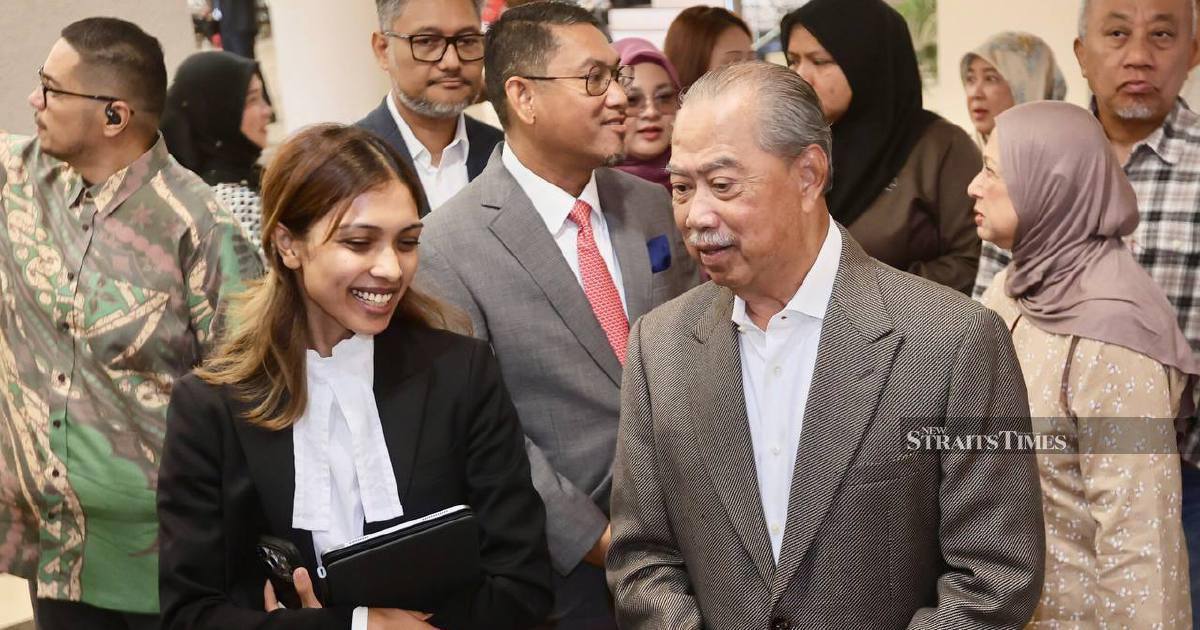
The High Court in Kuala Lumpur heard testimony today that contradicts allegations central to the Jana Wibawa trial involving former Prime Minister Tan Sri Muhyiddin Yassin. A witness appearing before the court stated unequivocally that Muhyiddin never approached him requesting contributions of any kind, either for his own benefit or to support the financial needs of his political party Bersatu.
This testimony forms part of the defence narrative in a case that has drawn significant public attention given Muhyiddin's prominence in Malaysian politics. The former premier led the country from 2020 to 2021 during a period marked by political turbulence and pandemic-related challenges. His subsequent legal proceedings have remained under intense scrutiny from political observers and the general public alike.
The Jana Wibawa trial revolves around allegations of financial impropriety, with the specifics involving the movement of substantial sums of money. Witnesses in such high-profile cases carry considerable weight in shaping the court's perception of events, particularly when their testimony addresses the direct conduct of the accused. The witness's assertion that no solicitation occurred represents a meaningful contribution to Muhyiddin's defence strategy.
For Malaysian readers following this development, the trial underscores broader questions about political financing and accountability within the country's party structures. Political parties in Malaysia operate within regulatory frameworks designed to monitor and control campaign funding, yet questions about how money flows through different channels remain an area of public concern and political debate. The Bersatu party, which Muhyiddin helped establish and led, has been at the centre of various political developments in recent years, from its initial formation through coalition negotiations with other political entities.
The defence strategy appearing to emerge from today's testimony emphasises the distinction between accepting donations—which various political figures might do—and actively soliciting them. This distinction carries legal implications, as the nature of a transaction and who initiated it can significantly affect how courts interpret events. If Muhyiddin passively received funds rather than requesting them, the legal characterisation of his conduct would differ substantially from scenarios where he actively sought contributions.
The trial's progression will likely reveal additional details about the sources of the funds in question and the mechanisms through which they were transferred. Such information becomes crucial context for Malaysian observers attempting to understand not just this individual case but the broader functioning of political fundraising mechanisms in the country. Transparency in party financing remains a recurring topic in Malaysian political discourse, with civil society organisations regularly calling for stricter disclosure requirements.
Muhyiddin's legal proceedings occur against a backdrop of Malaysian politics characterised by frequent coalition changes and shifting allegiances among political parties. Bersatu itself has navigated complex relationships with other coalitions, sometimes aligning with the ruling Barisan Nasional and at other times positioning itself differently. The financial health and operational capacity of such parties consequently matters not merely to their leadership but to the broader political ecosystem.
Court proceedings of this magnitude typically extend over considerable periods, with multiple witnesses presenting evidence that sometimes contradicts or complicates what other witnesses have said. Today's testimony represents one piece of a larger evidentiary puzzle that the court must ultimately assemble into a coherent narrative capable of supporting judgment. The judge hearing this case will need to weigh the credibility and consistency of all testimony against documentary evidence and other corroborating material.
For Bersatu's party membership and supporters, the trial's outcome carries implications for their political future and the party's standing within Malaysian politics. The health of any political organisation depends partly on public perception of its leadership's integrity and adherence to legal standards. High-profile corruption or financial impropriety charges, regardless of their outcome, can affect a party's electoral prospects and coalition opportunities in ways that extend well beyond the immediate legal determination.
The Malaysian legal system's handling of cases involving prominent political figures attracts international observation and commentary. Observers globally often view how democracies manage accountability for their political elite as indicative of the health of their institutions. The Jana Wibawa trial accordingly represents not merely a personal legal matter for Muhyiddin but a test of the Malaysian judicial system's capacity to conduct fair and transparent proceedings in politically sensitive circumstances.
The coming weeks and months will likely bring additional testimony and evidence as the trial progresses through the court system. Each court session adds layers of complexity to the narrative, with witnesses providing different perspectives on the financial transactions and personal interactions in question. The ultimate determination of the court will necessarily rest on careful evaluation of all evidence presented, applying relevant legal principles to determine whether the charges have been substantiated beyond reasonable doubt.

