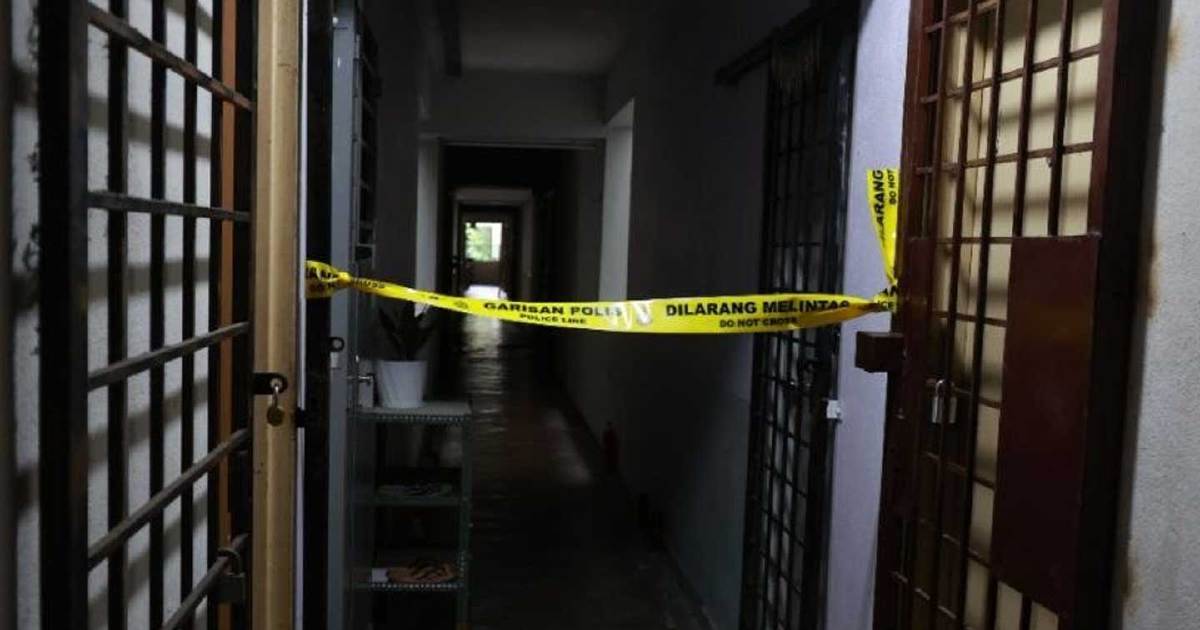
A startling discovery in a suburban Kajang home has prompted police to commence a full-scale murder investigation. The body of a woman was found concealed within a piece of luggage at a residence located in Taman Impian Indah, triggering an immediate response from law enforcement authorities who have since begun preliminary inquiries into the circumstances surrounding the death.
The discovery represents a significant crime incident within the Selangor jurisdiction, where the Kajang district continues to experience fluctuating crime rates. Initial police responses to residential discoveries of this nature typically involve securing the crime scene, conducting preliminary forensic examinations, and gathering statements from residents and neighbours who may have witnessed suspicious activity in the preceding days.
The conditions under which the body was found—deliberately concealed within luggage—suggest elements of premeditation and an apparent attempt to conceal evidence. Such circumstances typically elevate the classification of investigations and require involvement of specialized detective units equipped to handle homicide cases. Luggage concealment has historically been employed in cases involving domestic violence escalation, premeditated crime, or deliberate obfuscation of victim identity.
Neighbours and surrounding residents in Taman Impian Indah are likely to face increased police questioning as investigators work to establish a preliminary timeline of events. Community areas surrounding crime scenes of this nature often provide crucial witness accounts, security camera footage, and information about vehicle movements or unfamiliar persons visiting the residence during relevant timeframes.
The investigation's early stages will focus on identifying the deceased woman, determining her relationship to the property's occupants, and establishing circumstantial evidence regarding the sequence of events preceding discovery. Forensic pathologists will conduct a detailed autopsy to determine cause of death and assess time of death, both critical factors in narrowing investigative focus and identifying potential persons of interest.
Police inquiries of this magnitude typically expand to encompass multiple potential suspects, ranging from household members to known associates of the victim. Background checks, communication records, financial transactions, and movement patterns derived from telecommunications data frequently provide investigators with actionable leads during the crucial early investigation period.
For Malaysian readers, such incidents underscore the persistent reality of violent crime within residential communities, despite ongoing policing initiatives and neighbourhood watch programmes. While Malaysia's major urban centres generally maintain acceptable safety standards relative to regional comparisons, isolated incidents of domestic homicide and premeditated violence continue to occur within suburban residential areas.
The Kajang district's proximity to Kuala Lumpur and its status as a developing residential area means the community comprises a cross-section of Malaysian society. Residential crime investigations in such environments frequently reveal complex interpersonal dynamics, unresolved grievances, or escalating domestic tensions that ultimately culminate in tragic outcomes.
Police authorities have not yet released formal statements regarding suspect identification, though investigative protocols typically involve interviewing all individuals present at or regularly accessing the residence. The manner of body concealment suggests possible cooperation between multiple individuals or significant physical effort, variables that investigators will analyse during interrogation phases.
The discovery also highlights the importance of community awareness regarding suspicious activities in residential settings. Neighbours noticing unusual vehicle movements, unfamiliar visitors during atypical hours, or concerning sounds should report observations to local police to facilitate early intervention and potentially prevent escalation toward violent outcomes.
Ongoing forensic analysis and witness interviews will likely produce additional details regarding the victim's identity and the circumstances necessitating this investigation. Police have traditionally maintained operational secrecy during active murder investigations to preserve investigative integrity and prevent compromising potential prosecutorial outcomes through premature public disclosure.

