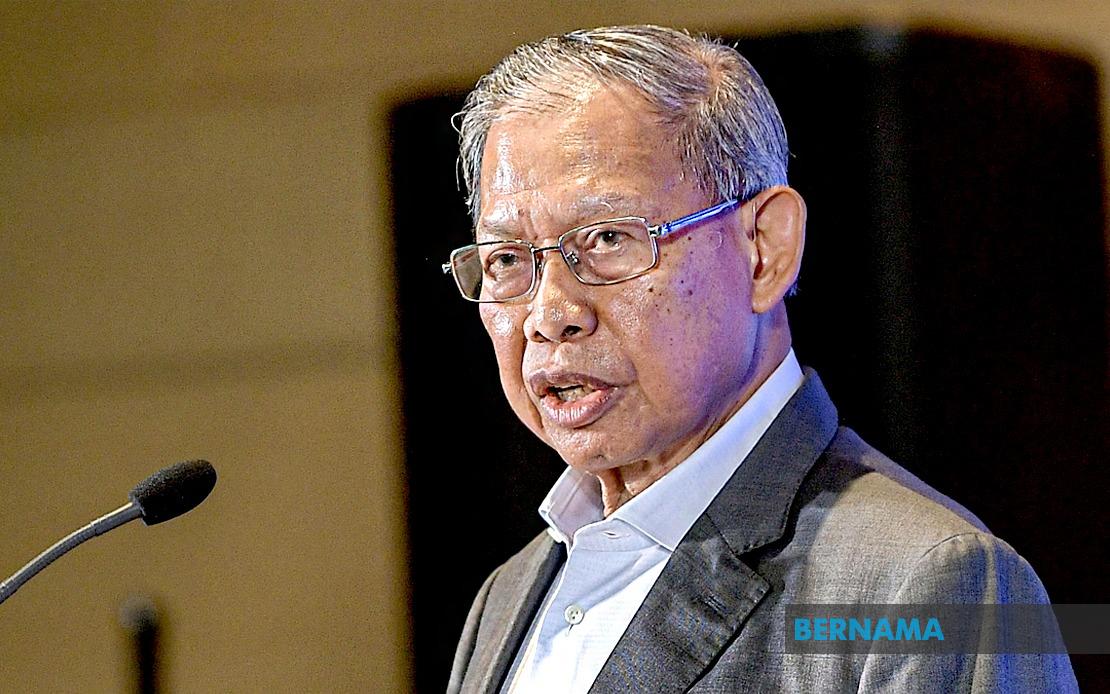
Datuk Seri Mustapa Mohamed has drawn a firm line under his electoral career, declaring that he will not seek candidacy in the 16th General Election and that the time has come for UMNO to hand leadership responsibilities to a new generation of politicians. Speaking at a celebratory event honouring his return to the party in Pasir Mas, the former Jeli Member of Parliament made clear his intention to exit frontline politics whilst remaining engaged with the party's broader mission and intellectual framework.
At 76 years old, Mustapa acknowledged the natural limitations of age and physical capacity that inform his decision to step back from electoral competition. He expressed conviction that parties have a moral obligation to recognise the inherent value and potential of younger cohorts, providing them with meaningful pathways to exercise leadership and influence policy direction. This framing positions his withdrawal not as reluctant retreat but as a principled commitment to democratic renewal and institutional succession planning—a distinction that carries weight in Malaysian political culture where elder statesmen are traditionally accorded continued influence regardless of age.
The distinction between electoral retirement and continued political engagement characterises Mustapa's vision for his future contributions to UMNO. Rather than disappearing from public life, he intends to function as a strategic resource and mentor, leveraging decades of high-level governmental experience to guide emerging politicians through complex policy challenges. His emphasis on offering "guidance, encouragement, and ideas" to younger colleagues suggests a behind-the-scenes advisory role that allows him to shape party direction and doctrine whilst ceding public-facing leadership positions to successors.
Mustapa's decision carries particular significance given his trajectory through Malaysian politics. His earlier departure from UMNO to join Bersatu in September 2018 coincided with the party's loss of federal power, and his subsequent return in June of this year marked a realignment with the party as it worked to consolidate its position within the broader ruling coalition. His withdrawal from electoral competition now, following this reaffiliation, suggests a careful calibration of personal political investment aligned with UMNO's strategic trajectory and generational transition imperatives.
The intellectual and academic dimension of Mustapa's proposed ongoing contribution warrants attention from observers tracking Malaysia's political evolution. His commitment to sharing expertise with students in both public and private higher education institutions positions universities as extensions of political knowledge transfer and ideological reproduction. This approach reflects a recognition that political influence operates across multiple registers—electoral, administrative, and ideational—and that sustained impact in Malaysian politics often requires simultaneous engagement with multiple spheres of social reproduction.
Mustapa's reaffirmation of commitment to UMNO's fundamental mission whilst stepping back from personal electoral ambition addresses a persistent challenge in Malaysian party politics: managing the transition from elder leaders to younger cohorts without rupturing institutional continuity or sacrificing accumulated strategic wisdom. His framing suggests that such transitions need not be zero-sum exercises where departing leaders completely withdraw, but rather structured arrangements where experience and fresh perspective are intentionally combined.
The timing of this declaration, following the Council of Former Kelantan Elected Representatives event, also situates Mustapa within a broader cohort of experienced politicians engaging in reflective assessment of their roles. The gathering itself—celebrating former representatives—implicitly raises questions about how political systems honour and utilise accumulated expertise, and whether Malaysia's institutional frameworks adequately capture and transmit the knowledge carried by retiring politicians.
For UMNO specifically, Mustapa's withdrawal opens space for younger candidates to establish electoral bases and develop their own constituencies and political brands. The party has faced recurring criticism regarding generational dynamics, with younger members sometimes chafing at the continued dominance of established figures in prime electoral positions. His decision to step aside could facilitate the emergence of candidates with fresher public appeal and distinct policy platforms that reflect contemporary voter concerns.
The broader Malaysian political context gives additional weight to Mustapa's statements about generational renewal. National politics has experienced significant turbulence over the past decade, with rapid coalition realignments and shifting voter preferences creating both opportunity and instability for traditional parties. In this environment, managed generational transitions that preserve institutional knowledge whilst enabling new voices to reach electoral audiences represent a rational strategic calculus for parties seeking to maintain relevance across demographic segments.
Mustapa's emphasis on Malaysia "regaining its excellence" frames generational transition not merely as procedural necessity but as integral to national renewal and competitive positioning in regional and global contexts. This rhetoric connects party-level succession planning to broader national imperatives, suggesting that the rejuvenation of political leadership serves interests beyond organisational maintenance to encompass national recovery and advancement.
His commitment to contributing through academic platforms also reflects recognition of the evolving knowledge economy in Southeast Asia, where intellectual capital and policy expertise command increasing premium in competitive political markets. By positioning himself as a resource for emerging scholars and policymakers, Mustapa seeks to maintain relevance and influence through channels that transcend electoral cycles and organisational boundaries.
The declaration further signals to UMNO's internal constituencies—particularly younger members—that the party's senior leadership recognises and respects generational aspirations and capabilities. In party environments often marked by hierarchical decision-making, such explicit endorsements of younger leaders' potential to assume greater responsibility carry symbolic importance beyond their literal meaning, potentially influencing internal dynamics and talent development trajectories.

