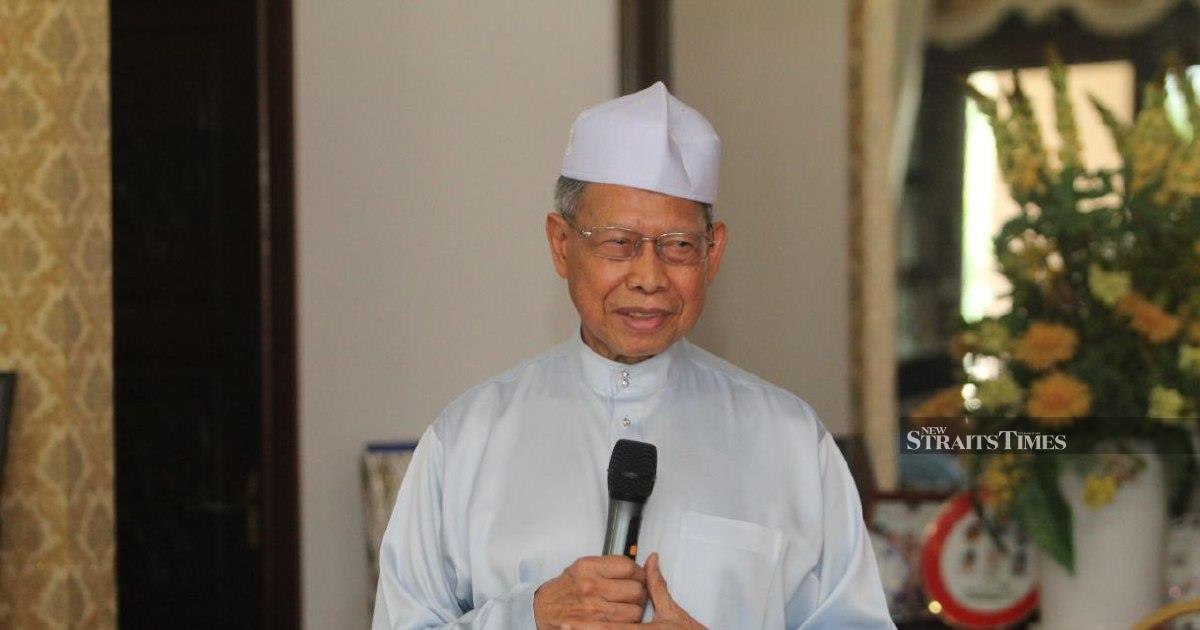
Datuk Seri Mustapa Mohamed has made clear that his recent decision to rejoin Umno does not signal a return to active electoral politics, declaring at an event in Pasir Mas that he will not be a candidate in the forthcoming general election. The former member of parliament for Jeli, who had stepped away from the party previously, explained his position candidly, pointing to his advancing age and the physical demands that contesting in a national election would require.
The 78-year-old politician's announcement carries significance within Umno's current realignment phase, as the party continues to rebuild its organisational structure and strategic positioning following considerable electoral challenges in recent years. Mustapa's return to the party fold had suggested possible involvement in upcoming political activities, making his explicit exclusion from electoral plans a notable clarification for both party insiders and observers tracking Umno's candidate selection process.
Mustapa's physical constraints represent a practical reality that many senior Malaysian politicians face as they approach and enter their late seventies and eighties. His candid acknowledgement of mobility difficulties reflects a broader pattern in Malaysian politics where elder statesmen gradually transition from direct electoral participation toward advisory and mentoring roles. This generational shift has implications for how Umno distributes its limited pool of experienced, recognisable candidates across the constituencies where they can make the most strategic impact.
The timing of his statement matters considerably, as speculation about candidate lineups typically intensifies in the period leading to the Prime Minister's announcement of a general election date. By publicly removing himself from contention, Mustapa eliminates uncertainty about his political intentions and allows party machinery to focus resources and attention on other potential candidates. This approach contrasts with instances where senior figures maintain ambiguity about their candidacy, creating internal party tensions and delaying organisational planning.
Mustapa's political journey reflects the complex terrain of Malaysian politics over the past decade. His earlier departure from Umno and subsequent reunion underscore the volatility and fluidity of party allegiances that have characterised this period. His decision now to remain outside the electoral arena while maintaining party membership suggests he may still contribute to Umno through other channels—whether through advisory capacities, constituency support, or behind-the-scenes influence within party structures.
For the Jeli constituency specifically, his decision opens the field for new candidates to emerge and capture the seat. This particular parliamentary division holds strategic importance in Kelantan state politics, and the choice of who represents Umno there will influence the party's efforts to either consolidate existing support or recapture ground lost to rival parties in recent electoral cycles. The constituency's electoral dynamics have shifted considerably in recent years, with changing voter demographics and evolving political preferences creating both challenges and opportunities for traditional power holders.
Umno's broader candidate selection strategy must now factor in the generational transition underway across its ranks. While senior figures like Mustapa step back from direct electoral competition, the party faces pressure to identify and promote capable younger candidates who can energise the party's base and appeal to voters frustrated with long-serving incumbents. The balance between retaining experienced hands in key constituencies and refreshing candidate lists with new blood remains delicate and contested within party circles.
Mustapa's position also reflects pragmatic political calculation. At his age and stage of career, the demands of parliamentary service—spanning campaign periods, parliamentary sessions, constituency work, and party obligations—would exact a significant physical toll. His explicit acknowledgement of these constraints demonstrates realism about what electoral politics at the national level demands, a quality not always evident among senior politicians eager to maintain their visibility and influence.
The announcement provides a window into how Malaysian political parties manage succession planning and roster updates during transition periods. Rather than allowing speculation or informal decisions to create uncertainty, Mustapa's direct statement allows Umno's leadership to proceed with clarity about resource allocation and candidate positioning. This transparency, while unglamorous, reflects lessons the party has absorbed from past episodes where unclear succession planning created factional disputes.
For Malaysian voters observing Umno's rebuilding efforts, Mustapa's choice carries subtle messages about the party's direction. His continued formal association with the party while declining electoral participation suggests he retains confidence in Umno's future, despite the significant ground the party has lost in recent years. Conversely, his unwillingness to stake his own political capital on a direct electoral contest—an option available given his experience and voter recognition—may signal realistic assessments about the political headwinds any Umno candidate would face in the current environment.
The broader context surrounding Umno's internal dynamics remains important for understanding how figures like Mustapa position themselves. The party's efforts to restore credibility following governance challenges and internal turmoil require veterans who can provide institutional continuity. By rejecting electoral candidacy while maintaining party membership, Mustapa may be positioning himself to play exactly such a role—providing elder counsel without the vulnerability associated with contesting elections in an increasingly competitive political landscape.
As Malaysia moves toward its next general election, the departure of recognisable senior figures from active electoral competition will likely reshape parliamentary composition and force realignment within established party hierarchies. Mustapa's decision is emblematic of this transition, reflecting both the realities of aging political careers and the imperative for parties to regenerate their candidate rosters to remain electorally competitive in an evolving political landscape.

