The Mutiara Line Light Rail Transit project in Penang has reached a significant juncture with the appointment of the Malaysian Resources Corporation Berhad and Theta Edge Berhad Joint Venture to deliver critical infrastructure systems under a RM3.028 billion contract. This development marks a watershed moment for Malaysia's urban rail expansion, particularly for Penang, which stands to benefit from improved mass transit connectivity as the project progresses through its construction phases.
Malaysia Rapid Transit Corporation Sdn Bhd, the asset owner and project manager, has structured the System Turnkey Contract to encompass seven major railway systems packages that form the operational backbone of the LRT network. The award enables parallel advancement of detailed design work and civil construction activities, a scheduling approach that mitigates the risk of misalignment between physical infrastructure and operational systems. This methodology has proven effective in comparable transit projects across the region, allowing contractors to refine technical specifications while site preparation and structural work continues uninterrupted.
The comprehensive systems scope includes electric train procurement and depot equipment, the signalling and train control infrastructure alongside automatic platform safety gates, trackwork installation with conductor rails and maintenance vehicle systems, and the power generation and distribution framework necessary for service operations. The contract further encompasses the railway SCADA system that monitors and controls network performance, a computerised maintenance management system critical for efficient operations, and the telecommunications and information technology infrastructure that supports staff coordination and passenger communications throughout the network.
Automatically collecting passenger fares remains an essential component of modern transit systems, enhancing operational efficiency whilst improving the user experience. The integration of this system into the broader technology framework ensures seamless payment processing and real-time capacity management. By bundling these seven packages under a single turnkey contract, MRT Corp has created a coordinated procurement structure that reduces interface risks and ensures compatibility across all major systems.
Civil construction continues advancing as planned, with the Civil Main Contract 1 covering the alignment from Silicon Island to Komtar demonstrating substantial physical progress. Currently, work has progressed across fourteen of the nineteen planned construction sections, with forty-five pile caps and thirty-two pier columns already completed. This tangible progress reflects the efficacy of the parallel design-and-build methodology, which allows construction teams to commence structural work whilst engineers finalise detailed designs. For Malaysian readers familiar with infrastructure development challenges, this streamlined approach represents a departure from traditional sequential construction models that often encounter delays and cost overruns.
Land acquisition, frequently a bottleneck in Malaysian infrastructure projects, has achieved ninety-three percent completion for the CMC1 package following coordination between the Federal Government, the Penang State Government, and relevant agencies. This substantial progress reflects institutional commitment to removing impediments to project advancement. The remaining land requirements will likely be secured within the coming months, ensuring construction can proceed without interruption. Such intergovernmental collaboration on land matters carries broader significance for Malaysian infrastructure development, demonstrating the effectiveness of coordinated federal and state government action in resolving rights-of-way challenges.
The second civil contract phase, designated as Civil Main Contract 2, encompasses the extension from Komtar to Penang Sentral and currently sits in tender evaluation stages. MRT Corp targets awarding this contract in November 2026, a timeline that will maintain momentum across the overall programme. This phased approach to major contracts allows the contractor executing the first phase to establish supply chains, mobilise equipment, and build local capacity before expanding into the second phase, reducing implementation risks and fostering continuity in project execution.
Bumiputera participation under the CMC1 package has exceeded twenty percent of total contract value, reflecting the project's commitment to developing local industry participation and building domestic capabilities in rail infrastructure delivery. This commitment carries significance for Malaysia's broader industrialisation agenda, as major infrastructure projects represent crucial platforms for technology transfer and capacity building. Local suppliers and contractors gain exposure to international standards and sophisticated project management methodologies, experiences that ripple through the domestic supply chain and enhance the competitiveness of Malaysian firms in regional and global markets.
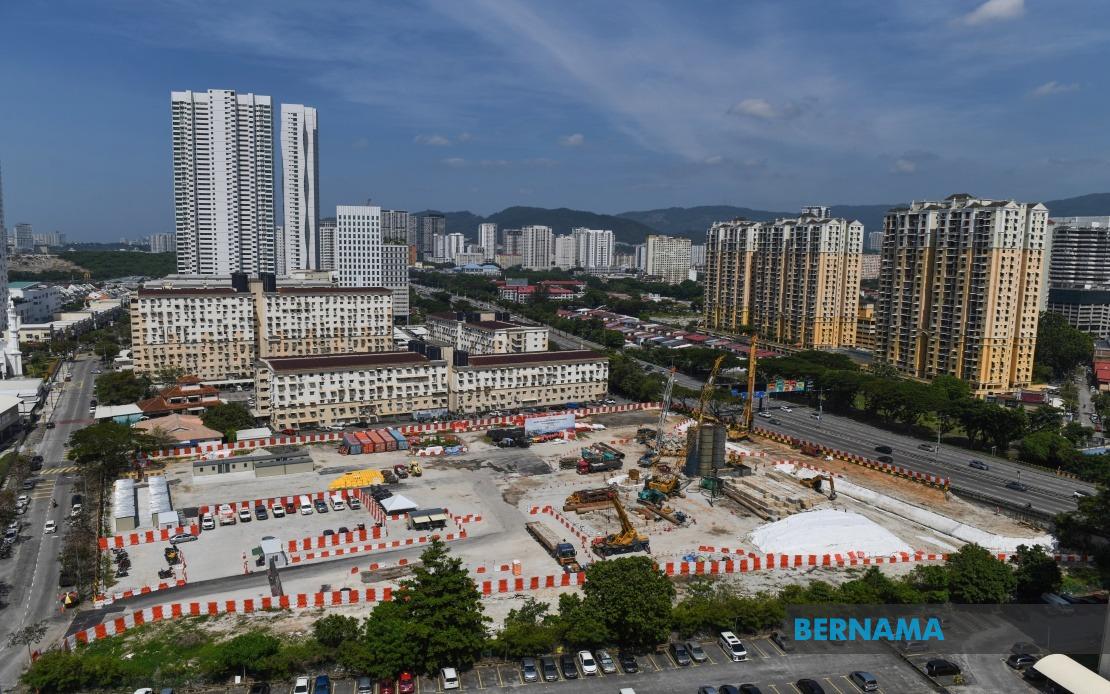
The depot facility at Silicon Island represents another critical milestone, with soil investigation works now underway to support future construction. The Tapak Pesta site was handed over by the Penang State Government in April 2026, following which MRT Corp completed demolition of existing structures and site preparation activities. The commencement of depot construction will accommodate train maintenance operations, staff facilities, and the technical infrastructure necessary for network operations and management. Depot development in regional transport hubs typically catalyses surrounding economic activity and employment generation, extending the project's socioeconomic benefits beyond direct transit users.
For Malaysian and Southeast Asian observers, the Mutiara Line represents an important demonstration of urban transit expansion in a mid-sized regional economy. Penang's positioning as a major manufacturing and technology hub necessitates efficient labour mobility and business-to-business connectivity, both of which advanced transit infrastructure facilitates. The project's evolution from planning through detailed execution offers valuable precedents for other Malaysian states and regional neighbours considering similar transit investments.
The phased contract structure, with major systems procurement following establishment of civil contracts and land acquisition, reflects mature project management discipline. This sequencing ensures that systems design can incorporate lessons learned during early construction phases and adapts to any site-specific conditions revealed during ongoing civil works. The RM3.028 billion systems investment, approximately thirty percent of typical LRT project costs, underscores the capital intensity of modern transit infrastructure and validates Malaysia's sustained commitment to urban transport modernisation despite the substantial fiscal requirements involved.

