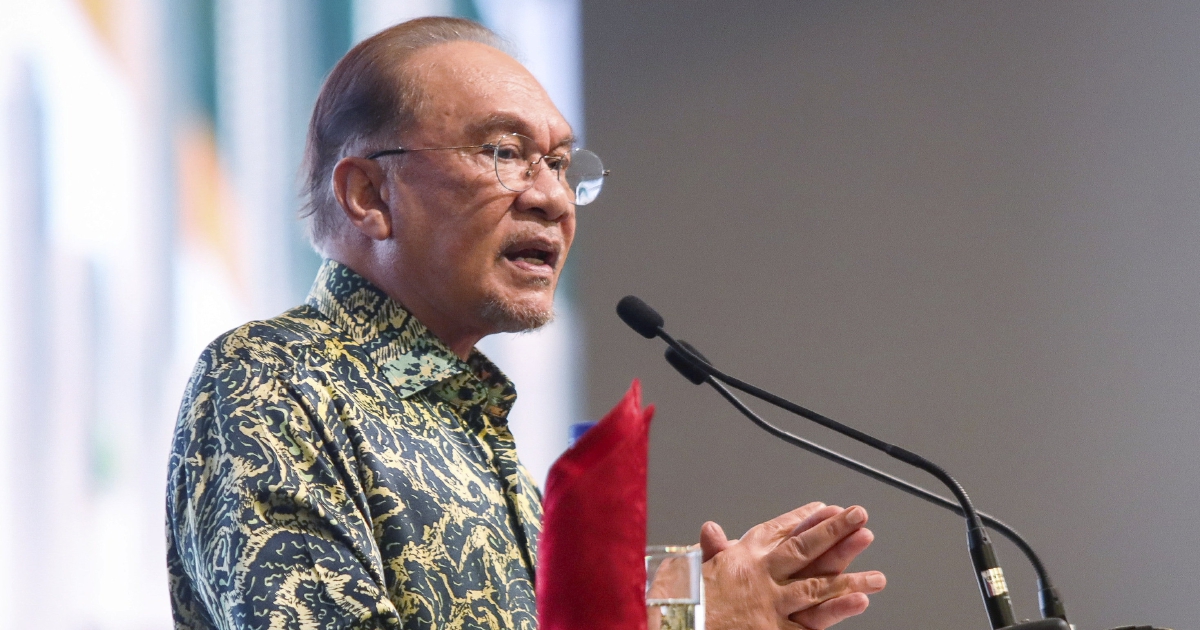
Myanmar has signalled its willingness to receive a first contingent of 5,000 Rohingya refugees from Malaysian territory, marking a significant diplomatic breakthrough in addressing one of Southeast Asia's most intractable humanitarian crises. Prime Minister Datuk Seri Anwar Ibrahim disclosed the arrangement following inter-governmental discussions, suggesting that both nations have found common ground on managing a population that has strained Malaysia's resources and tested regional stability for years.
The prospective repatriation represents a carefully calibrated response to the mounting pressure Malaysia faces in hosting one of the world's largest concentrations of Rohingya outside formal refugee camps. Malaysia, which is not a signatory to the United Nations Refugee Convention, has long struggled to accommodate the stateless population while managing its own social and economic priorities. The preliminary agreement targets just 5,000 individuals, underscoring the incremental nature of what will likely be a protracted process requiring sustained diplomatic coordination and international oversight.
During the negotiations, both administrations appear to have recognised mutual incentives for progress. Myanmar's consent to accepting repatriated nationals, even in limited numbers initially, signals a shift in posture following years of reluctance and international criticism over the 2017 military campaign that displaced roughly 700,000 Rohingya into neighbouring Bangladesh. For Malaysia, any reduction in refugee populations offers relief from administrative, social, and security burdens, though questions persist about whether returning individuals can do so safely and voluntarily.
The timing of this announcement carries broader implications for Southeast Asian migration diplomacy. The Association of Southeast Asian Nations has historically preferred regional solutions to displacement crises rather than escalating international intervention. This bilateral arrangement between Kuala Lumpur and Naypyidaw could serve as a template for other countries hosting Rohingya populations to pursue parallel negotiations, potentially easing pressure on Bangladesh, which shelters the largest concentration, and other host nations throughout the region.
However, the mechanics and safeguards surrounding the proposed repatriation remain largely unspecified. International humanitarian organisations have long emphasised that any return of Rohingya must be entirely voluntary, conducted with full informed consent from individuals and families, and coupled with genuine guarantees of safety, citizenship rights, and socioeconomic reintegration in Myanmar. The international community will scrutinise whether these foundational principles feature prominently in the bilateral framework being developed.
Myanmar's domestic political environment adds complexity to the undertaking. The country has experienced significant internal turbulence, including the February 2021 military coup and ongoing conflict in multiple regions. These instabilities raise legitimate concerns about the capacity and willingness of authorities in Naypyidaw to facilitate transparent, organised repatriation processes or to provide adequate assurances regarding the protection of returnees from persecution or marginalisation.
The humanitarian dimension cannot be underestimated either. Many Rohingya in Malaysia have spent years in limbo, lacking legal status, restricted employment opportunities, and vulnerable to trafficking and exploitation. Some have established fragile communities and social networks that would be disrupted by repatriation. Children born in Malaysia to Rohingya parents may lack clarity about their legal standing and rights in Myanmar. Any repatriation programme must account for these complexities and ensure that vulnerable subgroups, including unaccompanied minors, trauma survivors, and persons with disabilities, receive tailored support.
The preliminary nature of the arrangement—targeting 5,000 as an initial cohort—suggests awareness of these challenges. Authorities likely intend to use the first phase as a proof-of-concept, monitoring outcomes and refining procedures before scaling up operations. This gradualist approach offers opportunities to identify implementation gaps and adjust protocols, though it also extends the timeline for resolving the broader crisis.
Financial and logistical considerations will be crucial to successful implementation. Transporting, registering, and integrating thousands of individuals across international borders demands coordination between government agencies, funding mechanisms, and possibly international partners. Malaysia will need to allocate resources for verification, documentation, and the physical transport process, while Myanmar must prepare reception infrastructure and reintegration support in communities designated to receive returnees.
Regionally, the agreement may influence how other Southeast Asian nations approach their own Rohingya populations and set expectations for Myanmar's international rehabilitation. Successful, transparent repatriation could constitute a confidence-building measure in Myanmar's diplomatic relations, whereas botched or contentious processes could deepen scepticism about the country's commitment to human rights and regional stability.
The international community, including the United Nations and relevant humanitarian agencies, will monitor this initiative closely. Their involvement in verification, monitoring, and advocacy will likely determine whether the process meets established humanitarian standards and protects the dignity and rights of participating Rohingya families. Malaysia's willingness to proceed suggests optimism about progress, yet sustained commitment to principled implementation will be essential to transform this diplomatic breakthrough into a genuine humanitarian achievement that sets constructive precedents for regional crisis management.

