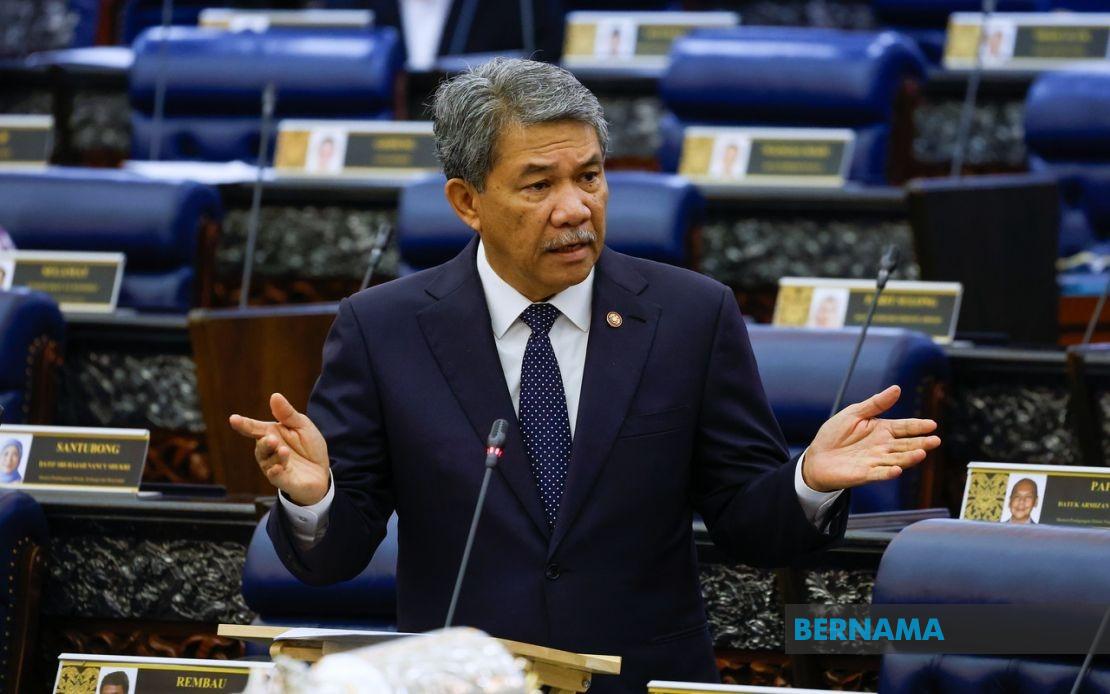
Malaysia's diplomatic engagement with Myanmar through a delegation visit in May should not be construed as official recognition of the country's military government, Foreign Minister Datuk Seri Mohamad Hasan said in parliament on June 25. The clarification comes as Malaysia navigates the delicate task of maintaining regional solidarity while adhering to its principled stance against the Myanmar junta, a position shared across ASEAN. Mohamad emphasized that the engagement forms part of a broader regional strategy to keep communication channels open with Naypyidaw, even as Malaysia steadfastly refuses to acknowledge the legitimacy of the post-election military administration.
The distinction between dialogue and recognition carries significant weight in Southeast Asian diplomacy. By meeting Myanmar Foreign Minister Tin Maung Swe at a hotel rather than at an official ministry venue, Mohamad demonstrated deliberate restraint in the optics of engagement. This staging choice underscores Malaysia's intention to signal informal communication rather than state-to-state normalization. During the encounter, Mohamad conveyed Malaysia and ASEAN's collective expectations for Myanmar, centring on democratic reform and adherence to regional consensus. The venue selection itself reflects how ASEAN member states manage the Myanmar crisis—maintaining practical dialogue while preserving symbolic distance from the junta.
The visit originated from a decision reached at the 48th ASEAN Summit, where regional foreign ministers were tasked with continuing informal engagement with Myanmar. This instruction reveals ASEAN's consensus that complete isolation of Myanmar would be counterproductive to its long-term rehabilitation. The regional grouping has invested considerable diplomatic capital in the Five-Point Consensus, a framework designed to guide Myanmar's transition away from military rule toward inclusive governance. For Malaysia, participating in this informal engagement mechanism represents fulfilling its collective ASEAN obligations while maintaining its individual non-recognition position—a balancing act that requires careful messaging and consistent reiteration.
Mohamad articulated a critical message during his meeting with Tin Maung Swe: that Myanmar, despite its rights as an ASEAN member state, cannot escape the corresponding obligations and responsibilities that membership entails. This framing reflects a fundamental principle of regional relations—that membership in ASEAN is conditional upon upholding shared norms and commitments. Myanmar's obligation to implement the Five-Point Consensus, which includes ceasing violence, establishing inclusive dialogue, and ensuring humanitarian access, remains non-negotiable regardless of which administration governs the country. By reinforcing this message directly, Malaysia signals that engagement does not equate to lowered expectations for reform.
The strategic rationale for maintaining open channels with Myanmar extends beyond diplomacy into regional security calculations. Mohamad explicitly warned that prolonged isolation of Myanmar could create a power vacuum that external actors might exploit for their own geopolitical interests. This concern reflects broader anxieties within ASEAN about great power competition in Southeast Asia, particularly regarding China and India's influence in Myanmar. Should ASEAN allow Myanmar to drift into isolation, the country's strategic position—straddling major regional powers and serving as a buffer between India and China—could be leveraged by external parties in ways detrimental to ASEAN unity and regional stability. Sustaining dialogue becomes a mechanism for preserving ASEAN's influence and preventing Myanmar from becoming a chess piece in external power struggles.
Malaysia's commitment to ongoing engagement with Myanmar stakeholders reflects the long-term nature of the crisis. Mohamad indicated that another round of meetings with Myanmar representatives would occur in early or mid-July, suggesting a structured diplomatic calendar aimed at incremental progress. These successive engagements serve multiple purposes: they provide opportunities to reiterate ASEAN's expectations, assess any movement toward compliance with the Five-Point Consensus, and explore potential pathways for conflict resolution. The regularity of these meetings also demonstrates to the international community that ASEAN is actively invested in Myanmar's future, countering perceptions that the region has abandoned responsibility for addressing the military coup's aftermath.
The humanitarian dimension of Malaysia's engagement agenda remains paramount. Alongside calls for ceasefire implementation and inclusive dialogue, Malaysia emphasizes the need for unimpeded humanitarian assistance to Myanmar's population. The country has faced severe displacement, food shortages, and healthcare collapse since the 2021 coup, with the situation exacerbated by ongoing armed conflict. Malaysia's insistence on humanitarian access reflects both moral imperatives and practical concerns—humanitarian crises can destabilize neighbouring regions and create refugee pressures that affect ASEAN members directly. By maintaining this emphasis throughout diplomatic channels, Malaysia reinforces that engagement with Myanmar's government cannot come at the expense of civilian welfare.
For Malaysian readers and broader Southeast Asian observers, the distinction between recognition and dialogue carries important implications. Malaysia's approach suggests that ASEAN will not formally legitimize the Myanmar junta, preserving the possibility of future consequences if the military refuses reform. Simultaneously, the regional bloc refuses to implement the kind of comprehensive isolation that characterized Cold War-era international responses to coups. This middle path reflects ASEAN's preference for constructive engagement over confrontation, rooted in the association's founding principles of non-interference and consensus-building. However, this approach's effectiveness hinges on Myanmar demonstrating tangible movement toward the Five-Point Consensus objectives—a threshold that has not yet been clearly met.
The timing and continuation of Malaysia's engagement efforts also reflect shifting international dynamics around Myanmar. As global attention to the crisis has diminished from peak media coverage in 2021-2022, ASEAN's sustained diplomatic effort becomes more crucial in preventing Myanmar from slipping entirely from the international agenda. Malaysia's role as a concerned ASEAN member with close historical ties to Myanmar positions it as a credible interlocutor. The country's willingness to host subsequent rounds of talks further demonstrates its commitment to being part of the solution rather than adding to regional fractures. This consistent engagement pattern, while unlikely to produce immediate breakthroughs, keeps diplomatic pressure on the junta to reconsider its current trajectory.

